We’ll start with the facts: lithium batteries pose fire and environmental risks if mishandled, so proper disposal is both a safety measure and a regulatory obligation. We identify battery type, follow local rules, and use certified programs. We’ll package and transport them correctly, document batch details, and choose licensed recyclers or take-back schemes. This approach protects people and the planet, but navigating permissions, labeling, and fees can be tricky—so we’ll guide you through the specifics step by step.
Key Takeaways
- Identify battery type and read labels to confirm chemistry, voltage, and form factor before disposal.
- Use licensed collection sites, municipal drop-offs, or manufacturer take-back programs for recycling.
- Package batteries safely: protect terminals, use nonconductive rigid containers, and label for transport.
- Follow local regulations on packaging, labeling, and transport; segregate damaged packs and notify authorities as needed.
- Document handling: maintain chain-of-custody, keep records of quantities, destinations, and end-of-life timelines.
Why Lithium Batteries Are Hazardous and Why Proper Disposal Matters
Lithium batteries pose serious risks because their chemistry can trigger fires, leaks, and toxic releases if damaged, misused, or improperly disposed of. We explain these hazards to help you understand why proper disposal matters. Our focus is on safeguarding people, property, and the environment through rigorous safety practices and regulatory adherence. Significant risks include thermal runaway, short circuits, and electrolyte exposure, which can occur during transport, storage, or disposal if packaging, handling, or containment isn’t correct. Compliance requires clear safety protocols, trained personnel, and documented procedures. Emphasizing safety compliance, we outline how to reduce incident likelihood and ensure accurate recordkeeping. Legal labeling and proper disposal pathways help prevent misrouting and ensure responsible end-of-life management of these batteries.
How to Identify Lithium Battery Types and Read Labels
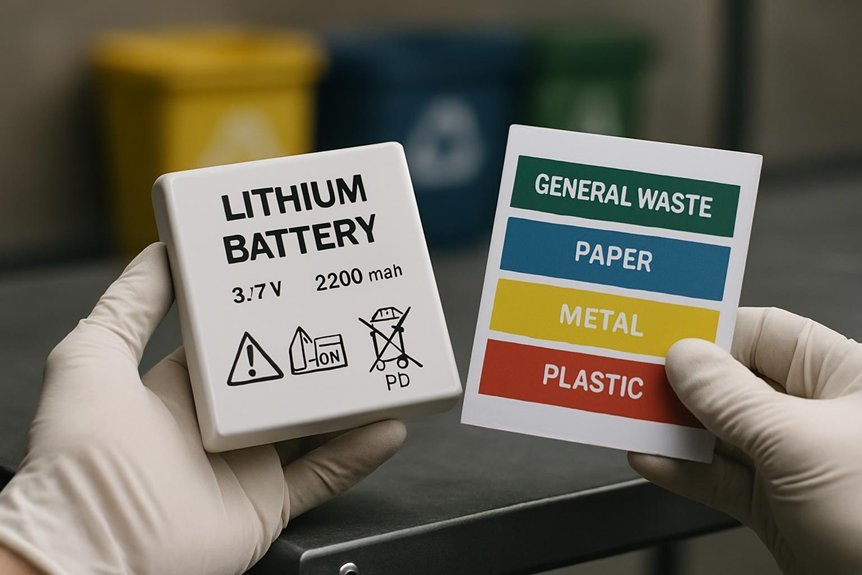
We will identify battery types and read labels to determine proper handling. We read label details for chemistry, voltage, and date codes to ensure safe disposal and compliance. We will apply this information consistently to guide correct segregation and storage.
Identify Battery Types
How can you quickly confirm the battery type and read its labels to ensure proper handling? We identify battery components by inspecting case markings, model numbers, and terminal design, then cross-check with manufacturer data sheets. We classify by battery chemistry, noting lithium-ion, lithium-mith iodide, lithium polymer, and other chemistries, which informs handling, storage, and transport requirements. We verify voltage, capacity, and form factor as part of type confirmation, not as a substitute for official labeling. We avoid assumptions based on appearance alone. We document the exact type in our records and compare it to applicable regulatory guidance. Correctly identifying the battery type reduces misclassification risks and ensures compliant disposal pathways, safe packaging, and appropriate reuse or recycling options. Always follow site-specific policies and regulatory standards for identification procedures.
Read Label Details
To read label details accurately, we first locate the battery’s minimum data set: chemistry, voltage, capacity, and form factor, then verify these figures against the manufacturer’s labeling and official data sheets. We then cross-check inconsistencies, such as ambiguous symbols or nonstandard abbreviations, against regulatory databases and safety guidelines. Precision matters: confirm chemistries like Li-ion, Li-metal, or Li-iron phosphate, and note voltage class, watt-hour rating, and form factor. Document lot numbers and expiration or recommended end-of-life timelines. Consider spark considerations when handling damaged or swollen cells, and segregate incompatible chemistries accordingly. We caution against DIY missteps: avoid mixing labels from different batteries, avoid tampering, and adhere to proper disposal protocols to ensure compliance and environmental protection.
Local Laws and Certified Recycling Options for Lithium Batteries
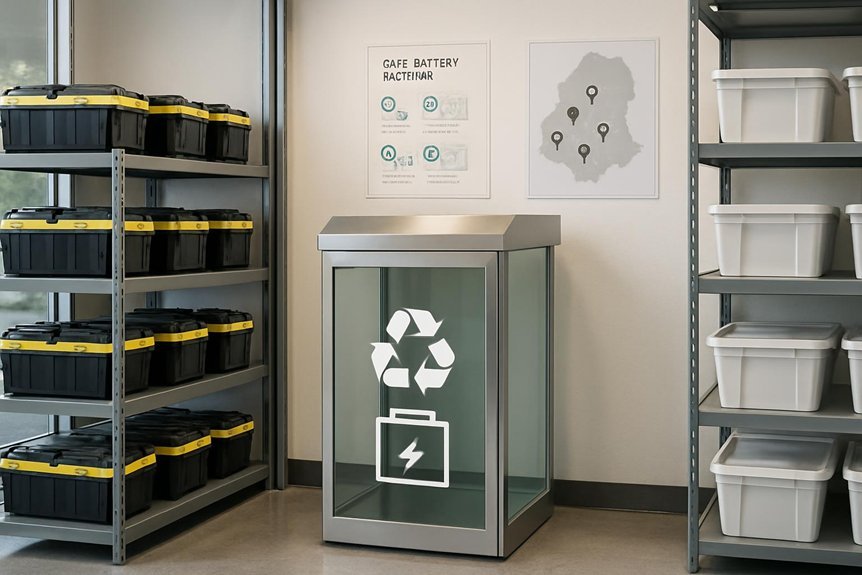
We’ll outline local regulations and what they require for disposal and handling of lithium batteries. We’ll highlight certified recycler options and how to verify credentials, so you can meet program rules and safety standards. We’ll share practical compliance tips to reduce risk and ensure lawful, responsible disposal.
Local Regulations Overview
Where can you confidently dispose of lithium batteries? We outline the applicable local regulations and certified options that govern disposal. We, as authors, present a precise view of requirements, prohibitions, and approved pathways, so you can avoid noncompliance and penalties. Local ordinances may specify packaging, labeling, and transport rules, while specific facilities hold permits for universal or hazardous waste handling. We emphasize that compliance isn’t optional; it’s the baseline for legal disposal. Note that unrelated topic, random idea distractions do not replace mandated steps. Always verify with municipal websites or regional environmental agencies before act.
- Use licensed collection sites or municipal drop-offs aligned with your jurisdiction.
- Transport batteries with terminals protected, terminals taped, and containers clearly labeled.
- Follow manufacturer or retailer take-back programs where available.
Certified Recycler Options
| Option | Requirement | Benefit |
|---|---|---|
| Local municipal program | Proof of residence | Convenient, low risk |
| Manufacturer take-back | Original device compatibility | Maximized material recovery |
| Scrap processor | Certified facility, proper labeling | Strict waste handling |
If you’re unsure, consult official registries; prioritize certified recyclers to ensure lawful, safe disposal.
Compliance and Safety Tips
Do you know which local laws govern lithium battery disposal and which certified options you can rely on? We outline clear compliance steps and safety controls you must follow. Local regulations specify packaging, labeling, and transport requirements, while certified recyclers meet handling, data-pruning, and material recovery standards. We emphasize verified options to avoid penalties and ensure public safety. Our guidance avoids unrelated topics and keeps focus on lawful conduct, risk reduction, and traceability. Remember to verify certifications, understand permitted storage durations, and follow incident reporting procedures if a battery is damaged.
- Use only certified recyclers with proper licenses and transport documentation
- Adhere to packaging, labeling, and emergency response rules
- Confirm program eligibility, fees, and return pathways with the provider
Safe Packaging and Prep Steps for Lithium Batteries Prior to Recycling
To ensure safe transport for recycling, we must properly package and prep lithium batteries before drop-off or shipment. We outline compliant steps: disconnect, terminate, and protect terminals; use nonconductive, rigid packaging; enclose batteries in leak-proof, labelled containers; prevent short circuits with tape over terminals; follow carrier and regulator guidance for quantity limits and palletization. Pack loose cells separately from packed devices; cushion with rigid dividers; include documentation on battery chemistry and charge state. Training emphasizes risk awareness, consistent labeling, and incident reporting. Lessons from edible batteries and fictional battery chemistry inform risk assessment without overreaching claims. Table below visualizes packaging choices and outcomes, reinforcing regulatory alignment and emotional reassurance for handlers.
| Packaging Option | Expected Safety Outcome |
|---|---|
| Individual sealed bags | Minimized short-circuit risk |
| Rigid outer carton with dividers | Structural protection |
| Terminal tape and labeling | Clear handling instructions |
| Documentation pouch | Traceability and compliance |
Handling Damaged, Recalled, or End-Of-Life Lithium Cells
Damaged, recalled, or end-of-life lithium cells require heightened controls beyond standard packaging. We, as stewards of safe disposal, follow strict procedures to minimize risk, handle them promptly, and document the process for compliance. Any signs of leakage, swelling, or overheating trigger immediate isolation and state-appropriate reporting. We avoid mixed loads and ensure correct labeling, storage, and transport provisions align with regulatory guidance. Our approach combines prudence with procedural clarity, so readers can act confidently without ambiguity.
- Segregate damaged packs from intact units to prevent cross-contamination
- Use approved containment, notify authorities, and arrange authorized transport promptly
- Maintain accurate records of condition, origin, and disposition for audit readiness
This framework keeps disposal lawful, predictable, and, yes, occasionally lighthearted with battery humor and fashion accessories references to aid recall.
How to Choose a Certified Lithium Battery Recycling Facility or Mail-In Program
Choosing a certified lithium battery recycling facility or mail-in program requires clear criteria and verifiable credentials. We present a concise framework to guide selection and ensure compliance, while avoiding non recycling discussion and unnecessary digressions. First, verify that the facility holds current, enforceable certifications (e.g., appropriate R2/ISO 14001 or equivalent). Confirm written material handling procedures, transport licenses, and state-mited registration. Demand documented safe, compliant chain-of-custody for all battery types you possess. Assess alternatives for mail-in programs with clear packaging, labeling, and return-to-sender provisions. Ensure explicit policies on dangerous chemical handling, spill response, and emergency contacts. Require transparent pricing, including any fees for inspection, testing, or sorting. Finally, request a written service-level agreement detailing timelines, data privacy, and waste destination assurances.
What to Expect at Disposal Facilities and Typical Fees
What should you expect when you drop off lithium batteries at a disposal facility, and what are the typical fees you’ll encounter? We outline disposal facility expectations and standard fee structures to prevent delays. Our goal is precise, compliant guidance that mirrors regulatory language while remaining clear for readers.
- Verification of battery type and condition by staff
- Documentation of quantities, packaging, and transfer paperwork
- Clear labeling, secure containment, and adherence to safety protocols
Typical fee structures include per-item charges for batteries, per-pound weights, and handling surcharges for damaged or nonconforming packs. Some facilities also assess fuel surcharges or environmental compliance fees. We recommend confirming accepted battery chemistries, packaging rules, and whether a pre-sorted drop-off saves time. By understanding these expectations, you’ll minimize wait times and ensure compliant, lawful disposal.
Building a Safe, Compliant Lithium Battery Waste Plan for Home and Work
How can we establish a safe, compliant lithium battery waste plan that works at home and at work? We can design a plan anchored in policy, risk controls, and clear responsibilities, then train staff and household members. Our approach emphasizes segregation, labeling, and documented disposal points, plus a routine audit to close gaps. We confront battery controversy with evidence: only certified handlers may process large quantities; small devices belong with household waste where allowed. We dispel recycling myths by using verified programs and tracking metrics. The table reinforces expectations and accountability:
| Responsibility | Action |
|---|---|
| Household/Work Lead | Confirm approved hauler |
| All Users | Segregate batteries, tag with date |
| Compliance Officer | Maintain records, review annually |
Frequently Asked Questions
Can I Recycle Mixed Battery Brands at Once?
Yes, we advise against mixing brands; mixed branding can create incompatible recycling streams. We’ll separate by brand and chemistry to ensure compliant handling, since incompatible recycling risks contamination, regulatory violations, and unsafe processing.
Are There Penalties for Improper Lithium Battery Disposal?
Yes, there are penalties for improper disposal. We urge penalty awareness and legal compliance, because violations can trigger fines, liability, and disposal bans. We’ll stay vigilant, inform you of requirements, and correct any noncompliant practices promptly.
How Long Are Recycling Records Kept by Facilities?
We retain records for a significant period, like a steady lighthouse—records retention guides facility compliance. We keep details as long as required by law, ensuring facility compliance and accessible audits; we’ll notify you if retention changes.
Do Schools Require Special Disposal Procedures for Labs?
We do require school protocols for labs, ensuring strict lab safety; we follow established regulations, and we’ll outline procedures to handle lithium batteries properly, including containment, labeling, and disposal steps aligned with school protocols and safety standards.
Can I Recycle Damaged Batteries via Mail-In Programs?
Yes, you can, but we’ll walk you through careful, compliant steps: we’ll handle recycling logistics rigorously, guarantee regulatory compliance, and verify mail-in program terms, packaging, and safety, while we promptly provide precise guidance for damaged batteries.
Conclusion
We’re committed to safe, legal handling of lithium batteries, and you should be too. Each year, improper disposal creates fire and environmental risks that could be avoided with certified recycling and proper packaging. Consider this: up to 95% of lithium-ion batteries can be recovered for reuse or recycling when processed correctly. By identifying chemistry, following local regulations, and using licensed collection points, we protect people, property, and the planet—together, we meet the demand for responsible stewardship.