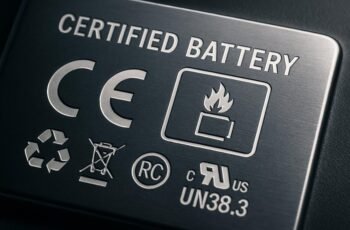
We can recycle lithium batteries, but the process is nuanced and data-driven. We’ll look at how inputs, processes, and outputs shape the loop, from take-back programs to recovered metals like cobalt, nickel, lithium, manganese, aluminum, and copper. Safety, economics, and environmental factors matter, and recovery rates vary by chemistry and feedstock, typically between 70% and 95% in modern systems. For now, the path forward isn’t simple, yet clear—we’ll map the options and stay realistic about what’s next.
Key Takeaways
- Yes, lithium batteries can be recycled, creating a loop that reduces material risk, price volatility, and environmental impact across the full lifecycle.
- Recovered materials typically include cobalt, nickel, lithium, manganese, with aluminum and copper separated for reuse.
- Recycling methods mix pyro, hydrometallurgy, and hybrids to optimize yield, energy use, and waste across battery chemistries.
- Safety, environmental, and economic factors drive practices: training, emissions control, and cost-per-kilogram recycled with revenue from metals.
- Take-back options exist locally or by mail, with clear prep steps, turnaround, and data-backed expectations for benefits.
The Big Picture: How Lithium Battery Recycling Fits Our Supply Chain
The big picture is simple: lithium battery recycling is a critical link in the supply chain that turns used cells into a reusable loop, reducing both material risk and price volatility. We view this through a practical, systems-driven lens, tracing inputs, processes, and outputs to minimize waste and optimize value. When we talk about lithium supply, we mean not just new mining, but the full lifecycle that keeps metals circulating. Recycling economics informs decision-making: where to invest, how to price end-of-life streams, and what quality of feedstock stakeholders require. We emphasize data-driven metrics, risk-adjusted returns, and scalable infrastructure. By aligning incentives across manufacturers, recyclers, and policymakers, we strengthen resilience and drive continuous improvement in the circular economy.
Materials Recovered and Recovery Rates
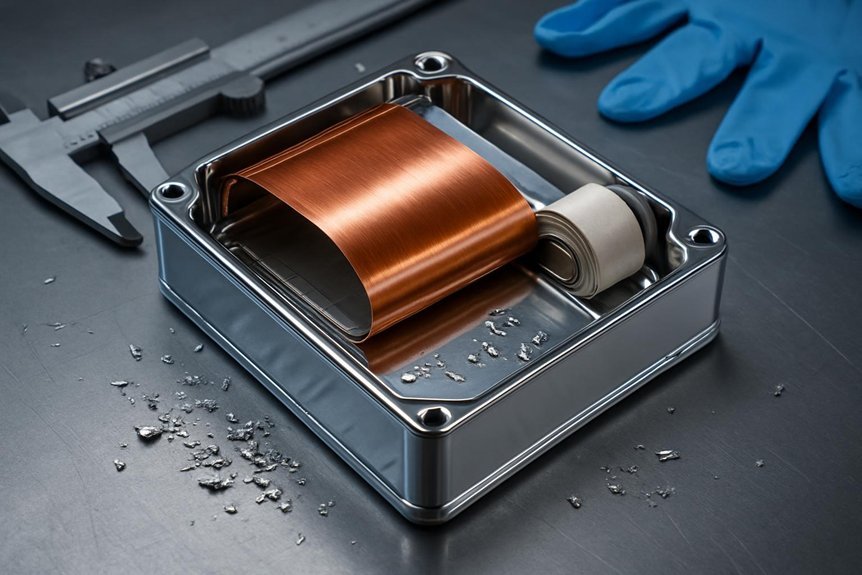
How much material can we actually recover from lithium batteries, and at what rate? We approach this with a pragmatic lens: quantify what’s recoverable, track it over time, and identify bottlenecks. Across chemistries, typical recoveries span metals like cobalt, nickel, lithium, and manganese, with aluminum and copper once separated. In practice, recovery rates vary by feedstock quality, processing steps, and end-use demand, but modern methods achieve meaningful yields, often 70–95% for critical metals when integrated into a closed loop. Material purity after separation drives reuse value and downstream performance, yet purity can dip if contaminants like graphite or electrolytes remain. We must continually monitor input mix, process control, and purification steps to sustain high recovery rates and consistent material purity, enabling scalable, circular supply chains.
Recycling Methods Explained: Pyro, Hydrometallurgy, and Hybrid Approaches
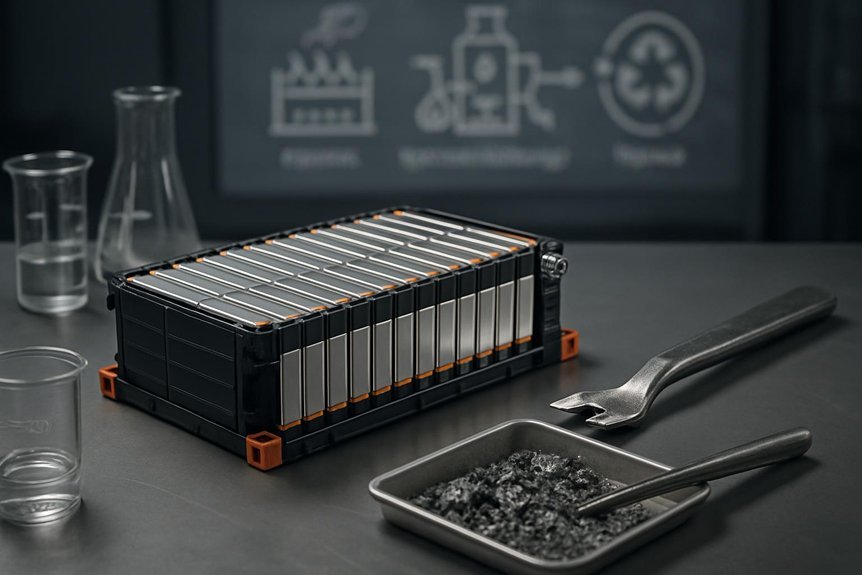
We’ve looked at what we can recover and at the rates we can expect; now we need to explain how that recovery happens.
We’ll outline the three core approaches, plus practical hybrids, with a focus on recycling economics and environmental justice.
- Pyro processing: controlled burning to liberate metals, then chemical refinement.
- Hydrometallurgy: leaching with acids or bases, solvent separation, metal extraction.
- Hybrid methods: combine steps to improve yield, reduce energy, and lower waste.
- Process selection: depends on battery chemistry, scale, and downstream markets.
- Data-driven planning: life-cycle costs, energy use, and emissions guide choices.
We stay grounded in systems thinking to optimize outcomes for people and supply chains.
Safety, Environment, and Economics of Recycling
Considering safety, environmental integrity, and economic viability is essential as we scale lithium recycling: we must prevent worker injuries, minimize emissions and waste, and guarantee operations are financially sustainable in the long run. Our approach links process design to measurable risk controls, incident reporting, and continuous improvement. Safety incentives should reward near-miss reporting, rigorous training, and adherence to lockout-tagout and exposure limits. Environmentally, we assess lifecycle impacts, reduce tailings, and quantify environmental externalities to inform policy and investment. Economically, we model cost per recycled kilogram, capture revenue from metals, and align capital with throughput goals. A data-driven, systems view helps identify bottlenecks, optimize sorting, and validate performance. Together, we balance safety, environmental stewardship, and profitability to advance responsible recycling.
How to Recycle Your Battery Today: Take-Backs, Programs, and Next Steps
There are clear, practical steps you can take today to recycle your lithium battery, from simple take-back options to program-specific details that fit your location and device. We approach this with data-driven clarity, mapping take backs, programs, and next steps to reduce risk and maximize material recovery. Our guidance emphasizes accessible paths, verified recycling streams, and documented outcomes so you can choose confidently.
- Take backs you can visit locally for drop-off or mail-back options
- Programs that match your battery type and device
- Clear next steps to prepare and transport safely
- Guidance on cost, turnaround, and trusted recyclers
- Data-backed expectations for environmental and financial benefits
Frequently Asked Questions
How Does Recycled Lithium Affect Battery Performance in New Products?
We’ve found that recycled lithium can maintain solid battery performance, though variability exists; we rigorously assess feedstock quality, chemistry, and aging. By integrating recycled lithium into supply, we monitor performance metrics and adjust formulations to sustain reliability.
What Is the True Cost Comparison: Recycling vs. Mining?
We see that recycling economics generally beat mining costs in long-term, but variability exists; we justify policy and scaling with data. We compare recycling economics to mining costs, seeking systemic, practical reductions and reliable, transparent cost modeling.
Are There Environmental Risks From Recycled Lithium Processing?
Yes. We see environmental risks from recycled lithium processing, and we prioritize worker safety; our data-driven, practical approach emphasizes system-wide safeguards, improved controls, and continuous monitoring to minimize emissions, exposures, and long-term ecological impacts for everyone involved.
How Do Different Battery Chemistries Impact Recycleability?
Back in 1990s slang, we understand that lithium chemistry strongly affects Recycleability effects; some chemistries are easier to process than others. We systematically compare inputs, efficiencies, and losses to guide practical, data-driven decisions for readers.
Will Regulations Change Recycling Incentives for Consumers?
We expect regulatory incentives to shift, boosting consumer participation as policymakers link rebates and traceability to recycling outcomes. We’ll monitor data, adapt programs, and collaborate, ensuring regulatory incentives drive practical, systemic improvements in consumer participation and overall recycling rates.
Conclusion
We’ve seen how lithium battery recycling fits into the bigger supply chain, turning used cells into valuable materials with strong recovery rates. By combining pyro, hydrometallurgy, or hybrids, we cut risk, costs, and environmental impact. The data shows 70–95% recovery when systems are properly designed and operated. So, what’s next for you? Use take-back programs and support responsible recyclers to close the loop and safeguard supply, prices, and the planet—practical, systemic action starts today.