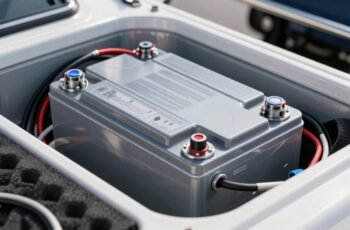
Ensuring safety when handling lithium batteries in golf carts is vital to prevent accidents and prolong battery life. We recognize the risks involved and emphasize the importance of proper procedures, from installation to maintenance. Small oversights can lead to serious issues, so it’s essential to follow recommended guidelines carefully. Staying informed about these safety measures can make all the difference, and there are specific practices that can greatly reduce hazards that we need to take into account…
Key Takeaways
- Always handle lithium batteries with proper PPE and inspect for physical damage before use or maintenance.
- Use manufacturer-approved chargers and avoid overcharging or deep discharging to prevent internal damage.
- Regularly check for corrosion, swelling, leaks, or unusual odors indicating potential battery failure.
- Store batteries in a cool, ventilated area and secure during transportation to prevent damage or short circuits.
- In case of overheating, swelling, or leaks, disconnect immediately and follow emergency fire safety protocols.
Understanding Lithium Battery Safety Risks for Golf Carts
Although lithium batteries offer significant advantages for golf carts, they also pose specific safety risks that must be carefully understood. Lithium-ion cells are highly sensitive to thermal instability, which can lead to overheating, thermal runaway, or fires if damaged or improperly managed. Short circuits, caused by manufacturing defects or physical damage, can rapidly escalate, resulting in heat buildup and potential failure. Overcharging or deep discharging can compromise the battery’s internal structure, increasing the risk of internal shorts or leaks. Additionally, improper handling or exposure to extreme temperatures may degrade battery integrity, heightening safety concerns. Recognizing these risks is essential for implementing proper safety protocols. A thorough understanding guarantees we can mitigate hazards and maintain safe operation of lithium-powered golf carts.
How to Properly Handle and Install Lithium Batteries in Your Golf Cart?
To guarantee safe handling and installation of lithium batteries in your golf cart, it’s essential to follow strict procedures that prevent damage and minimize risks. Begin by wearing appropriate personal protective equipment, including gloves and eye protection, to avoid contact with hazardous materials. Carefully inspect batteries for physical damage before installation, ensuring terminals are clean and free of debris. Use only manufacturer-approved tools and connectors, and follow specified torque settings to prevent over-tightening. When installing, avoid dropping or puncturing batteries, and ensure proper ventilation to dissipate any heat generated. Secure batteries firmly in designated compartments, verifying correct polarity alignment. Ultimately, double-check all connections before powering on, and adhere strictly to manufacturer guidelines throughout the handling and installation process to ensure safety and top performance.
Best Practices for Charging and Discharging Lithium Golf Cart Batteries
Properly charging and discharging lithium golf cart batteries is essential for ensuring safety and maximizing battery lifespan. Incorrect practices can lead to overheating, capacity loss, or safety hazards. To maintain peak performance, follow these best practices:
- Use a compatible, temperature-sensitive charger designed specifically for lithium batteries.
- Avoid overcharging; disconnect the charger once the battery reaches full capacity.
- Do not deplete the battery below the manufacturer’s recommended depth of discharge.
- Monitor charging sessions to prevent prolonged exposure to high temperatures, which can degrade battery health.
Recognizing Signs of Battery Damage or Malfunction
Detecting early signs of battery damage or malfunction is critical for preventing safety hazards and prolonging the lifespan of lithium golf cart batteries. Visible swelling, corrosion around terminals, or leaks indicate internal damage and require immediate attention. Unusual heating during charging or operation suggests internal short circuits or degraded components, increasing fire risk. A sudden decrease in performance, like reduced range or inconsistent power delivery, can signal internal cell failure. Additionally, persistent foul odors or abnormal hissing sounds point to compromised internal chemistry or gas buildup. Regular visual inspections and monitoring voltage and temperature fluctuations are essential. Recognizing these signs early allows us to take prompt action, preventing potential safety incidents and ensuring ideal battery longevity.
Safe Storage and Transportation of Lithium Golf Cart Batteries
Ensuring safe storage and transportation of lithium golf cart batteries requires careful attention to proper packaging materials, such as non-conductive, flame-retardant containers. We must also implement secure transportation methods that prevent movement and damage, minimizing risk during transit. Additionally, maintaining a safe storage environment involves controlling temperature, humidity, and avoiding exposure to sources of ignition or extreme conditions.
Proper Packaging Materials
Choosing the right packaging materials is critical for the safe storage and transportation of lithium golf cart batteries. Proper packaging minimizes risks associated with leaks, short circuits, and thermal events.
To guarantee safety, consider these materials:
- Non-conductive containers — Prevent electrical shorts during transit.
- Shock-absorbing padding — Protect batteries from mechanical damage.
- Fire-resistant wrapping — Contain potential thermal incidents.
- Sealed, corrosion-resistant enclosures — Guard against moisture and environmental exposure.
Each component should meet industry safety standards and be compatible with lithium-ion chemistry. Using appropriate packaging reduces the likelihood of accidents, ensuring safe handling and transportation. Always verify materials are certified, and avoid using generic or untested containers that could compromise safety.
Secure Transportation Methods
Properly securing lithium golf cart batteries during transportation is essential to prevent accidents and guarantee safety. We recommend using robust, flame-resistant containers designed specifically for lithium batteries, ensuring they are immobilized to minimize movement. Battery terminals should be protected with non-conductive caps to prevent short circuits. Additionally, batteries should be transported in upright positions, avoiding stacking or tilting, which could damage internal components. Securing batteries with appropriate straps or brackets prevents shifting during transit. It’s crucial to avoid exposure to extreme temperatures and direct sunlight, as these conditions can increase the risk of thermal runaway. Transporting lithium batteries with proper safety measures reduces the risk of leaks, fires, and electrical hazards, safeguarding personnel and equipment throughout the process.
Safe Storage Environment
To minimize risks associated with lithium golf cart batteries, we must establish a controlled and secure storage environment. Proper storage reduces the likelihood of thermal incidents, leaks, or damage. Key measures include:
- Store batteries in a well-ventilated, temperature-controlled space, ideally between 20°C and 25°C.
- Keep batteries upright to prevent electrolyte leaks, especially during long-term storage.
- Isolate batteries from flammable materials and sources of heat or sparks.
- Regularly inspect batteries for signs of swelling, corrosion, or damage, and ensure terminals are secure.
Adhering to these protocols ensures safety during storage and transportation, preventing potential hazards and preserving battery integrity. Vigilance and proper environment control are essential for safe handling of lithium golf cart batteries.
Essential Personal Protective Equipment When Servicing Batteries
When servicing lithium golf cart batteries, wearing proper personal protective equipment is essential to minimize risks. We must use protective gloves and safety goggles to prevent chemical exposure and eye injuries. Additionally, avoiding loose clothing helps prevent accidental contact with electrical components or hazardous materials.
Wear Protective Gloves
Wearing protective gloves is a essential step whenever servicing lithium batteries, as it minimizes the risk of chemical exposure and electrical injury. Proper gloves act as a barrier against corrosive electrolytes and prevent skin contact with hazardous materials. When selecting gloves, consider the following:
- Use chemical-resistant gloves made from materials like neoprene or nitrile.
- Guarantee gloves are thick enough to provide electrical insulation.
- Inspect gloves for tears or punctures before use.
- Replace gloves immediately if they are compromised or contaminated.
Use Safety Goggles
Since servicing lithium batteries can release hazardous splashes or debris, it’s essential that we always wear safety goggles. Lithium battery acids or electrolyte splashes pose serious eye risks, including burns or permanent damage. Safety goggles provide a vital barrier, preventing accidental contact with corrosive substances. We must guarantee a proper fit that seals tightly around the eyes, avoiding gaps that could allow splashes to reach our eyes. Regular inspection for cracks or damage is necessary to maintain their protective integrity. During any battery maintenance, goggles should be worn at all times, especially when handling terminals or puncturing cells. This protective measure minimizes the risk of injury from unexpected splashes, debris, or sparks, making certain that our eyes remain safeguarded throughout the servicing process.
Avoid Loose Clothing
To prevent accidents and injuries during battery servicing, we must avoid loose clothing that can become caught in moving parts or conduct electrical shocks. Loose garments increase the risk of entanglement or accidental contact with battery terminals, leading to potential injury.
To mitigate these risks, consider these precautions:
- Wear fitted clothing that stays secure and doesn’t dangle.
- Remove scarves, jewelry, or any accessories that could cause electrical conduction or snagging.
- Use protective aprons or coveralls to minimize exposed skin.
- Guarantee long hair is tied back securely to prevent it from catching or touching battery components.
Adhering to these guidelines enhances safety and reduces the likelihood of mishaps during battery maintenance or inspection.
Troubleshooting Common Lithium Battery Safety Concerns
While lithium batteries offer significant advantages for golf carts, they also require careful attention to potential safety concerns. Common issues include overheating, swelling, or unusual odors, which can indicate thermal instability or internal damage. If a battery becomes excessively hot during operation or charging, it’s essential to immediately disconnect it and inspect for visible signs of damage or swelling. Persistent or strong chemical odors may signal electrolyte leaks or internal degradation, necessitating prompt professional evaluation. Additionally, irregular voltage fluctuations or sudden power loss could point to cell imbalance or connection issues. Regular monitoring of temperature, voltage, and physical condition helps identify early warning signs. Addressing these concerns promptly reduces the risk of thermal runaway and enhances overall safety.
What to Do in Case of a Battery Fire or Leak?
In the event of a lithium battery fire or leak, immediate and cautious action is critical to minimize hazards. Safety protocols are essential to protect both individuals and surroundings.
- Evacuate the area immediately to prevent inhalation of toxic fumes and reduce fire risk.
- Use a Class D or lithium-specific fire extinguisher if available, avoiding water, which can worsen the fire.
- If a leak occurs, wear protective gloves and goggles to handle the battery carefully, avoiding direct contact with leaked electrolyte.
- Contact emergency services and professional battery responders for proper disposal and cleanup, ensuring the leak or fire is managed safely and effectively.
Always prioritize personal safety and follow established protocols rigorously.
Regular Maintenance Checks to Keep Your Lithium Batteries Safe
Regular maintenance checks are essential to guarantee lithium battery safety, so we need to routinely inspect for corrosion or physical damage. It’s important to regularly verify the battery terminals for corrosion or looseness, as these can compromise performance and safety. Additionally, monitoring charging cycles helps identify potential issues before they escalate, maintaining ideal battery health and safety.
Inspect for Corrosion or Damage
Inspecting your lithium batteries regularly for corrosion or damage is essential to guarantee safe operation and longevity. Corrosion, cracks, or physical deformities can compromise the battery’s integrity and pose safety risks. To verify proper maintenance, we recommend:
- Visually inspecting for white or greenish deposits on terminals or casing, which indicate corrosion.
- Checking for cracks, bulges, or discoloration on the battery case, signaling structural damage.
- Examining for any signs of leakage or fluid seepage, which can damage internal components.
- Confirming there are no loose or broken connections or damaged wiring that could lead to electrical faults.
Perform these checks with caution, using appropriate personal protective equipment, and avoid forcing or handling damaged components without proper training.
Check Battery Terminals Regularly
Since loose or corroded battery terminals can lead to electrical faults or reduced performance, it’s crucial to check them frequently as part of your maintenance routine. Regular inspection ensures secure connections and prevents potential issues like voltage drops or overheating. Use a multimeter to verify terminal tightness and measure voltage consistency. Look for signs of corrosion, such as white or greenish deposits, which can impede conductivity. If corrosion is present, carefully clean the terminals with a mixture of baking soda and water, then dry thoroughly before reconnecting. Tighten any loose connections using insulated tools to avoid accidental shorts. Consistent, cautious checks help maintain peak battery performance, reduce the risk of electrical faults, and extend the lifespan of your lithium battery system.
Monitor Charging Cycles
Monitoring your lithium battery’s charging cycles is essential to guarantee safe and ideal performance. Regularly tracking these cycles helps prevent overcharging and extends battery lifespan. We recommend:
- Recording charging sessions to identify excessive or irregular cycles.
- Using a reliable battery management system (BMS) to automatically monitor cycle counts.
- Avoiding deep discharges that can accelerate cycle wear.
- Scheduling periodic inspections to verify that the battery’s charge and discharge patterns align with manufacturer specifications.
Tips for Extending the Life and Ensuring the Safety of Your Lithium Golf Cart Batteries
To maximize the lifespan and safety of your lithium golf cart batteries, it’s essential to follow proper handling and maintenance practices diligently. Regularly inspect connections for corrosion or damage, and keep terminals clean and tight to prevent electrical issues. Avoid exposing batteries to extreme temperatures, as excessive heat accelerates degradation and increases safety risks, while cold can impair performance. Implement a consistent charging schedule, never overcharging or discharging below recommended levels, to prevent capacity loss and thermal stress. Use manufacturer-approved chargers and follow recommended charging procedures meticulously. Store batteries in a dry, well-ventilated environment when not in use, and periodically perform capacity tests to identify potential issues early. Following these precautions guarantees peak performance, prolongs battery life, and maintains safety during operation.
Frequently Asked Questions
How Often Should Lithium Golf Cart Batteries Be Inspected for Safety?
We recommend inspecting lithium golf cart batteries monthly for safety, checking for corrosion, leaks, or damage. Regular, cautious inspections help prevent potential failures, ensuring safe operation and extending battery lifespan. Always follow manufacturer guidelines and safety protocols.
Are There Specific Environmental Conditions That Impact Lithium Battery Safety?
Extreme temperatures, high humidity, and exposure to direct sunlight can severely impact lithium battery safety, causing overheating, reduced lifespan, or potential hazards. We recommend monitoring environmental conditions carefully, maintaining proper storage, and adhering to manufacturer guidelines for ideal safety.
Can Lithium Batteries Be Safely Recycled or Disposed of at Home?
We advise against recycling or disposing of lithium batteries at home due to fire risk and environmental hazards. Instead, we recommend taking them to certified recycling centers that follow strict safety protocols for proper handling and disposal.
What Are the Legal Regulations Regarding Lithium Battery Transportation?
We inform you that transporting lithium batteries requires compliance with international regulations, including UN Manual of Tests and Criteria, and proper packaging. Approximately 70% of lithium batteries are shipped safely worldwide; strict adherence minimizes risks.
How Do I Identify Counterfeit or Substandard Lithium Golf Cart Batteries?
We identify counterfeit lithium golf cart batteries by examining labels for inconsistencies, verifying serial numbers with manufacturers, checking for proper certification marks, and testing performance metrics against specifications, ensuring safety and authenticity before use.
Conclusion
In summary, prioritizing lithium battery safety is essential for preventing accidents and ensuring reliable operation. By following proper handling, charging, and maintenance protocols, we can avoid hazards that pose risks greater than a tornado in a trailer park. Vigilance and adherence to safety guidelines are our best defenses against potential dangers. Let’s treat these batteries with the respect they deserve, safeguarding ourselves and our equipment from disaster. Your proactive approach truly makes all the difference in maintaining safe, long-lasting golf cart batteries.