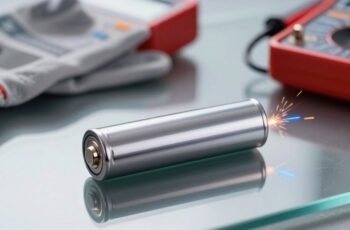
Did you know that lithium batteries in power tools can pose significant safety risks even when they appear intact? Many users overlook critical inspection and handling protocols that prevent potential hazards like thermal runaway or fires. By understanding the specific vulnerabilities of these batteries and implementing proper safety measures, you can avoid dangerous incidents. Staying informed on best practices is essential, but there’s more to take into account—let’s explore the key safety tips in detail.
Key Takeaways
- Use compatible chargers and disconnect batteries once fully charged to prevent overcharging and thermal risks.
- Regularly inspect batteries for physical damage, swelling, or corrosion, and handle damaged units with protective gear.
- Store batteries in a cool, dry environment away from metal objects and flammable materials.
- Discharge batteries to minimal charge before disposal and use designated recycling centers.
- Avoid mechanical shocks, impacts, or disassembly to prevent internal damage and potential hazards.
Understanding Lithium Battery Hazards and Safety Risks
While lithium batteries offer significant advantages in power tool applications, they also pose notable safety hazards if mishandled or damaged. Lithium-ion cells contain highly reactive electrolytes and sensitive internal structures that can lead to thermal runaway when compromised. Mechanical damage, such as punctures or crushing, can cause internal short circuits, generating excessive heat and potentially igniting the electrolyte. Overcharging or exposure to high temperatures accelerates degradation, increasing the risk of swelling, rupture, or fire. Manufacturing defects, such as separator failures or dendrite formation, can also trigger internal shorts. Understanding these hazards underscores the importance of recognizing that even minor damage or improper handling can result in dangerous failures, emphasizing the need for careful awareness of lithium battery safety risks.
Proper Handling and Usage of Power Tool Lithium Batteries
Handling and using power tool lithium batteries correctly is essential to maintaining safety and ensuring ideal performance. Proper handling minimizes risks of thermal runaway, damage, and degradation. Always wear protective gloves and eye gear when handling batteries, especially if damaged. Store batteries in a cool, dry environment away from metal objects and flammable materials. When in use, ensure the battery is securely seated and free from debris or corrosion.
| Handling Practice | Purpose |
|---|---|
| Use insulated tools | Prevents accidental short circuits |
| Avoid mechanical shocks | Prevents internal damage and leaks |
| Usage Practice | Purpose |
| Do not over-discharge | Extends battery lifespan |
| Keep contacts clean | Ensures reliable power transfer |
Best Practices for Charging Lithium Batteries Safely
Ensuring safe charging of lithium batteries requires strict adherence to using compatible chargers designed for specific battery chemistries and capacities. We must also prevent overcharging by disconnecting power once full charge is reached and store batteries in cool, stable environments to minimize thermal stress. Implementing these best practices reduces the risk of thermal runaway and extends overall battery lifespan.
Use Compatible Chargers
Using a charger specifically designed for your lithium battery is essential to prevent overcharging, overheating, and potential safety hazards. Compatibility guarantees the charger supplies the correct voltage, current, and charging profile tailored to your battery’s chemistry and capacity. Mismatched chargers can deliver inappropriate voltage levels, causing thermal runaway or capacity degradation. Always verify that the charger’s specifications align with the manufacturer’s recommended parameters. Using proprietary or certified chargers minimizes risks associated with improper charging algorithms, such as overcurrent or voltage spikes. Additionally, ensure the charger’s connectors fit securely to maintain proper electrical contact, reducing the chance of arcing or intermittent charging. Adhering to compatibility standards is a critical safety measure, protecting both the battery and user from avoidable hazards during the charging process.
Avoid Overcharging Batteries
How can we prevent damaging our lithium batteries during the charging process? The key is to avoid overcharging, which can lead to thermal runaway and capacity degradation. To do this, always use chargers with built-in overcharge protection circuitry that automatically cut off power once the battery reaches its full charge—typically 4.2V per cell. Avoid leaving batteries plugged in after they’re fully charged, as prolonged overcharging stresses the internal chemistry and can cause swelling or reduced cycle life. Implementing smart chargers that monitor voltage and current levels guarantees precise control, minimizing risks. Consistent use of compatible, high-quality chargers designed for lithium-ion batteries is essential for maintaining battery integrity and safety during each charging cycle.
Store in Cool Areas
Storing lithium-ion batteries in cool environments is essential for preserving their chemical stability and prolonging lifespan during charging. Elevated temperatures accelerate chemical reactions within the cell, increasing the risk of capacity loss, swelling, or thermal runaway. Ideally, store batteries between 20°C and 25°C (68°F to 77°F), avoiding direct sunlight and heat sources. Proper ventilation is vital to prevent heat buildup, especially in enclosed storage areas. Maintaining a stable, cool environment minimizes self-discharge rates and reduces degradation of internal components. When not in use for extended periods, store batteries partially charged—around 40-60%—to prevent capacity loss. Regularly check storage conditions, ensuring temperatures remain consistent. These practices help maximize battery safety, efficiency, and overall lifespan during charging and storage.
How to Store Lithium Batteries to Prevent Accidents
Proper storage of lithium batteries is essential to prevent accidents such as fires, leaks, or explosions. To guarantee safety, follow these guidelines:
- Store batteries in a temperature-controlled environment, ideally between 20°C and 25°C, and avoid extreme heat or cold, which can degrade internal components and increase risk.
- Keep batteries in a dry, well-ventilated area, away from flammable materials, to prevent the buildup of hazardous gases.
- Store batteries in non-conductive, fire-resistant containers, and ensure terminals are protected with insulating caps or tape to prevent accidental short circuits.
Adhering to these storage practices minimizes the risk of thermal runaway and structural failure, maintaining battery integrity and safety.
Recognizing Signs of Battery Damage and When to Replace
We need to monitor lithium batteries for visible damage such as cracks, bulges, or corrosion, which indicate compromised integrity. Unusual battery behavior like rapid discharge, loss of power, or failure to hold a charge also signals potential issues. Additionally, a distinct chemical smell or overheating during use are critical safety concerns that require immediate replacement.
Visible Damage Indicators
Visible damage indicators are critical for evaluating the safety and integrity of lithium-ion batteries in power tools. Detecting physical deformities or abnormalities can prevent potential failures or hazards.
- Swelling or Bulging: Any noticeable expansion of the battery casing suggests internal gas buildup, indicating imminent failure or thermal runaway risk.
- Cracks or Leaks: Visible cracks, punctures, or fluid leaks compromise the battery’s structural integrity, increasing the likelihood of short circuits and fires.
- Discoloration or Corrosion: Corroded terminals or discoloration on the casing point to moisture ingress or chemical degradation, which can impair electrical performance and safety.
Promptly replacing batteries exhibiting these signs helps maintain operational safety and prevents hazardous incidents.
Unusual Battery Behavior
Unusual battery behavior often signals underlying damage that may not be immediately visible but poses significant safety risks. If your power tool battery exhibits sudden drops in voltage under load, it indicates internal cell degradation or compromised connections. Swelling or bloating suggests gas buildup from chemical instability, which can lead to rupture. Rapid self-discharge rates or inconsistent charging patterns reflect deterioration of electrode materials or electrolyte breakdown. Unexpected shutdowns during operation may signal internal short circuits or loss of capacity. Noticing these signs early helps prevent dangerous failures. Always monitor for irregular performance, such as decreased runtime or unresponsive charging. When these behaviors occur, it’s critical to replace the damaged battery promptly, as continued use could lead to thermal runaway, fire, or explosion. Regular inspection and prompt replacement guarantee safe, reliable tool operation.
Smell or Overheating
When a lithium battery begins to emit a noticeable smell or generate excessive heat during use, it signals internal chemical instability and potential damage. This situation indicates that the cell chemistry is compromised, risking thermal runaway or fire. Recognizing these signs early is essential for safety.
- Unpleasant Odor: A distinct chemical or burnt smell suggests electrolyte leakage or decomposition, signaling imminent failure.
- Overheating: Excessive heat during operation indicates internal short circuits or damaged separators, increasing the risk of thermal events.
- Deformation or Swelling: Visible swelling or deformation of the battery casing signifies gas buildup from internal damage.
If any of these signs appear, immediately disconnect the battery, avoid handling it further, and replace it to prevent hazardous incidents.
Safe Disposal and Recycling of Power Tool Lithium Batteries
Proper disposal and recycling of power tool lithium batteries are essential to prevent environmental contamination and guarantee safety. Lithium-ion batteries contain hazardous materials like cobalt, nickel, and electrolytes that can leach into soil and water if improperly discarded. To assure safe disposal, always discharge batteries to a minimal state of charge before handling, and avoid puncturing or damaging the cell structure. Use designated recycling centers equipped to process lithium-ion batteries; many manufacturers or local waste management facilities accept them. During transportation, secure batteries to prevent short circuits or leaks. Recycling processes involve extracting valuable materials for reuse, reducing raw material extraction and environmental impact. Strict adherence to disposal regulations minimizes fire risks and prevents toxic exposure, making proper recycling a critical safety and environmental responsibility.
Protecting Yourself With Personal Safety Gear During Battery Maintenance
Have you considered the importance of personal safety gear when performing battery maintenance? Proper gear minimizes exposure to hazardous materials and prevents injuries from accidental sparks or electrical shocks. We recommend the following:
- Insulated gloves — To prevent electrical shocks and protect against chemical leaks, especially when handling exposed terminals or damaged batteries.
- Safety goggles — To shield eyes from corrosive electrolyte splashes or flying debris during disassembly or puncture testing.
- Respiratory masks — To avoid inhaling toxic fumes or particulate matter from battery venting or damaged cells.
Each piece of gear is designed to create a barrier between you and potential hazards, ensuring safety during maintenance procedures. Always verify that safety gear meets relevant standards before use.
Common Mistakes That Lead to Battery Safety Incidents
Many safety incidents with lithium batteries stem from common mistakes that can often be prevented through careful procedures and awareness. One frequent error is improper handling, such as dropping or applying excessive force, which damages the internal cell structure and increases the risk of short-circuiting. Overcharging beyond the manufacturer’s specified voltage can cause thermal runaway, as can using incompatible chargers. Neglecting proper storage, like leaving batteries in extreme temperatures or in a discharged state, accelerates degradation and potential failure. Additionally, attempting to modify or disassemble batteries introduces the risk of internal short circuits and exposure to hazardous materials. Failure to follow manufacturer guidelines, including insufficient inspection and maintenance, also heightens safety hazards. Vigilance and adherence to proper handling protocols are essential to mitigate these common pitfalls.
What to Do in Case of a Battery Fire or Explosion
When a lithium battery fire or explosion occurs, quick and informed action can substantially reduce damage and potential harm. First, immediately evacuate the area and alert emergency services, providing details about the fire. Second, if safe, contain the fire using a Class D or lithium-specific fire extinguisher, avoiding water which can exacerbate the situation. Third, once the fire is controlled, move the affected battery to a non-combustible, well-ventilated area to prevent re-ignition. Do not attempt to extinguish large fires yourself or handle the battery if it shows signs of continuing thermal runaway. Always prioritize personal safety and seek professional assistance. Proper response minimizes risks of toxic fumes, environmental contamination, and further property damage.
Frequently Asked Questions
Can Lithium Batteries Be Safely Stored in Hot or Cold Environments?
We advise against storing lithium batteries in extreme temperatures; heat accelerates degradation, while cold can reduce performance temporarily. Ideally, keep them in a cool, dry place between 20-25°C (68-77°F) for maximum longevity and safety.
How Do I Identify Counterfeit or Substandard Lithium Batteries?
We identify counterfeit lithium batteries by inspecting for misspelled labels, inconsistent logos, irregular packaging, suspiciously low prices, and poor build quality. Authentic batteries have proper certifications, clear specifications, and uniform design, ensuring they meet safety and performance standards.
Are There Specific Tools for Safe Lithium Battery Maintenance?
We use specialized tools like battery analyzers and thermal cameras, much like a mechanic’s diagnostic equipment, to monitor voltage, capacity, and temperature, ensuring safe maintenance and preventing thermal runaway or capacity loss during lithium battery care.
What Are the Legal Regulations for Lithium Battery Disposal?
We follow strict legal regulations requiring proper disposal of lithium batteries through certified recycling programs, ensuring environmental safety and compliance with local, national, and international laws, which often prohibit landfill disposal due to hazardous material concerns.
How Often Should I Inspect My Power Tool Lithium Batteries?
We suggest examining power tool lithium batteries monthly for signs of swelling, corrosion, or damage. Regular, routine inspections guarantee peak performance, prevent potential hazards, and prolong battery lifespan by catching issues early before they escalate or cause failure.
Conclusion
By adhering to these lithium battery safety practices, we can prevent accidents and guarantee ideal performance. Regular inspections, proper handling, and safe disposal are our best defenses against hazards. Remember, even in our modern age, the principles of cautious stewardship echo the wisdom of ancient artisans—meticulous and attentive. Let’s prioritize safety as diligently as a blacksmith forges a blade, safeguarding ourselves and the environment from preventable incidents.