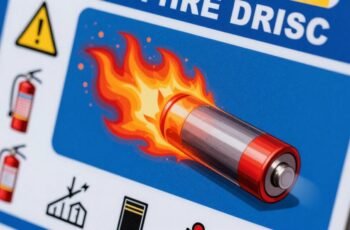
Ensuring safe use of lithium batteries is essential, especially for beginners, as mishandling can lead to serious hazards. We recognize that understanding proper handling, storage, and maintenance is vital to prevent accidents. With the increasing reliance on these batteries in everyday devices, knowing the risks and safety protocols is more important than ever. By following established guidelines, you can considerably reduce potential dangers—yet, there are key details that could make all the difference in how you manage these power sources.
Key Takeaways
- Always handle lithium batteries with protective gear and insulated tools to prevent short circuits and injuries.
- Store batteries in cool, dry, and ventilated areas away from direct sunlight and heat sources.
- Regularly inspect for damage, swelling, or leaks, and dispose of compromised batteries properly.
- Use manufacturer-approved chargers and avoid overcharging or deep discharges to prevent thermal runaway.
- Recognize signs of damage or malfunction, such as swelling or unusual odors, and respond immediately with fire safety measures.
Understanding Lithium Battery Basics: What You Need to Know
Understanding lithium batteries begins with recognizing that they are rechargeable energy storage devices that utilize lithium-ion chemistry to deliver high energy density, lightweight design, and long cycle life. These batteries operate through the movement of lithium ions between the anode and cathode during charge and discharge cycles. The anode is typically made of graphite, while the cathode comprises various metal oxides. This configuration allows for efficient energy transfer, enabling devices to operate reliably over numerous cycles. Lithium-ion batteries are favored in portable electronics and electric vehicles due to their high energy-to-weight ratio and minimal memory effect. However, their complexity requires careful design and manufacturing to guarantee safety and performance. Understanding these fundamental principles is essential for safe handling, maintenance, and effective use.
Safe Handling Practices for Lithium Batteries
Proper handling of lithium batteries is vital to prevent safety hazards and guarantee peak performance. We must always wear appropriate protective gear, such as gloves and eye protection, to minimize exposure to potential leaks or sparks. When handling batteries, use insulated tools to avoid accidental short circuits, which can cause thermal runaway. Never puncture, crush, or disassemble a lithium battery, as this can release flammable electrolyte or ignite. Always inspect batteries for visible damage or swelling before use, and avoid applying excessive force. Charging should be performed with manufacturer-approved chargers at recommended voltage and current settings. Additionally, handle batteries in well-ventilated areas to prevent the accumulation of any released gases. Following these practices guarantees safety and maintains the integrity of the battery throughout its lifecycle.
Proper Storage Tips to Prevent Accidents
Proper storage of lithium batteries is essential to prevent thermal runaways and fires. We recommend keeping batteries in a cool, dry environment and utilizing fireproof containers for added safety. Implementing these measures minimizes the risk of accidental damage or ignition during storage.
Store in Cool, Dry Place
Storing lithium batteries in a cool, dry environment is crucial to prevent thermal runaway and other safety hazards. Elevated temperatures accelerate chemical reactions within the battery, increasing the risk of overheating and potential failure. A dry environment minimizes moisture exposure, which can cause internal corrosion or short circuits. To achieve ideal storage conditions, confirm the area is free of humidity and maintains a temperature between 15°C and 25°C. Visualize a secure cabinet or designated storage box, away from direct sunlight, sources of heat, and humidity. Consider these factors:
- Ambient temperature control
- Ventilated storage space
- Absence of direct sunlight
- Low humidity environment
Maintaining these conditions markedly reduces risk, prolongs battery life, and ensures safe handling.
Use Fireproof Containers
Using fireproof containers is a critical safety measure when storing lithium batteries, as they substantially reduce the risk of fire in the event of a thermal event or internal failure. These containers are engineered to withstand high temperatures and contain any potential combustion, preventing flames from spreading. Properly sealed fireproof enclosures minimize the chance of oxygen exposure, which can exacerbate a thermal runaway. When selecting storage containers, verify they are rated for lithium battery safety and are free of any damage or defects. We recommend placing batteries in these containers, especially during transportation or long-term storage. This approach enhances safety by containing potential fires and reducing risk to property and personnel, making fireproof containers an essential component of responsible lithium battery management.
Recognizing Signs of Damage or Malfunction
We need to be vigilant for signs of battery damage or malfunction, as these can compromise safety. Visible physical damage, such as cracks or swelling, indicates structural compromise, while unusual behavior like rapid discharging suggests internal issues. Excessive heat emission is a critical warning that the battery is overheating and requires immediate attention.
Visible Physical Damage
How can you identify if a lithium battery is compromised by visible physical damage? Look for clear signs that indicate internal or structural issues. These include:
- Swelling or bulging cases, suggesting gas buildup from internal failure
- Cracks or fractures on the battery casing, which can expose internal components
- Leaking or oozing electrolyte, indicating rupture or seal failure
- Discoloration or corrosion around terminals and surfaces, signaling chemical reactions
Such physical deformities compromise battery integrity, increasing the risk of short circuits, fires, or explosions. It’s critical to inspect batteries regularly for these visible signs and avoid using damaged units. Recognizing these indicators promptly enhances safety and prevents potential hazards associated with compromised lithium batteries.
Unusual Battery Behavior
Unusual behavior in a lithium battery often signals underlying damage or malfunction that warrants immediate attention. We observe signs such as unexpected voltage drops, rapid self-discharge, or inconsistent power delivery, indicating compromised internal components. Swelling or bulging cases suggest gas buildup from internal decomposition, while persistent failure to hold a charge points to degraded electrode materials. Additionally, if the battery exhibits irregular charging or discharging patterns, it may be a sign of internal short circuits or damaged separators. Such anomalies are not normal and can compromise safety, increasing the risk of thermal events. Recognizing these signs early allows us to prevent potential hazards, emphasizing the importance of inspecting batteries regularly and replacing any units that show these abnormal behaviors.
Excessive Heat Emission
Excessive heat emission from a lithium battery is a clear and critical indicator of internal damage or malfunction. This overheating can signal compromised internal components, risking thermal runaway. When a battery overheats, you may observe:
- The surface feeling abnormally warm or hot to the touch
- A distinct, acrid chemical odor indicating potential leakage
- Swelling or bulging of the battery casing
- Discoloration or deformation of the battery surface
These signs demand immediate action, as continued use can lead to fires or explosions. Recognizing these warning signs early helps prevent catastrophic failures. Always prioritize safety by disconnecting the battery, avoiding contact with the hot surface, and seeking professional disposal or replacement. Addressing heat emission promptly minimizes risk and ensures safety.
How to Safely Charge and Discharge Lithium Batteries
Properly charging and discharging lithium batteries is essential to maintaining safety and prolonging their lifespan. We recommend using chargers specifically designed for lithium chemistries, with built-in protections such as current limiting, voltage regulation, and temperature monitoring. Always adhere to manufacturer-specified charge voltages and current rates, avoiding overcharging or deep discharges that can compromise cell integrity. When discharging, do not exceed the recommended cutoff voltage to prevent capacity loss and potential safety hazards. Implement proper charging protocols, including avoiding rapid charging unless the system supports it safely. Monitoring temperature during charge and discharge cycles is critical; elevated temperatures can lead to thermal runaway. Consistent, controlled charging and discharging practices are fundamental to ensuring best performance and safety of lithium batteries.
The Do’s and Don’ts of Lithium Battery Maintenance
Maintaining lithium batteries correctly is essential for safety and longevity, and adhering to specific do’s and don’ts guarantees peak performance. Proper maintenance minimizes risks of degradation, thermal issues, and capacity loss.
Do’s:
- Regularly inspect for physical damage or swelling, which indicates internal issues.
- Keep batteries stored in a cool, dry environment away from direct sunlight.
- Use manufacturer-approved chargers and avoid overcharging.
- Monitor voltage levels and avoid deep discharges to preserve cell health.
Don’ts:
- Do not expose batteries to extreme temperatures or moisture.
- Avoid puncturing or crushing the battery casing.
- Refrain from using damaged or swollen batteries.
- Never attempt to modify or tamper with the internal components.
Following these guidelines guarantees safe operation and extends battery lifespan.
Emergency Procedures for Lithium Battery Fires or Leaks
When a lithium battery fire or leak occurs, immediate and correct action can prevent injury and minimize damage. First, evacuate the area and avoid inhaling fumes. Use a Class D fire extinguisher or, if unavailable, smother the fire with a metal lid or fire blanket—never use water, as it can exacerbate the situation. For leaks, wear protective gloves and goggles, and contain the liquid to prevent contamination. Always disconnect the battery from power sources safely before addressing leaks or fires.
| Action | Equipment Needed | Precautions |
|---|---|---|
| Extinguish fire | Class D extinguisher | Avoid water; use non-reactive agents |
| Ventilate area | Fans or open windows | Prevent inhalation of fumes |
| Contain leaks | Sealable container | Prevent environmental contamination |
| Seek medical aid | First aid kit, medical help | Handle burns or inhalation injuries |
Choosing Quality Batteries and Accessories for Safety
Selecting high-quality lithium batteries and accessories is essential to guarantee safety and reliability in your applications. High-grade batteries undergo rigorous testing for consistent voltage, capacity, and thermal stability, reducing the risk of failure. When choosing batteries, look for reputable brands with certified safety standards, such as UL or IEC compliance. Additionally, verify accessories like chargers and protective cases are specifically designed for lithium chemistry, preventing overcharging or short circuits. Visualize these critical factors:
- Certified brands with proven safety records
- Batteries with built-in thermal management features
- Chargers with automatic shutoff and overvoltage protection
- Durable, flame-resistant casing for added safety
Prioritizing quality in batteries and accessories minimizes hazards, guaranteeing peak performance while safeguarding users and property.
Frequently Asked Questions
Can Lithium Batteries Be Recycled Safely?
Yes, lithium batteries can be recycled safely when handled by trained professionals using proper procedures and equipment. We guarantee that hazardous materials are contained and recovery processes are environmentally sound, minimizing risks to people and the environment.
What Are the Environmental Impacts of Lithium Battery Disposal?
Disposing of lithium batteries can release hazardous materials, contaminating soil and water, and contributing to pollution. We must guarantee proper recycling to minimize environmental harm, recover valuable materials, and prevent toxic substances from leaching into ecosystems.
Are There Age Restrictions for Handling Lithium Batteries?
Yes, age restrictions typically apply; individuals under 18 often require supervision or certification to handle lithium batteries. We emphasize proper training and adherence to safety guidelines to prevent accidents and guarantee safe handling for all age groups.
How Do Temperature Changes Affect Lithium Battery Safety?
When temperature changes occur, lithium batteries become more vulnerable—hotter conditions increase risk of thermal runaway, while cold weakens performance. We always recommend monitoring temperatures closely, because a little knowledge keeps us from sailing into troubled waters.
Can Lithium Batteries Explode if Damaged?
Yes, lithium batteries can explode if damaged, especially if internal components are compromised. We advise handling them carefully, avoiding punctures, crushing, or exposure to extreme heat, as damage can trigger thermal runaway, leading to potential explosions or fires.
Conclusion
By following these essential safety guidelines, we can prevent potential disasters that could overshadow our entire day. Proper handling, storage, and maintenance of lithium batteries are not just precautions—they’re the armor that shields us from catastrophic failures. When we stay vigilant and adhere to best practices, we transform a potentially dangerous energy source into a reliable, powerful tool. Let’s treat lithium batteries with the respect they deserve, ensuring safety isn’t just a goal, but a guaranteed outcome.