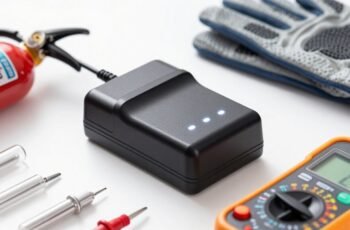
While it’s often said that safety is a matter of caution, when it comes to motorcycle lithium batteries, understanding the intricacies can make all the difference. These power sources offer exceptional performance but come with specific risks if mishandled. Ensuring proper handling, installation, and maintenance is essential to prevent hazards like thermal runaway or fires. To fully grasp these critical safety measures, you’ll want to take into account the detailed guidelines that follow.
Key Takeaways
- Regularly inspect for swelling, leaks, or unusual odors indicating potential battery malfunction or thermal runaway risks.
- Use manufacturer-approved chargers and avoid overcharging or deep discharging to prevent fire hazards.
- Properly install and mount batteries securely, ensuring clean, tight connections and correct polarity.
- Keep batteries stored in cool, dry environments away from heat and flammable materials.
- In case of fire, evacuate immediately and use suitable fire extinguishers (Class D or multi-purpose).
Understanding Motorcycle Lithium Batteries and Their Risks
Although motorcycle lithium batteries offer numerous advantages such as lightweight design and high energy density, they also pose specific safety risks that riders must understand. Lithium-ion cells contain volatile electrolytes and are susceptible to thermal runaway if damaged or improperly handled. Overcharging, deep discharging, or exposure to high temperatures can cause internal short circuits, leading to overheating, swelling, or even fire. Manufacturing defects or physical damage can compromise structural integrity, increasing the risk of leakage or catastrophic failure. Unlike traditional lead-acid batteries, lithium batteries demand precise voltage regulation and proper maintenance to prevent dangerous incidents. Recognizing these risks is essential for safe operation, as understanding the battery’s chemistry and behavior enables better preventive measures and timely response to potential hazards.
How to Properly Install and Handle Your Lithium Battery
Proper installation of a motorcycle lithium battery requires strict adherence to manufacturer instructions to guarantee safe operation. Handling practices must include wearing protective gear and avoiding punctures or short circuits during installation. By following these procedures meticulously, we minimize safety risks and maintain battery integrity.
Correct Installation Procedures
To guarantee safe and reliable operation, we must follow strict procedures when installing and handling lithium motorcycle batteries. First, confirm the battery is compatible with your motorcycle model and verify all connections are clean and secure. Always disconnect the negative terminal first, then the positive, to prevent short circuits. When installing, ensure the battery is firmly mounted to prevent vibrations and movement. Use insulated tools to avoid accidental shorts.
| Step | Description |
|---|---|
| Connect | Attach negative terminal first, then positive |
| Secure | Mount battery firmly to prevent movement |
| Test | Verify proper voltage and connection stability |
Safe Handling Practices
Handling your lithium motorcycle battery safely is essential for preventing accidents and ensuring ideal performance. Always wear insulated gloves and eye protection when handling the battery to prevent electrical shocks or chemical exposure. Before installation or maintenance, disconnect the battery from the motorcycle using insulated tools, avoiding contact with terminals. Store batteries in a cool, dry environment, away from heat sources and flammable materials. When transporting, secure the battery upright in a padded container to prevent physical damage. Never puncture, disassemble, or expose the battery to excessive force. Follow manufacturer guidelines strictly for charging and maintenance routines. Proper handling minimizes risks of short circuits, thermal runaway, and chemical leaks, protecting both user safety and battery longevity.
Best Practices for Charging and Maintaining Your Battery
Ensuring your motorcycle lithium battery remains in optimal condition requires adherence to specific charging and maintenance practices. Always use the charger supplied or recommended by the manufacturer, ensuring it matches the battery’s voltage and current specifications. Avoid overcharging by disconnecting once fully charged. Store the battery in a cool, dry environment and recharge periodically if the motorcycle isn’t in use for extended periods. Proper maintenance extends battery life and safety.
| Practice | Rationale |
|---|---|
| Use manufacturer-approved charger | Prevents overvoltage and thermal damage |
| Maintain optimal storage temperature | Reduces capacity loss and degradation |
| Regularly inspect terminals and connections | Ensures proper electrical contact |
| Avoid deep discharges | Preserves battery longevity |
| Re-charge after storage or use | Maintains consistent performance |
Recognizing Signs of Battery Damage or Malfunction
When a lithium battery exhibits abnormal behavior, it often indicates underlying damage or malfunction that requires immediate attention. Signs include swelling or bulging, which suggests internal gas buildup and potential rupture risk. Unusual heat during operation or charging indicates thermal instability, while a noticeable decrease in capacity or voltage irregularities points to internal degradation. Leaking electrolyte or corrosion around terminals signals seal failure or electrolyte leakage, increasing fire risk. A persistent, foul odor may also indicate thermal runaway or chemical breakdown. Additionally, frequent or failed charging cycles suggest internal resistance issues. Recognizing these signs promptly is vital to prevent catastrophic failure. Regular inspections and monitoring for these symptoms help guarantee safe operation and extend the lifespan of your motorcycle lithium battery.
Safe Storage Tips for Motorcycle Lithium Batteries
Proper storage of motorcycle lithium batteries is essential to maintain safety and prolong their lifespan. We recommend storing batteries in a cool, dry environment with a temperature range between 40°F and 68°F (4°C to 20°C). Avoid exposure to direct sunlight, high humidity, or sources of heat, as these conditions can accelerate degradation or cause thermal runaway. Make certain the battery is partially charged, ideally around 50%, before storage, as fully charged or depleted states can harm the cells. Use a non-conductive, fire-resistant container if possible, and disconnect the battery from the motorcycle’s electrical system to prevent parasitic drain. Regularly inspect stored batteries for signs of swelling, corrosion, or leaks, and recharge them periodically to maintain ideal voltage levels.
What to Do in Case of a Battery Fire or Emergency?
In the event of a battery fire or emergency, immediate evacuation is critical to guarantee safety. Proper fire extinguishers, such as Class D or multi-purpose dry chemical agents, should be used to suppress the flames effectively. Additionally, contacting emergency services is essential for professional assistance and proper disposal of the damaged battery.
Evacuate Immediately and Safely
If a motorcycle lithium battery ignites or shows signs of thermal runaway, immediate evacuation is critical to minimize harm. We must prioritize safety by evacuating the area promptly, avoiding inhalation of toxic fumes, and ensuring others are alerted. Once evacuated, move to a safe distance and call emergency services. To understand the risks involved, consider this table:
| Risk Factor | Recommended Action |
|---|---|
| Battery emits smoke or flames | Evacuate and ventilate area immediately |
| Presence of toxic fumes | Leave area and avoid inhalation |
| Fire intensifies or spreads | Maintain distance and wait for emergency responders |
Timely evacuation mitigates exposure to dangerous chemicals and reduces injury potential during lithium battery emergencies.
Use Proper Fire Extinguisher
When a motorcycle lithium battery catches fire or shows signs of thermal runaway, selecting the correct fire extinguisher is vital for effectively controlling the blaze. Lithium battery fires require specific suppression methods to prevent re-ignition and minimize hazards. Use a Class D fire extinguisher designed for combustible metals, or a CO2 extinguisher if Class D isn’t available, to suppress the fire safely. Here are essential steps:
- Confirm personal safety and avoid inhaling fumes.
- Confirm the fire’s origin is the battery or related components.
- Aim the extinguisher’s nozzle directly at the base of the fire.
- Use short bursts to prevent spreading or splashing molten material.
Prompt, correct extinguisher use can contain the fire efficiently, reducing damage and risk.
Contact Emergency Services
What steps should we take immediately upon discovering a motorcycle lithium battery fire? First, we must guarantee personal safety by evacuating the area and avoiding inhalation of toxic fumes. Next, we should call emergency services without delay, providing clear details about the fire’s location and nature. It’s vital to inform responders that the fire involves a lithium battery, as specialized equipment and procedures may be required. Do not attempt to move the motorcycle or extinguish the fire with water, as this can exacerbate the situation. While awaiting professional assistance, monitor the scene from a safe distance, and keep bystanders clear. Promptly contacting emergency services ensures that trained personnel can manage the fire safely and prevent further hazards.
Choosing the Right Battery and Safety Accessories for Your Motorcycle
How do you guarantee your motorcycle’s lithium battery operates safely and reliably? Selecting the proper battery and safety accessories is essential. First, verify the battery has a high CCA (Cold Cranking Amps) rating suited to your motorcycle’s specifications to prevent starting issues. Second, opt for batteries with built-in BMS (Battery Management System) for overcharge, over-discharge, and short circuit protection. Third, choose a compatible, high-quality charger designed specifically for lithium batteries to prevent overcharging. Fourth, incorporate a fire-resistant, vented battery enclosure and a reliable fuse or circuit breaker for added safety. These measures minimize risks, ensure longevity, and maintain peak performance, making the investment in proper selection and safety accessories vital for motorcycle lithium battery safety.
Frequently Asked Questions
How Long Do Motorcycle Lithium Batteries Typically Last?
Typically, motorcycle lithium batteries last between 2 to 5 years, depending on usage, maintenance, and environmental conditions. We recommend regular inspections and proper charging practices to extend battery lifespan and guarantee peak performance.
Are There Specific Brands Known for Higher Safety Standards?
We find that reputable brands like Shorai, Ballistic, and UltraSafe prioritize rigorous safety standards, including advanced thermal management and quality control, ensuring higher reliability and reduced risk of thermal runaway, making them preferable choices for safety-conscious riders.
Can Lithium Batteries Be Recycled Safely?
We can recycle lithium batteries safely, with over 90% of materials recoverable through specialized processes. Proper recycling prevents environmental hazards and preserves valuable resources, emphasizing the importance of using certified facilities to guarantee safe, effective disposal.
What Are Common Myths About Lithium Battery Safety?
We find that common myths about lithium battery safety include beliefs that they are inherently dangerous or prone to explosions; however, with proper handling and manufacturing standards, these batteries are safe, reliable, and pose minimal risk when used correctly.
How Do Weather Conditions Affect Battery Safety and Performance?
A stitch in time saves nine, and weather considerably impacts battery safety and performance. Extreme temperatures can cause thermal runaway or reduce efficiency, so we recommend monitoring conditions and employing appropriate insulation and ventilation to maintain ideal battery health.
Conclusion
In summary, prioritizing safety with our motorcycle lithium batteries is essential. Proper handling, regular maintenance, and immediate attention to signs of damage can prevent accidents. Remember, an ounce of prevention is worth a pound of cure—staying vigilant and prepared keeps us riding safely. By following these guidelines and choosing quality components, we safeguard ourselves and others, ensuring our journeys remain secure and enjoyable. Safety isn’t just a precaution; it’s a responsibility we all share.