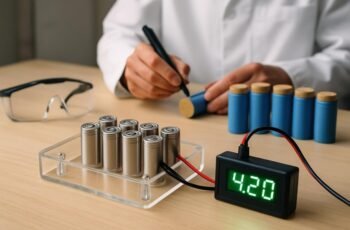
Did you know that improper handling of lithium starter batteries can lead to severe safety hazards, including fires and explosions? These batteries contain highly reactive materials that require strict safety protocols during installation and maintenance. Failing to follow proper procedures can result in dangerous sparks or chemical leaks. Understanding the specific risks involved is vital to prevent accidents—something you might not fully consider without detailed guidance. Let’s explore the essential safety measures that can help you protect yourself and your vehicle.
Key Takeaways
- Always wear insulated gloves and safety goggles when handling or installing lithium starter batteries.
- Verify compatibility and correct installation procedures to prevent damage and safety hazards.
- Regularly inspect for damage, leaks, or swelling, and address issues immediately.
- Use proper safety equipment and work in ventilated areas to avoid exposure to toxic fumes.
- In case of fire, evacuate and use a Class D or ABC extinguisher; do not use water on lithium fires.
Understanding the Safety Risks of Lithium Starter Batteries
Although lithium starter batteries offer significant advantages in performance and weight reduction, they also present notable safety risks that must be understood. Lithium batteries contain high-energy cells that can pose fire and explosion hazards if damaged, improperly charged, or subjected to manufacturing defects. Thermal runaway can occur if internal short circuits or external heat sources compromise the battery’s integrity, leading to rapid temperature increases and potential ignition. Additionally, the electrolyte’s chemical composition is highly reactive, increasing risks during puncture or crush incidents. Overcharging or using incompatible chargers can cause internal stress, swelling, or rupture. Recognizing these risks highlights the importance of strict safety protocols, proper installation, and vigilant monitoring to prevent accidents and guarantee safe operation of lithium starter batteries in automotive applications.
Proper Handling and Installation Procedures
To guarantee safety and ideal performance, proper handling and installation of lithium starter batteries must follow strict procedures. Always wear appropriate personal protective equipment, including gloves and eye protection, to prevent contact with corrosive materials or accidental sparks. Before installation, verify the battery’s specifications match your vehicle’s requirements. Use insulated tools to connect the positive terminal first, then the negative, ensuring secure, tight connections to prevent arcing. Avoid short circuits by keeping metal tools away from the terminals. Confirm the battery is placed on a stable, non-conductive surface during installation. Confirm that the venting system is unobstructed and that the battery is mounted securely to prevent vibration or movement. Strict adherence to these procedures minimizes risks and guarantees peak battery performance.
Recognizing Signs of Damage or Malfunction
Identifying signs of damage or malfunction in lithium starter batteries is crucial for maintaining safety and ensuring dependable performance. Visible signs include bulging, cracks, or leaks, which indicate internal damage and potential failure. Unusual heat during operation or charging signals thermal instability, risking thermal runaway. A noticeable decrease in cranking power or frequent failure to start suggests capacity loss or internal degradation. Corrosion around terminals or connectors indicates electrolyte leakage or corrosion, compromising electrical connections. Additionally, persistent foul odors may signal electrolyte leaks or overheating. Monitoring for these warning signs allows early intervention, preventing catastrophic failure or safety hazards. Regular inspection and prompt attention to any abnormal condition are essential for maintaining the integrity and safety of lithium starter batteries in automotive applications.
Essential Safety Equipment and Precautions
Ensuring safety when handling lithium starter batteries requires the use of essential protective equipment and adherence to strict precautions. We recommend always wearing insulated gloves rated for high-voltage work and safety goggles to protect against sparks or acid splashes. Using an anti-static mat helps prevent static discharge, which could ignite flammable gases. It’s vital to work in a well-ventilated area to disperse any potentially hazardous fumes. Before handling, confirm the battery is powered off and disconnected properly. Keep fire extinguishers rated for electrical and chemical fires nearby. Never use metallic tools that could short-circuit terminals, and always handle the battery with non-conductive equipment. Strict adherence to these safety measures minimizes risk and guarantees safe maintenance and installation procedures.
What to Do in Case of a Battery Accident or Fire
In the event of a lithium battery fire or accident, immediate action is critical to minimize hazards and prevent escalation. First, alert emergency services and evacuate the area. Use a Class D or ABC fire extinguisher designed for electrical fires to suppress flames, avoiding water which can worsen the fire. Ventilate the area if safe, to disperse toxic fumes. Never attempt to extinguish a large fire without professional help.
| Action | Equipment Needed | Precautions |
|---|---|---|
| Evacuate and call emergency services | Phone, evacuation plan | Keep a safe distance, avoid inhaling fumes |
| Use fire extinguisher | Class D or ABC extinguisher | Do not use water on lithium fires |
| Ventilate area | Fans or open windows | Prevent inhalation of toxic gases |
Frequently Asked Questions
How Long Do Lithium Starter Batteries Typically Last?
Lithium starter batteries typically last between 3 to 5 years, depending on usage, maintenance, and environmental conditions. We recommend regular inspections and proper handling to maximize lifespan, ensuring the best performance and safety for your vehicle’s starting system.
Can Lithium Batteries Be Recycled Safely?
Yes, lithium batteries can be recycled safely when handled by certified facilities. We recommend following proper disposal protocols, avoiding environmental contamination, and partnering with authorized recyclers to guarantee hazardous materials are managed responsibly and efficiently.
Are There Specific Storage Conditions for Lithium Batteries?
We store lithium batteries in a cool, dry place away from direct sunlight, like a climate-controlled cabinet. This prevents thermal runaway and degradation, ensuring safety and longevity, as demonstrated in industry case studies confirming ideal storage conditions.
What Are the Environmental Impacts of Lithium Battery Disposal?
Lithium battery disposal releases toxic materials, contaminating soil and water, and contributes to resource depletion. We must implement proper recycling practices to mitigate environmental harm, ensuring hazardous components are safely managed and valuable materials reclaimed efficiently.
Do Lithium Batteries Require Special Insurance Coverage?
Yes, lithium batteries often require specialized insurance coverage due to their fire risk, environmental hazards, and high value. We recommend consulting with insurers experienced in lithium technology to guarantee thorough protection and compliance with safety regulations.
Conclusion
In safeguarding our journey, safety is the steady compass guiding us through the stormy seas of lithium battery handling. By respecting the warnings and adhering to best practices, we illuminate the path with caution and precision. Let each step be a beacon, a steady heartbeat in the labyrinth of risks. With vigilance as our shield and knowledge as our map, we guarantee that every start ignites safely, steering us clear of danger’s shadow and towards secure horizons.