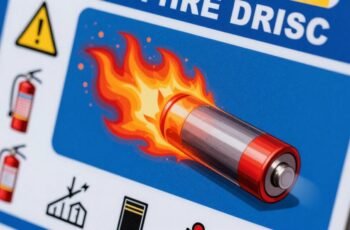
Like a carefully balanced circuit, the safe operation of scooter lithium batteries depends on precise handling and vigilant maintenance. Each component—from charging to storage—must adhere to strict protocols to prevent hazards like thermal runaway or leaks. Understanding these fundamentals is essential, as overlooking even small details can lead to serious consequences. Ensuring safety isn’t just about compliance; it’s about protecting yourself and others from unpredictable risks. Let’s explore the critical practices that keep these powerful batteries secure.
Key Takeaways
- Use manufacturer-approved chargers and avoid overcharging to prevent thermal runaway and fire hazards.
- Regularly inspect batteries for swelling, leaks, or corrosion, and replace damaged units immediately.
- Store batteries in cool, dry places at 30-50% charge to prolong lifespan and prevent degradation.
- Avoid extreme temperatures and water exposure during riding, charging, and storage to maintain battery health.
- Follow emergency procedures for battery fires, including using proper extinguishers and evacuating the area.
How Do Lithium Batteries Power Electric Scooters Safely?
Lithium batteries power electric scooters efficiently by storing and delivering high-density energy through lithium-ion chemistries, which enable rapid charge and discharge cycles. These batteries utilize electrochemical cells with layered materials, such as lithium cobalt oxide or lithium iron phosphate, to facilitate efficient electron flow. The battery management system (BMS) plays a critical role, monitoring voltage, current, and temperature to prevent overcharging, over-discharging, and thermal runaway. Precise control mechanisms guarantee safe energy transfer during operation, optimizing performance and longevity. Additionally, the use of protective circuitry minimizes risks associated with voltage spikes and short circuits. By integrating advanced safety features and real-time monitoring, lithium batteries ensure reliable power delivery while maintaining safety standards essential for everyday scooter use.
What Are Common Risks and How Can You Prevent Them?
Understanding the risks associated with lithium batteries is essential for safe scooter operation. Overcharging can lead to thermal runaway, while improper storage or handling damage increases the likelihood of failure or fire. Implementing correct charging protocols, storage practices, and handling procedures considerably mitigates these hazards.
Overcharging Risks
Have you ever considered the dangers of overcharging your scooter’s lithium battery? Overcharging can lead to thermal runaway, swelling, or even fire hazards due to excessive heat buildup. To prevent these risks, using a charger with automatic shutoff is essential. Below is a summary of key risks and mitigation strategies:
| Risk | Cause | Prevention |
|---|---|---|
| Thermal runaway | Overvoltage, sustained charging | Use chargers with overcharge protection |
| Battery swelling | Excessive charge cycles | Monitor charging time and voltage |
| Fire hazard | Internal short circuit during overcharge | Avoid leaving batteries unattended during charging |
Proper control of charging parameters minimizes these dangers. Always adhere to manufacturer guidelines for charging cycles and voltage limits.
Proper Storage Techniques
Proper storage of scooter lithium batteries is crucial to maintaining their safety and longevity; failure to do so can lead to several risks. Inadequate storage conditions, such as exposure to extreme temperatures, can cause capacity loss, thermal degradation, or internal short circuits. It’s essential to store batteries in a cool, dry environment, ideally between 40°F and 77°F (4°C to 25°C), to prevent thermal stress. Additionally, batteries should be stored at a partial charge—around 40-60%—to minimize capacity fade and chemical instability. Avoid exposing batteries to direct sunlight, high humidity, or corrosive environments. Proper insulation and secure placement prevent physical damage, which could lead to internal shorting or fires. Regular inspection for corrosion or swelling further reduces risk, ensuring safe storage and extended battery lifespan.
Handling Damage Safely
Handling damaged scooter lithium batteries requires immediate attention because compromised cells can pose significant safety hazards. Damage may lead to thermal runaway, fire, or toxic chemical leaks. To prevent these risks, avoid handling batteries with visible swelling, leaks, or corrosion. Always wear protective gear and work in well-ventilated areas. Proper disposal protocols must be followed to prevent environmental contamination or fire risks.
| Damage Type | Potential Risk | Prevention Strategy |
|---|---|---|
| Swelling | Fire, explosion | Replace immediately |
| Leaks | Toxic exposure | Handle with gloves |
| Corrosion | Short circuit | Inspect regularly |
| Cracks | Internal short | Avoid pressure/contact |
| Overheating | Thermal runaway | Monitor temperature |
Prompt, cautious handling mitigates hazards effectively.
How to Properly Charge and Store Your Scooter Battery
To guarantee peak performance and safety, it’s essential to follow specific guidelines when charging and storing your scooter battery. Always use the charger provided by the manufacturer, verifying it’s compatible with your battery’s voltage and capacity specifications. Charge in a well-ventilated, dry environment, avoiding extreme temperatures; ideal charging occurs between 10°C and 30°C. Do not overcharge; unplug once the battery reaches 100% to prevent capacity loss and thermal risks. During storage, keep the battery in a cool, dry place, ideally at a 30-50% charge level to maintain longevity. Avoid exposing the battery to direct sunlight or high humidity. Regularly inspect for corrosion, swelling, or leaks, and verify terminals are clean and secure before charging or storing.
Signs of Battery Damage and When to Replace It
We need to monitor for physical damage, such as cracks or swelling, which can compromise battery integrity. Unusual behaviors like rapid discharges or overheating indicate potential issues, while diminished performance reduces overall range and efficiency. Recognizing these signs promptly helps determine when replacement is necessary to guarantee safe operation.
Visible Physical Damage
Visible physical damage to a scooter lithium battery can indicate serious safety risks and necessitate immediate inspection. Such damage compromises the battery’s structural integrity and can lead to hazardous failures. We recommend inspecting for the following signs:
- Swelling or bulging: Indicates internal gas buildup, risking rupture.
- Cracks or fractures: Compromise the casing, risking electrolyte leaks.
- Corrosion or rust: Signifies electrolyte exposure, increasing corrosion risk.
- Discoloration or burn marks: Suggest thermal damage or overheating.
These visual cues are critical indicators that the battery’s safety performance is compromised. If any of these signs are present, the battery must be replaced promptly to prevent fire, chemical leaks, or other safety hazards. Regular inspections are essential for safe scooter operation.
Unusual Battery Behavior
Have you noticed your scooter’s battery behaving unexpectedly? Unusual behavior can indicate internal damage or degradation. Signs include sudden power loss, inconsistent charging, or the battery failing to hold a full charge. You might observe frequent overheating during operation or swelling of the battery case, which suggests electrolyte leakage or gas buildup. Audible hissing or bulging are critical warning signs requiring immediate attention. Additionally, if your battery discharges rapidly or the scooter exhibits erratic acceleration, these are indicators of compromised cell integrity. Such behaviors often result from internal short circuits, overcharging, or manufacturing defects. When these signs appear, it’s crucial to replace the battery promptly to prevent safety hazards like fires or chemical leaks. Regular monitoring of behavior helps guarantee safe and reliable scooter operation.
Reduced Battery Performance
Reduced battery performance often signals underlying damage that can compromise safety and reliability. When a lithium battery no longer delivers consistent power or experiences rapid capacity loss, it indicates potential internal degradation. Recognizing these signs helps prevent failure and safety hazards.
Key indicators include:
- Decreased Range: The scooter covers less distance per charge, reflecting diminished capacity.
- Longer Charging Times: Extended periods to fully recharge suggest internal resistance increases.
- Sudden Power Loss: Unexpected drops in acceleration or throttle response indicate internal damage.
- Overheating During Use: Elevated temperatures during operation point to internal short circuits or chemical breakdown.
When these signs are apparent, it’s essential to replace the battery promptly to maintain safety and performance.
Best Practices for Safe Riding With a Lithium Battery
To guarantee safe riding with a lithium battery, it’s essential to follow established best practices that minimize risk and enhance performance. Always inspect the battery and scooter before each ride for physical damage, corrosion, or loose connections. Make certain the battery is securely mounted and properly ventilated to prevent overheating. Avoid aggressive acceleration or high speeds that can generate excessive heat, which compromises battery integrity. Use the scooter within manufacturer-recommended weight limits and environmental conditions, particularly avoiding extreme temperatures. Maintain consistent charging routines, avoiding overcharging or discharging below recommended levels, and utilize compatible chargers. Adhere to prescribed riding distances and avoid sudden stops or maneuvers that could stress the battery. Implementing these practices reduces safety hazards and prolongs battery lifespan during daily operation.
What to Do in Case of a Battery Fire or Accident
In the event of a lithium battery fire or accident, prompt and informed action can prevent further damage and protect safety. Immediate response is critical to minimizing risks associated with thermal runaway or toxic fumes.
- Evacuate the area immediately to avoid inhaling toxic gases and to ensure personal safety.
- Use a Class D or ABC fire extinguisher if available, targeting the fire directly; never use water on lithium fires, as it can exacerbate the situation.
- Disconnect the battery if safe to do so, preventing further electrical activity.
- Call emergency services for professional fire suppression and medical assistance, especially if flames persist or fumes are present.
Timely, precise action is essential to mitigate hazards effectively.
Frequently Asked Questions
How Long Does a Typical Scooter Lithium Battery Last?
Typically, scooter lithium batteries last between 300 to 500 charge cycles, which translates to approximately 1 to 3 years of regular use, depending on maintenance, usage patterns, and environmental conditions. Proper care extends their lifespan considerably.
Can I Upgrade My Scooter’s Battery for Better Safety?
Absolutely, upgrading your scooter’s battery can enhance safety if done with compatible, high-quality lithium cells and professional installation. Think of it as upgrading your vehicle’s armor—ensuring better protection and performance without compromising safety standards.
Are There Specific Brands Known for Safer Lithium Batteries?
Yes, brands like Samsung, LG, and Panasonic are known for manufacturing safer, high-quality lithium batteries due to strict quality controls and advanced safety features. We recommend choosing reputable brands to guarantee maximum safety and performance in your scooter.
How Does Temperature Affect Lithium Battery Safety?
Temperature greatly influences lithium battery safety; high temperatures cause thermal runaway and degradation, while low temperatures reduce performance. We recommend operating within the manufacturer’s specified temperature range to ensure ideal safety and longevity of the battery.
What Certifications Indicate a Safe Lithium Scooter Battery?
Like a knight’s shield, certifications such as UL 2271, UN 38.3, and IEC 62133 guarantee lithium scooter batteries meet strict safety standards, confirming their reliability, stability, and compliance, giving users peace of mind in today’s tech-driven world.
Conclusion
By following these safety guidelines, we’re not just protecting our scooters—we’re safeguarding our journeys. Treat your battery like a delicate instrument, vigilant and respectful of its power. Proper handling, regular checks, and swift action in emergencies are essential in steering clear of hazards. When we respect the science behind lithium batteries, we guarantee our rides remain smooth and safe, transforming potential risks into controlled energy—like a well-tuned engine propelling us forward with confidence and precision.