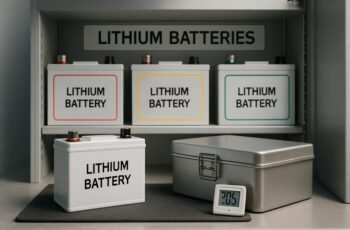
We must dispose of lithium batteries safely by first identifying their type and condition, then following practical, regulator-aligned steps to prep them for recycling. We’ll inspect for swelling or leaks, isolate damaged items, disconnect from devices, and store them in non-conductive, fire-resistant containers with clear tagging. Then we’ll use local programs or take-back schemes, keeping documentation and original packaging where required. If something’s damaged or on fire, we’ll act fast and contact authorities, but the specifics still matter here.
Key Takeaways
- Follow local regulations for Li-ion battery disposal, including proper segregation, labeling, and end-of-life pathways to minimize safety and environmental risks.
- Identify battery type (form factor, cells, labeling) and note voltage/capacity to inform safe handling and transport decisions.
- Inspect for damage, isolate and tag damaged batteries, disconnect from devices, and store in non-conductive, fire-resistant containers.
- Use local recycling programs or take-back schemes with proper packaging and documentation; coordinate logistics with nearby facilities and timelines.
- If a battery is damaged or a fire starts, evacuate, call emergency services, and use appropriate extinguishing methods only if trained, prioritizing stabilization and approved disposal.
Why Lithium Battery Disposal Matters: Risks, Impacts, and Why Now
The disposal of lithium batteries matters because improper handling poses clear safety risks and environmental harms, and we can’t afford to ignore them any longer. We’ll explain why now, with a practical, regulatory focus that prioritizes safety and compliance. Improper disposal can trigger dangerous emissions during transport, storage, and processing, threatening worker health and nearby communities. Regulations aim to minimize these risks by mandating correct segregation, labeling, and end‑of‑life pathways. We address the concrete impacts: fire hazards in waste streams, leakage of toxic metals, and the strain on recycling infrastructure. We’ll debunk consumer misconceptions about “just trash” solutions and emphasize lawful options, responsible take‑back programs, and documented handling steps. By aligning actions with standards, we reduce risk, protect people, and strengthen the circular economy.
Identify Your Li‑Ion Battery Type: Form Factors, Cells, and Labels
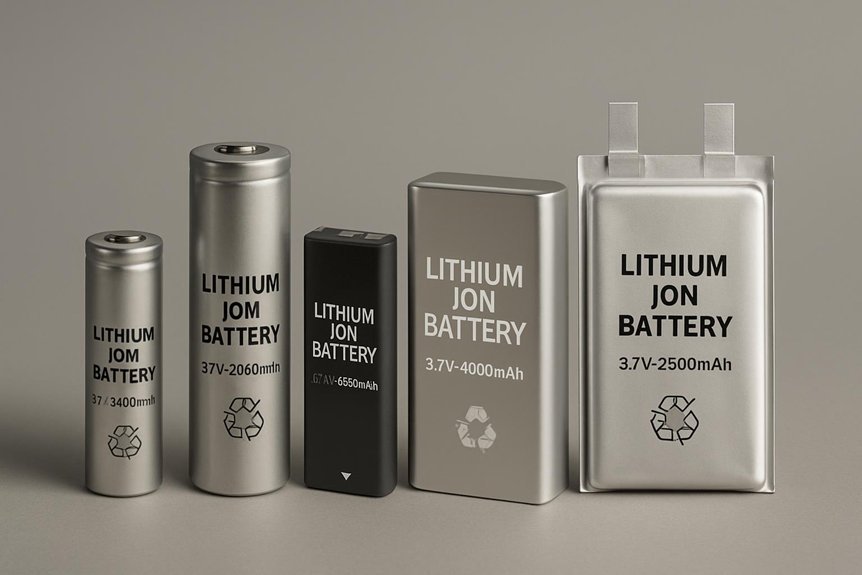
Understanding what you’re dealing with starts by identifying your Li‑ion battery’s type: look at form factors, cell arrangement, and the labeling on the package. We’ll guide you to identify form factors, assess how cells are arranged, and read labels accurately. Recognizing labeling conventions helps determine chemistry and safety requirements, which informs handling and storage safety, transport, and disposal decisions. We must distinguish between cylindrical, prismatic, pouch, and coin cells, then note whether modules combine multiple cells. We’ll highlight common labels, voltage, capacity, and safety marks, while avoiding guesses about unknown chemistries. By mapping form factors, cell chemistry distinctions, and labeling conventions, we align with regulatory expectations, reduce risk, and ensure compliant storage and pre-disposal steps. This foundation keeps you prepared for the next safety-focused stages.
Safe Handling and Prep for Disposal: Step-by-Step Before Recycling
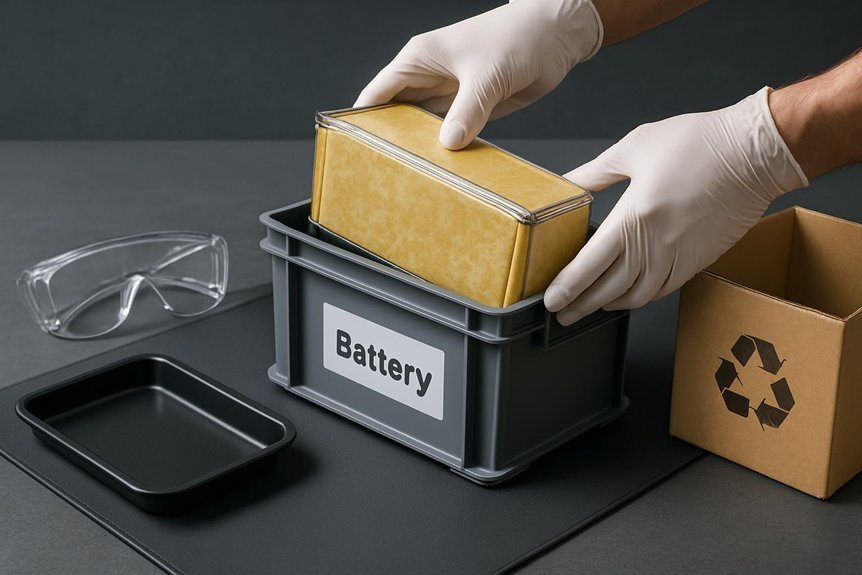
After identifying your Li-ion battery’s form and labeling, we’re ready to handle it safely before disposal. We follow strict disposal prep steps and emphasize safety handling to prevent hazards. Inspect for swelling, leaks, or corrosion; if observed, isolate and tag the item, then secure it for proper transport. Disconnect from devices, avoid puncturing, and place in a non-conductive, fire-resistant container. Keep batteries separated by chemistry when possible, and never mix with metals or flammable materials. Document the battery’s type and condition for regulators. Table imagery helps visualize safe prep:
| Step | Action | Purpose |
|---|---|---|
| Inspect | Look for damage | Early hazard detection |
| Isolate | Contain securely | Prevent leaks |
| Label | Record status | Compliance tracking |
This disposal prep and safety handling approach aligns with regulations and best practices.
Where and How to Recycle Li‑Ion Batteries: Local Programs and Take-Backs
Where can we recycle Li‑ion batteries, and how do local programs and take-back options work? We coordinate with authorized recyclers and follow regulations that govern battery status, labeling, and transport. Local programs exist through municipalities, retailers, and community centers, each offering clear drop-off points and acceptance criteria. Take-back schemes often require original packaging, proof of purchase, or standard pre-collection steps to ensure safety and compliance.
- We map recycling logistics to nearby facilities, timelines, and required documentation
- We connect you with community programs that accept batteries from households and small businesses
- We emphasize safe handling, pre-drop-off preparation, and adherence to regulatory guidance
This approach minimizes risk, improves throughput, and ensures compliant processing of Li‑ion batteries.
What to Do If a Battery Is Damaged or Fire Starts: Immediate Actions and Safety
If a Li‑ion battery is damaged or a fire starts, we shift from planning to action to protect people and property. Our immediate steps focus on safety, legal compliance, and rapid containment. If feasible, isolate the area to prevent access and evacuate as required by local regulations. Call emergency services for significant fires or uncontrolled overheating, and notify building management or the designated safety officer. Do not attempt to extinguish a large battery fire with water; use a class D or specialized extinguisher only if trained and available. Avoid breathing fumes; use PPE and evacuate to fresh air. Document the incident for regulatory reporting. Recognize the risk of dangerous burn and improvised fires, and prioritize disposal via approved programs after stabilization.
Frequently Asked Questions
How Long Do Li-Ion Batteries Last Before Disposal Becomes Necessary?
We expect li-ion batteries to last through their typical lifecycle expectations, but disposal becomes necessary when capacity degrades considerably or safety limits are reached; we monitor safety, regulatory guidance, and environmental impacts to determine replacement timing.
Can I Recycle Batteries From Multi-Device Packs Together?
Before you merge packs, we can’t; we must recycle carefully, so we can’t mix cells. We’ll follow recycling etiquette and labeling guidelines, and we’ll separate respectfully, prioritizing safety, regulatory compliance, and proper handling for all devices.
Do I Need to Remove Batteries From Devices Before Recycling?
Yes, we do recommend removing batteries from devices before recycling. Removal prior reduces risk, ensures device compatibility with recycling streams, and aligns with safety regs; always follow local guidance and store batteries safely until drop-off.
Are There Costs Associated With Li-Ion Battery Recycling?
Yes, there are costs. We notice recycling fees and processing tariffs, which affect upfront returns. We, jokingly, promise safety and compliance first, then guide you practically through regulations and proper handling to minimize liability and maximize responsible recycling.
What Certifications Should I Look for in Recycling Facilities?
We look for certification standards and facility accreditation, reader, to guarantee compliant recycling. We verify that the facility meets recognized certification standards and possesses current facility accreditation, aligning with safety requirements, regulatory oversight, and documented waste-handling procedures.
Conclusion
We’ll wrap this up with practical, safety-first clarity. Think of proper disposal like a compliance checklist you can’t skip: identify battery type, inspect for damage, isolate damaged units, and use non-conductive, fire‑resistant containers. When in doubt, use local take‑back programs and document every step. Example: a damaged laptop Li‑ion was isolated, tagged, and dropped at a certified e‑waste facility, preventing a puncture risk and a potential fire in the office. Safety and regulatory adherence protect people and the planet.