Did you know that only a fraction of used lithium batteries are recycled, despite the rising volume of devices and EVs? We assess the safety, economics, and technology behind recycling—covering collection, sorting, pretreatment, and both pyrometallurgical and hydrometallurgical methods—and weigh the real-world feasibility. We’ll explain how to identify trusted recyclers, what materials you can recover, and the practical steps to minimize risk, so you can decide what’s worth pursuing as you navigate disposal options.
Key Takeaways
- Yes, lithium batteries can be recycled, but feasibility depends on battery chemistry, age, and local facilities.
- Recycling involves collection, sorting, pretreatment, and separation to recover metals and plastics.
- Key outputs include metals (cobalt, nickel, lithium, copper), plastics, and electrolytes via hydrometallurgy or pyrometallurgy.
- Economics rely on direct costs, incentives, market demand, and scale; safety protocols influence outcomes.
- Prepare: keep cells intact, label, store in non-conductive fire-resistant containers, and avoid puncture or moisture exposure.
What Makes Lithium Battery Recycling Possible
Lithium battery recycling is made possible by four key features: the recoverability of valuable materials, the ability to safely separate components, established processing technologies, and a growing infrastructure of collection and reprocessing facilities. We analyze how each feature enables efficient loops from end-of-life packs to reusable inputs. The recoverability of metals like lithium, cobalt, and nickel drives economic incentives and policy support, while safe separation minimizes cross-contamination and worker risk. Established processing technologies—pyrometallurgical, hydrometallurgical, and direct recycling approaches—provide scalable pathways with defined input–output streams. A growing infrastructure of collection points, sorting streams, and refurbish-recycle pipelines reduces leakage and shortens supply chains. Two word discussion ideas help structure debates, while an irrelevant topic reminds us to stay focused on material flows and system reliability.
Why Recycling Lithium Batteries Protects People and the Planet
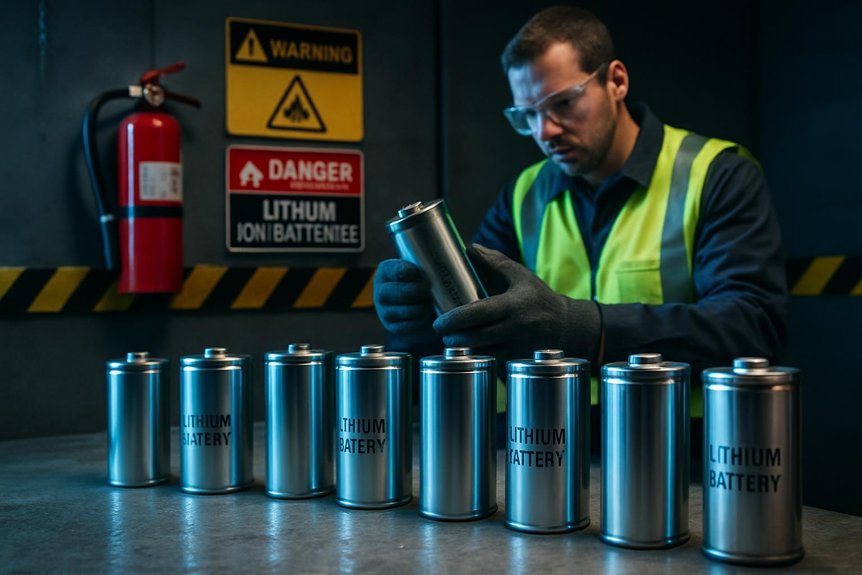
Recycling lithium batteries protects people and the planet by reducing hazardous exposure and preventing fires, leaks, and pollution during disposal. It also preserves materials, lowers mining demand, and supports safer handling and recycling workflows for workers and communities. By valuing both safety and resource recovery, we can discuss how each step—from collection to reprocessing—delivers measurable benefits.
Protecting People, Planet
Protecting people and the planet hinges on preventing harm from battery production, use, and end-of-life handling. We examine how recycling lithium batteries reduces exposure to toxic materials, lowers environmental contamination, and minimizes energy waste tied to raw material extraction. Evidence shows formal recycling mitigates fire risk, disperses hazardous components, and curtails improper disposal that harms communities. We quantify benefits through reduced emissions and avoided material losses, while acknowledging residual risks in processing streams. Recycling economics influence feasibility and scale, affecting workplace safety investments and community health protections. Policy impacts shape collection, standards, and funding, driving safer infrastructure and transparent reporting. Taken together, responsible recycling aligns technical safeguards with social and ecological objectives, strengthening public trust and steering industries toward safer, cleaner battery lifecycles.
Safe Handling, Recycling Value
Safe handling of lithium batteries is essential to minimize harm to people and the environment, while recognizing the recycling value that underpins safer, more sustainable flows of materials. We examine how correct practices reduce fire risk, leakage, and toxic exposure, supporting safer recycling streams. Evidence shows that proper segregation, packaging, and transport cut incidents and lower processing costs, improving overall recovery rates. We address disposal myths, clarifying that many devices aren’t hopelessly single-use and that responsible disposal, rather than neglect, yields value. Consumer incentives—consumer rebates, manufacturer take-back, and deposit schemes—drive higher return rates and better material quality. By aligning safe handling with transparent recycling value, stakeholders foster more efficient, ethical end-of-life management across the lithium battery lifecycle.
Types of Lithium Batteries and How Recycling Differs by Type
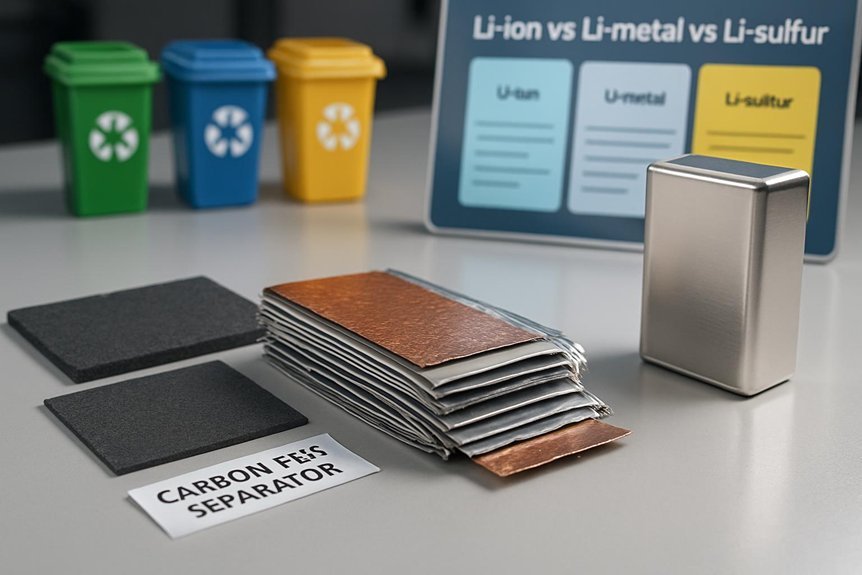
What makes recycling different for each lithium battery type is not just the chemistry but how it’s constructed and used. We examine several categories to understand best practices. Primary forms include consumer cylindrical and prismatic cells, pouch cells, and larger pack assemblies in EVs and stationary storage. Each category varies in electrode materials, electrolyte formulations, and packaging, which shape recycling approaches. In terms of battery chemistry, nickel-manganese-cobalt, lithium-iron-phosphate, and nickel-cobalt-aluminum chemistries present distinct recovery challenges and value streams. We assess how design choices influence dismantling, safety considerations, and material recovery rates. By recognizing these distinctions, we clarify why generic guidance is insufficient and why type-specific data improves recycling efficiency and environmental outcomes. This analysis foregrounds the need for precise categorization in policy and practice.
How Lithium Battery Recycling Works in Practice
How does lithium battery recycling work in practice, and what are the concrete steps from end-of-life to reclaimed materials? We compare collection, sorting, and pretreatment, then chemical and mechanical separation to recover metals, plastics, and electrolytes. Our evidence shows that pretreatment reduces fire risk and stabilizes materials for downstream processing, while hydrometallurgy and pyrometallurgy extract lithium, cobalt, nickel, and copper with varying efficiencies. Battery recycling is iterative: input materials are tested, shredded, and subjected to recovery steps, with final refinates refined for reuse. Performance depends on technology, feedstock, and safety protocols. Table below summarizes stages and outputs for clarity.
| Stage | Process | Output |
|---|---|---|
| Collection | Sorting, storage | Packaged batteries |
| Pretreatment | Disassembly, stabilization | Safe, ready-to-process |
| Recovery | Hydromet/pyro metallurgy | Reclaimed metals, plastics |
How to Prepare and Store Used Lithium Batteries Safely
Preparing and storing used lithium batteries safely requires a disciplined, evidence-based approach. We examine practical steps that minimize risk while preserving battery integrity. First, we segregate, label, and store only intact cells or packs in non-conductive, fire-resistant containers. We avoid puncturing, crushing, or exposing terminals to metals or moisture. We discharge lightly when feasible, and never transfer damaged packs into unapproved enclosures. We implement temperature control, keeping storage in a cool, dry, ventilated area away from heat sources and direct sunlight. For handling, we wear appropriate PPE and use tools with insulated grips. When transporting for recycling, we follow established protocols for safe transport and secure packaging. Fire safety measures include accessible extinguishers and clear closest exit routes. These practices reduce hazards and support responsible end-of-life management.
How to Find a Local Lithium Battery Recycler and What to Expect at Drop-Off
Finding a local lithium battery recycler starts with knowing what to look for after you’ve safely prepared and stored used batteries. We evaluate nearby options by verifying certifications, recycling capabilities, and compliance with environmental standards. Local regulations guide accepting methods, packing requirements, and whether facilities handle damaged packs or lithium-ion chemistries beyond consumer use. We compare hours, service models, and whether drop-off is appointment-based or walk-in, documenting any fees or limits. At the site, we assess staff guidance, visible safety practices, and posted handling instructions to confirm proper drop off etiquette. We recommend calling ahead to confirm accepted battery types and packaging rules, then follow labeled containers and separation procedures. Our approach emphasizes accuracy, consistency, and transparency to minimize risk and improve recovery outcomes.
Costs, Incentives, and What Materials You Can Recover
We examine the costs and incentives associated with lithium battery recycling, drawing on program data and market analyses to assess what owners pay and what recoveries exist. We then summarize which materials are typically recovered (such as metals and electrolyte constituents) and how their value affects overall feasibility. This framing sets up a careful look at economic trade-offs and practical implications for readers considering recycling options.
Costs And Incentives
What do the costs and incentives surrounding lithium battery recycling really look like, and how do they shape what materials can be recovered? We examine direct costs like collection, logistics, processing, and separation, alongside incentives such as regulatory credits, producer responsibility programs, and market demand for recycled metals. Economies of scale, battery chemistries, and facility proximity determine cost-efficiency and profitability, influencing which streams are prioritized. We note the risk of irreversible loss when degradation, safety requirements, or improper handling forces early disposal, reducing recoverable value. Incentives can tilt processing toward high-value metals (cobalt, nickel, lithium) while disfavouring low-value fractions. Yet policy alignment with technology improves material yield over time. We must avoid implying a guaranteed recovery path; battery luxury persists for niche streams, mandating careful, evidence-based decision-making.
Materials Recovered Overview
Materials recovered from lithium battery recycling depend on chemistry, battery age, and the processing stream. We assess yields, purity, and the downstream viability of each material, focusing on cost drivers and value capture. Our goal is to map how different chemistries affect recovery rates, processing energy, and environmental outcomes, while noting market demand and regulatory constraints. We examine materials recovered, such as active cathode/anode compounds, cobalt, nickel, lithium, manganese, copper, aluminum, and plastics from battery packaging, evaluating their recyclability and end-use applicability. Economic signals—transport, preprocessing, and refining costs—shape recycling economics and investment decisions. We also consider the potential for process improvements that boost material purity and reduce waste. The guidance informs policy, industry, and consumer choices.
- Material yields by chemistry and age
- Purity and market compatibility
- Processing energy and waste streams
- Recycling economics and cost drivers
- Battery packaging and plastics recovery
Common Myths and Practical Tips for Responsible Disposal
Common myths about lithium battery disposal persist, but understanding the facts helps us recycle more safely and effectively. We examine claims with evidence, noting where guidance aligns with best practices and where it diverges. Myth vs reality often centers on simplicity of disposal, cost, and safety, but data show that proper segregation, timely drop-off, and certified recyclers reduce contamination and environmental risk. We emphasize practical steps: separate damaged cells, avoid puncturing, and store upright in nonconductive, fire-resistant containers until disposal. Reuse potential varies by chemistry and condition, and while some components are recoverable, not all are economical to reclaim. We advocate for routine consumer vigilance, accurate labeling, and program participation, recognizing that responsible disposal supports higher material recovery rates and safer outcomes for communities.
Frequently Asked Questions
Are There Safety Concerns When Charging Damaged Lithium Batteries?
We are concerned safety when charging damaged lithium batteries; yes, there are significant risks. At home handling increases the chance of thermal runaway, fire, or chemical exposure, so avoid charging damaged cells and seek professional disposal or repair guidance.
Can Consumer Electronics’ Batteries Be Recycled at Home Programs?
Yes, some consumer electronics batteries qualify for home collection, but we must be cautious about sorting challenges; we’ll analyze evidence, explain risks, and guide you through safe prep, emphasizing proper disposal and local program requirements.
How Do Recycling Facilities Handle Cobalt and Nickel Extraction?
We extract cobalt and nickel through hydrometallurgical and pyrometallurgical processes, balancing recovery rates with purity and costs, reflecting recycling economics and supply chain ethics while optimizing environmental and social outcomes for stakeholders.
What Happens to Plastics From Lithium Battery Packaging?
We analyze plastics lifecycle, plastics lifecycle, and we analyze how packaging pollution affects outcomes, and we tell you that the plastics from lithium battery packaging are recycled where feasible, incinerated with energy recovery, or landfilled if local facilities lack capacity.
Do You Get Paid for Recycling Lithium Batteries or Parts?
We don’t get paid for recycling lithium batteries or parts, in most programs. Instead, we rely on foundational recycling economics and address consumer misconceptions to justify costs and improvements through evidence-based, objective practices with you.
Conclusion
We walk the shoreline of waste, where each battery is a tidepool of elements—cobalt, nickel, lithium—awaiting careful extraction. Our steps map the science: safe collection, sorting, pretreatment, and both pyrometallurgical and hydrometallurgical routes. The pebble of cost, the shell of regulations, and incentives guide our pace. By partnering with certified recyclers, we turn potential peril into renewed material. In this quiet economy of recovery, responsibility becomes the current we ride together.