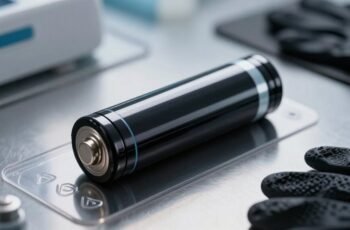
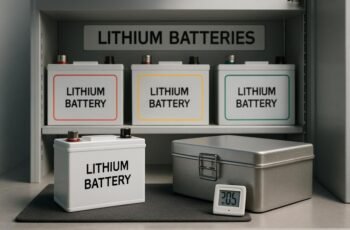
While lithium batteries power our devices efficiently, their potential for swelling introduces serious safety concerns. This physical change signals internal issues that can lead to catastrophic failures such as fires or explosions. Recognizing and managing these risks requires a precise understanding of the causes, proper handling procedures, and timely replacement. Addressing these safety concerns is vital to prevent accidents and protect both users and property—yet, the key details often remain overlooked.
Key Takeaways
- Swollen lithium batteries pose fire and explosion risks due to internal gas buildup and structural failure.
- Handling or puncturing swollen batteries can trigger thermal runaway and release hazardous chemicals.
- Swelling indicates internal damage, increasing the likelihood of leaks, short circuits, and device failure.
- Proper disposal by certified hazardous waste services is essential to prevent environmental and safety hazards.
- Regular inspection and early replacement prevent accidents caused by internal chemical reactions and deterioration.
What Causes Lithium Batteries to Swell?
Lithium battery swelling primarily results from internal chemical reactions that generate gas, often due to overcharging, overheating, or manufacturing defects. When a battery is overcharged, excess voltage causes instability in the electrode-electrolyte interface, leading to decomposition of electrolyte materials. Overheating accelerates these reactions, increasing gas production within the cell. Manufacturing defects, such as impurities or improper sealing, can create pathways for electrolyte degradation and gas buildup. As internal pressure rises, the casing expands, causing swelling. Additionally, repeated charge cycles and deep discharges can weaken internal components, promoting side reactions that produce gas. These processes compromise battery integrity and safety, emphasizing the importance of understanding the root causes behind swelling to prevent potential hazards.
How to Identify a Swollen Lithium Battery Safely
We can identify a swollen lithium battery through visible physical deformation, such as bulging or warping. Additionally, unusual behavior like rapid discharging, overheating, or unexpected shutdowns can indicate swelling. Recognizing these signs promptly is essential for safe handling and disposal.
Visible Physical Deformation
Visible physical deformation is one of the most straightforward indicators of a swollen lithium battery. It typically manifests as bulging, swelling, or warping of the device casing or battery compartment. These deformations occur due to gas buildup within the cell caused by internal chemical reactions, often from overcharging or aging. The deformation may be localized or affect the entire device, making it visibly distinct. It’s essential to inspect batteries regularly for any irregular shapes, as these changes compromise structural integrity and safety. When physical deformation is observed, the battery should be handled with extreme caution, isolated from conductive surfaces, and disposed of properly. Recognizing such signs early can prevent potential failures, fires, or explosions associated with compromised lithium batteries.
Unusual Battery Behavior
Unusual battery behavior often signals that a lithium battery may be swollen or compromised, even if no visible deformation is present. Sudden voltage drops, unexpected shutdowns, or difficulty charging are primary indicators. If a device exhibits inconsistent performance, such as rapid battery drain or extended charging times, these signs warrant suspicion. Additionally, abnormal heat generation during use or charging suggests internal issues. Be alert to strange noises, like hissing or bulging sounds, which can indicate internal pressure buildup. Importantly, avoid forcing the device to operate and refrain from using or charging the battery further. Recognizing these warning signs allows us to take prompt safety measures, preventing potential hazards associated with compromised lithium batteries.
Risks Associated With Swollen Lithium Batteries
Swollen lithium batteries pose significant safety risks, including the potential for fire and explosion due to internal chemical instability. These hazards can also cause damage to connected devices, leading to data loss or hardware failure. Understanding these risks underscores the importance of handling swollen batteries with caution and urgency.
Risk of Fire
Why do swollen lithium batteries pose such a significant fire risk? The swelling indicates internal damage, often from thermal runaway or electrolyte decomposition, which destabilizes the battery’s chemical composition. This structural compromise exposes reactive materials to external conditions, increasing the likelihood of ignition. When the internal pressure exceeds the casing’s tolerance, microcracks form, enabling heat and flammable gases to escape. These gases can ignite if exposed to sparks or high temperatures, rapidly escalating to a fire. Additionally, the compromised separator fails to contain the electrodes, promoting short circuits that generate intense heat. The combination of chemical instability, gas buildup, and physical deformation creates an environment primed for ignition, making swollen lithium batteries inherently hazardous and a significant fire risk if mishandled or subjected to external stimuli.
Potential for Explosion
How exactly do swollen lithium batteries pose an explosion risk? When a lithium battery swells, it indicates internal pressure buildup from gas generation due to thermal decomposition or electrolyte breakdown. This pressure weakens the cell’s structural integrity, increasing the likelihood of catastrophic failure. The risk of explosion arises from:
- Rapid gas expansion caused by internal shorts or overheating
- Accumulation of flammable electrolyte vapors
- Structural deformation leading to rupture
- Ignition of released gases if exposed to sparks or heat
- Increased internal pressure surpassing the cell’s containment limits
These factors create a volatile environment within the battery, making explosion a real threat if mishandled or damaged. Proper handling and disposal are critical to prevent such dangerous outcomes.
Damage to Devices
When a lithium battery begins to swell, it can cause significant damage to the device it powers, often compromising its functionality and safety. Swelling exerts pressure on internal components, leading to physical deformation, circuit damage, and potential loss of data. Moreover, the increased pressure can crack the device’s casing, exposing sensitive parts to environmental hazards. This damage may render the device unusable or necessitate costly repairs. The table below highlights common consequences:
| Damage Type | Impact |
|---|---|
| Physical deformation | Warped casing, misaligned components |
| Circuit damage | Malfunction, short circuits |
| Data loss | Corruption or permanent data removal |
Addressing swelling early prevents extensive damage and maintains device integrity.
Proper Steps to Handle a Swollen Battery
When encountering a swollen lithium battery, immediate and cautious action is essential to prevent potential hazards. First, avoid puncturing or applying pressure to the battery, as this could cause thermal runaway. Next, carefully disconnect the device from power sources and remove the battery using insulated tools. Place the swollen battery on a non-flammable, fire-resistant surface in a ventilated area, away from combustibles. Do not dispose of it in regular trash; instead, follow proper disposal protocols. Finally, contact local waste management or a certified hazardous material disposal service to handle the battery safely.
- Disconnect power sources immediately
- Use insulated tools for removal
- Transfer to a non-flammable container
- Keep in a well-ventilated area
- Contact professional disposal services
Preventing Battery Swelling Through Proper Maintenance
Proper maintenance of lithium batteries considerably reduces the risk of swelling and extends their lifespan. Regularly monitoring voltage levels ensures they stay within manufacturer-recommended ranges, preventing overcharging or deep discharging that can induce internal stress. Using chargers compatible with your battery’s specifications minimizes the risk of voltage spikes. Keeping batteries at ideal temperatures—typically between 20°C and 25°C—limits thermal stress that accelerates degradation. Avoiding exposure to high humidity and physical impacts reduces mechanical and environmental damage that can compromise internal components. Periodic calibration and diagnostic checks identify early signs of degradation, allowing timely intervention. By adhering to these precise maintenance practices, we greatly lower the likelihood of swelling, ensuring safer operation and a longer service life for lithium batteries.
When to Replace Your Lithium Battery for Safety
Have you ever wondered how to determine the right time to replace a lithium battery to guarantee safety? Recognizing signs of deterioration is critical. Replace the battery if you notice:
- Persistent swelling or bulging
- Unusual, excessive heat during use or charging
- Significant capacity loss or rapid discharge
- Cracks, leaks, or corrosion on terminals
- Difficulty in charging or failure to hold charge
These indicators suggest internal damage or compromised integrity, increasing the risk of thermal runaway or fire. Regular inspection and monitoring are essential. If any of these signs appear, immediate replacement is necessary to prevent safety hazards. Maintaining vigilance guarantees safe operation and prolongs device lifespan, minimizing the risk of catastrophic failure.
Frequently Asked Questions
Can a Swollen Battery Still Hold a Charge?
A swollen battery generally cannot hold a charge effectively because internal damage disrupts chemical reactions. We advise against recharging or using such batteries, as they pose safety hazards, including fire risk, and should be properly disposed of immediately.
Are There Specific Brands More Prone to Swelling?
Research indicates that certain brands, like Samsung and LG, have experienced higher failure rates linked to swelling. We observe manufacturing variations and quality control issues contributing to this, emphasizing the importance of selecting reputable brands and proper battery maintenance.
How Long Does It Take for Swelling to Develop?
Swelling in lithium batteries typically develops over days to weeks due to internal chemical reactions or damage. Factors like usage, charging habits, and manufacturing quality influence the timeline, but immediate action is essential once swelling is detected to prevent hazards.
Is It Safe to Use a Swollen Battery Temporarily?
Using a swollen battery is like walking on fragile ice; it’s unsafe. We advise against it because internal damage can cause leaks, fires, or explosions, risking personal safety and device integrity. Always replace swollen batteries promptly.
What Are the Environmental Impacts of Disposing of Swollen Batteries?
Disposing of swollen batteries can release toxic chemicals and heavy metals into the environment, contaminating soil and water. We must follow proper recycling procedures to minimize ecological harm, prevent pollution, and promote safe, responsible waste management practices.
Conclusion
In summary, handling swollen lithium batteries is vital—like defusing a ticking time bomb. Recognizing swelling early and following proper safety protocols can prevent dangerous incidents. Regular maintenance and prompt replacement are our best defenses against potential hazards. By staying vigilant and informed, we can protect ourselves and others from the destructive power of compromised batteries. Safety isn’t just a priority; it’s a responsibility we all share to guarantee a secure environment.