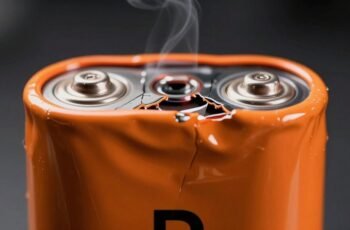
Some may assume that lithium battery safety is straightforward, but correctly managing short circuit risks requires detailed understanding and strict precautions. We need to recognize potential hazards, proper handling procedures, and preventive measures to avoid dangerous failures. Addressing these aspects is essential for safe operation and minimizing fire risks. The key to effective safety practices lies in consistent application and awareness, which is why examining best practices and common pitfalls is vital for anyone working with or storing lithium batteries.
Key Takeaways
- Always disconnect a battery immediately if you suspect a short circuit or notice overheating or swelling.
- Use insulated tools and non-conductive surfaces to handle batteries safely during inspection or removal.
- Store batteries in a cool, dry place away from metallic objects and environmental hazards to prevent accidental shorts.
- Avoid puncturing, crushing, or disassembling batteries, and never expose them to extreme temperatures.
- Dispose of damaged or swollen batteries at certified recycling centers following local hazardous waste regulations.
Understanding Lithium Battery Short Circuits and Their Risks
Understanding lithium battery short circuits requires recognizing that they occur when the internal or external pathways create an unintended low-resistance connection, allowing excessive current flow. This sudden surge bypasses the battery’s designed resistance, leading to rapid heat buildup and potential thermal runaway. Short circuits can result from manufacturing defects, physical damage, or improper handling, such as puncturing or crushing the cell. The increased current causes the internal temperature to spike sharply, risking electrolyte decomposition, electrode damage, and even fire or explosion. The rapid energy release can compromise the battery’s structural integrity, producing hazardous conditions. Recognizing these risks emphasizes the importance of proper handling, storage, and inspection to prevent the formation of unintended conductive pathways that can lead to dangerous short circuits.
How to Identify Signs of a Short Circuit in Your Lithium Batteries?
We can often detect a short circuit in a lithium battery through specific signs such as abnormal heating, swelling, or physical deformation. Unexpected power loss or sudden drops in performance also indicate potential issues. Recognizing these indicators promptly is essential for preventing safety hazards.
Unusual Battery Heating
Unusual heating in a lithium battery often signals an underlying short circuit, which can compromise safety and performance. When a short occurs, internal resistance increases sharply, causing rapid heat buildup. You may notice the battery’s surface temperature rising markedly above normal operating levels, often within minutes of use or charging. This localized heating can sometimes be detected through a warm or hot spot on the battery’s casing, especially near terminals or vulnerable areas. Persistent or uneven heating indicates a potential short circuit, as current bypasses intended pathways, generating excessive heat. Immediate action is essential; continued use risks thermal runaway, fire, or explosion. Regularly monitoring temperature during operation and charging helps identify abnormal heating early, preventing catastrophic failures.
Swelling or Deformation
How can you tell if your lithium battery has experienced a short circuit? One clear sign is swelling or deformation of the battery’s casing. Short circuits cause internal chemical reactions that generate excessive heat, leading to gas buildup within the cell. This pressure causes the outer casing to bulge, warp, or crack. Visible swelling, bulging, or misshapen form indicates internal damage and compromised integrity. Additionally, deformation may be accompanied by a distorted or uneven surface, which signals internal pressure release or rupture risk. It’s essential to recognize these physical signs promptly, as they suggest severe internal damage that could lead to thermal runaway or fire if ignored. Always handle swollen batteries carefully and replace them immediately to ensure safety.
Unexpected Power Loss
Have you noticed your device suddenly losing power during use? Unexpected power loss can indicate a short circuit within your lithium battery. Signs include abrupt shutdowns without warning, inconsistent performance, or rapid battery drainage. You should also watch for:
- Sudden temperature increases during operation
- Unusual hissing or bulging of the battery casing
- Visual signs like corrosion or discoloration on terminals
- A noticeable decrease in capacity over a short period
These indicators suggest internal damage or electrical faults caused by a short circuit. Recognizing these signs early helps prevent further damage or potential safety hazards. Always disconnect the battery immediately if you suspect a short circuit, and seek professional assessment before further use. Accurate identification minimizes risk and guarantees safe handling.
Essential Safety Precautions When Handling Lithium Batteries
To guarantee safety when handling lithium batteries, we emphasize proper handling techniques that prevent accidental damage or short circuits. Safe storage practices, including temperature control and secure containment, minimize risks during non-use periods. Additionally, establishing clear emergency response procedures allows for swift action if a safety incident occurs, reducing potential hazards.
Proper Handling Techniques
Handling lithium batteries with care is essential to prevent accidental short circuits and guarantee safety. Proper handling techniques minimize risks associated with electrical contact, mechanical damage, and environmental exposure. Always inspect batteries for damage before use, ensuring terminals are clean and free of debris. When handling, avoid applying excessive pressure or dropping the battery, which could compromise internal components. Use non-conductive tools to connect or disconnect terminals, preventing unintended electrical contact. Store batteries in a cool, dry environment and keep terminals covered with protective caps or insulating tape. Be cautious of conductive materials like jewelry or metal objects that could bridge terminals. Adhering to these precise handling practices reduces the risk of short circuits and enhances overall safety during battery management.
Safe Storage Practices
Proper storage of lithium batteries plays a vital role in maintaining safety and preventing accidents. We recommend storing batteries in a cool, dry environment, ideally between 20°C and 25°C, to minimize thermal stress and degradation. Always keep batteries away from direct sunlight, heat sources, and moisture, as these conditions increase the risk of thermal runaway. Use non-conductive containers or original packaging to prevent accidental short circuits and mechanical damage. Store batteries with terminals covered using non-conductive caps or tape to avoid contact with other metallic objects. Additionally, avoid storing damaged, swollen, or corroded batteries, as they pose heightened safety risks. Regular inspection and proper labeling also enhance safety and facilitate quick identification of potential issues.
Emergency Response Procedures
In the event of a lithium battery short circuit or thermal runaway, immediate and well-coordinated response actions are critical to minimizing damage and ensuring safety. First, isolate the affected battery from other components to prevent further escalation. Next, alert emergency services if fire or toxic fumes are present. Use appropriate fire suppression methods, such as a Class D extinguisher or copious amounts of water if safe, to suppress thermal runaway. Finally, ensure proper ventilation and monitor for additional heat or smoke. Key steps include:
- Isolate the battery and disconnect power sources
- Use suitable fire suppression methods, avoiding foam or ABC extinguishers
- Ventilate the area to disperse potentially hazardous fumes
- Seek professional disposal and inspection before reuse
Adhering to these procedures minimizes risks and enhances safety during lithium battery emergencies.
Best Practices for Charging Lithium Batteries Safely
To guarantee lithium batteries are charged safely, we must adhere to specific best practices that minimize risk. Always use chargers approved by the battery manufacturer, ensuring proper voltage and current limits. Avoid overcharging by disconnecting once full; monitor temperature and voltage throughout charging. Store batteries in a cool, dry environment during charging to prevent thermal runaway.
| Charging Parameter | Recommended Setting | Critical for Safety? |
|---|---|---|
| Voltage Limit | Manufacturer-specific | Yes |
| Current Limit | 0.5C to 1C | Yes |
| Temperature Range | 0°C to 45°C | Yes |
Following these guidelines helps prevent overcurrent, overheating, and potential short circuits during charging.
How to Prevent Short Circuits During Battery Storage and Transportation?
Since short circuits can occur unexpectedly during storage and transportation, implementing effective preventative measures is essential to guarantee safety. Proper packaging minimizes risk by isolating battery terminals and preventing accidental contact. Using specialized containers with insulating materials reduces the chance of external conductive contact. Ensuring batteries are stored in a dry, temperature-controlled environment prevents thermal or electrical anomalies. Additionally, clearly labeling batteries as “Do Not Short” alerts handlers to maintain caution.
- Use non-conductive, insulated packaging materials
- Secure batteries to prevent movement and terminal contact
- Store batteries separately from conductive objects and metals
- Maintain stable temperature and humidity levels during transit
What to Do Immediately If You Suspect a Short Circuit?
When you suspect a short circuit in a lithium battery, immediate action is crucial to prevent thermal escalation or potential fire. First, disconnect the battery from any connected devices or chargers using insulated tools, if possible, to eliminate electrical load without risking contact. Avoid direct contact with the battery’s terminals or any visible damage, as this could trigger sparking or further shorting. If safe, place the battery on a non-flammable, fire-resistant surface, such as a concrete floor, away from combustible materials. Do not attempt to puncture, crush, or disassemble the battery. Monitor the battery closely for signs of overheating, swelling, or smoke. If the battery shows any of these signs, evacuate the area and contact emergency services immediately.
Proper Disposal and Recycling of Damaged Lithium Batteries
Proper disposal and recycling of damaged lithium batteries are vital steps to prevent environmental contamination and reduce safety risks. Damaged batteries contain hazardous materials that can leak or ignite if mishandled. To guarantee safety, always follow established protocols:
Proper disposal of damaged lithium batteries prevents environmental harm and safety hazards.
- Transport damaged batteries in non-conductive, fire-resistant containers.
- Avoid puncturing, crushing, or exposing batteries to extreme temperatures.
- Use certified recycling facilities equipped to handle lithium-ion cells.
- Comply with local regulations for hazardous waste disposal.
Proper handling minimizes the risk of thermal runaway, chemical leakage, and environmental pollution. It’s essential to identify damaged batteries accurately and prevent unauthorized disposal. Recycling reduces raw material extraction and supports sustainable resource management, making it a fundamental part of responsible lithium battery lifecycle management.
Common Mistakes That Increase the Risk of Short Circuits
Many common handling and storage practices can unintentionally increase the risk of short circuits in lithium batteries. For example, exposing batteries to conductive materials, such as metal tools or jewelry, can create accidental bridges between terminals, leading to a short circuit. Improper stacking or packaging, like loose placement in bags or containers without insulation, also heightens this risk. Additionally, physical damage from impacts or crushing compromises internal separators, increasing the chance of internal shorts. Overcharging or using incompatible chargers can cause thermal runaway, which may result in short circuit conditions. Ultimately, neglecting to inspect batteries regularly for damaged or exposed terminals allows unnoticed hazards to persist, raising the likelihood of short circuits during handling or storage. These mistakes underscore the importance of careful handling and appropriate storage protocols.
Selecting Safe Lithium Battery Products and Accessories
Selecting lithium battery products and accessories requires careful consideration to guarantee safety and reliability. We must assure the components meet strict standards and are compatible with each other to prevent malfunctions and hazards. When choosing batteries and accessories, prioritize items with verified certifications such as UL, IEC, or UN38.3 compliance. Additionally, verify that connectors, protective circuits, and casing materials are designed to withstand operational stresses.
- Opt for reputable manufacturers with transparent safety testing records
- Confirm that batteries have built-in protection features (overcurrent, overvoltage, thermal cutoff)
- Use accessories specifically designed for your battery’s chemistry and capacity
- Avoid generic or unbranded components lacking standardized safety data
This careful selection process minimizes risks and enhances overall safety.
Educating Yourself and Others About Lithium Battery Safety
Understanding lithium battery safety begins with education—both for ourselves and those around us. Knowledge of proper handling, charging, and storage minimizes risk. It is crucial to recognize warning signs of damage or malfunction. Sharing this information ensures a safer environment for everyone. To facilitate understanding, consider the following key safety concepts:
| Safety Concept | Explanation |
|---|---|
| Proper Charging | Use approved chargers and avoid overcharging. |
| Physical Inspection | Regularly check batteries for swelling, corrosion, or damage. |
| Safe Storage | Store in cool, dry, well-ventilated areas away from flammable materials. |
Frequently Asked Questions
Can External Damage Cause Lithium Battery Short Circuits?
External damage can indeed cause lithium battery short circuits by compromising internal separators or casing, leading to internal bridge formation. We recommend inspecting batteries regularly for physical damage and avoiding impacts or punctures to prevent short circuit risks.
Are There Specific Storage Conditions to Prevent Short Circuits?
We guarantee proper storage by keeping batteries in a cool, dry environment, away from metal objects and conductive materials, and avoiding physical damage. Proper insulation prevents accidental short circuits and maintains battery integrity over time.
How Long Do Lithium Batteries Typically Take to Short Circuit?
Lithium batteries can short circuit instantly, often in less than a second if damaged or improperly handled. We recommend careful inspection, proper storage, and avoiding conductive materials to prevent rapid, catastrophic failure that’s as quick as lightning.
Are Some Lithium Batteries More Prone to Short Circuits Than Others?
Some lithium batteries are more prone to short circuits due to design, quality, or manufacturing flaws, which can increase internal resistance or cause insulation failures. We recommend choosing high-quality batteries and inspecting them regularly to minimize risks.
What Are the Legal Regulations for Handling Damaged Batteries?
Handling damaged batteries requires strict adherence to regulations, including proper disposal and reporting. We follow OSHA, EPA, and local laws, ensuring safety protocols are in place, because safety isn’t something to take lightly when dealing with hazardous materials.
Conclusion
By understanding the risks and adhering to safety protocols, we can safeguard ourselves and those around us. Think of each lithium battery as a delicate balance—one misstep can ignite chaos. Let’s prioritize proper handling, vigilant inspection, and responsible disposal. Through informed actions, we don’t just prevent accidents; we protect lives and preserve our environment. Safety isn’t just a practice; it’s a shared commitment to a safer, brighter future.