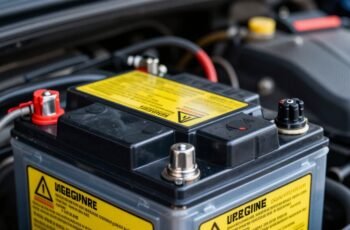
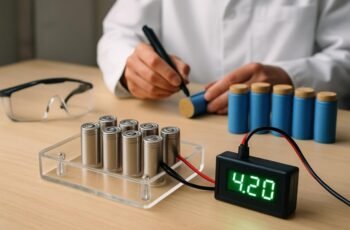
We recognize that preventing lithium battery overheating is critical for safety and performance. Proper management involves more than just choosing quality components; it requires careful attention to charging practices, thermal regulation, and regular maintenance. Ensuring these measures are in place can greatly reduce risks and extend battery lifespan. As we explore effective strategies, you’ll find that proactive steps make a considerable difference in maintaining reliable operation and avoiding potential hazards.
Key Takeaways
- Use thermal management components like thermal pads and ventilation covers to dissipate heat effectively.
- Avoid overcharging and discharging batteries beyond recommended voltage and capacity limits.
- Store batteries in cool, dry environments away from direct sunlight and high temperatures.
- Regularly inspect batteries for physical damage, swelling, corrosion, or abnormal odors.
- Choose high-quality chargers with proper voltage and current ratings to prevent overheating during charging.
How Overheating Affects Lithium Battery Performance
Overheating considerably impairs lithium battery performance by accelerating degradation processes within the cells. Elevated temperatures cause electrolyte decomposition, which reduces ionic conductivity and increases internal resistance. This leads to diminished capacity, reduced power output, and shortened lifespan. Heat accelerates the growth of solid electrolyte interphase (SEI) layers on anode surfaces, resulting in irreversible capacity loss. Additionally, thermal stress promotes electrode material breakdown, increasing the risk of internal short circuits. Over time, these effects compound, causing capacity fade and potential safety hazards. Maintaining ideal operating temperatures is vital; excessive heat induces chemical and structural changes that compromise battery integrity. Hence, understanding the precise impact of temperature on electrochemical stability is essential for designing effective thermal management strategies.
Common Causes of Lithium Battery Overheating
Several factors contribute to lithium battery overheating, often stemming from improper handling, design flaws, or operational conditions. Overcharging is a primary cause, as it exceeds the battery’s voltage threshold, generating excessive heat and risking thermal runaway. Internal short circuits, caused by manufacturing defects or physical damage, create localized heat buildup. High discharge rates also elevate temperature due to increased internal resistance, especially during rapid charging or heavy load demands. Exposure to high ambient temperatures accelerates heat accumulation within the battery, impairing thermal management. Additionally, poor-quality or incompatible chargers can supply inconsistent power, leading to uneven heating. Ultimately, prolonged storage at elevated temperatures or physical impacts can compromise internal components, increasing the likelihood of overheating during operation. Understanding these causes helps in developing effective prevention strategies.
Recognizing Signs of Overheating in Your Battery
Recognizing the early signs of battery overheating is essential to prevent potential failures or safety hazards. Elevated surface temperatures are a primary indicator; feel for abnormal warmth or heat buildup during operation. Swelling or bloating of the battery casing signals internal gas generation, often caused by thermal stress. Unusual smells, such as a chemical or burnt odor, may indicate electrolyte decomposition or thermal runaway. Audible signs like hissing or popping sounds can also precede failure. Discoloration, melting, or deformation of the battery casing suggests severe overheating. Additionally, a noticeable decline in performance, such as reduced capacity or voltage inconsistencies, often correlates with thermal issues. Prompt detection of these signs enables timely intervention, reducing the risk of catastrophic failure or safety hazards.
Best Practices for Charging Lithium Batteries Safely
To guarantee the safe charging of lithium batteries, it is essential to follow manufacturer-recommended procedures and use appropriate charging equipment. Always utilize chargers specifically designed for lithium-ion or lithium-polymer batteries, ensuring compatibility with voltage and current specifications. Use a charger with built-in safety features such as overvoltage, overcurrent, and temperature regulation to prevent overheating. Avoid rapid or fast charging unless explicitly supported by the manufacturer, as it can generate excessive heat. Monitor charging sessions closely, and disconnect the battery once fully charged to prevent overcharging. Store and charge batteries in a well-ventilated area away from flammable materials. Regularly inspect charging equipment for damage and replace faulty components immediately to maintain safety and prevent potential overheating.
Keeping Batteries Cool During Use and Storage
Keeping lithium batteries cool during use and storage is essential for preventing overheating and maintaining ideal performance. Proper thermal management reduces internal resistance, prolongs lifespan, and minimizes safety risks. To optimize temperature control:
- Store batteries in a cool, dry environment, ideally between 15°C and 25°C, avoiding direct sunlight.
- Use thermal insulation or heat sinks during high-current applications to dissipate excess heat.
- Limit exposure to rapid temperature fluctuations which can induce stress and damage internal structures.
- Guarantee adequate ventilation around batteries during operation to facilitate heat exchange with ambient air.
Implementing these measures ensures consistent performance, reduces thermal degradation, and enhances overall safety in lithium battery use and storage.
Choosing the Right Environment for Your Batteries
Selecting an appropriate environment for your lithium batteries is critical to guarantee ideal performance and safety. Ideal conditions involve maintaining stable temperatures within manufacturer-recommended ranges, typically between 20°C and 25°C. Avoid environments with high humidity, which can promote corrosion and compromise electrical insulation, and extreme temperatures that accelerate chemical degradation. Assure proper ventilation to prevent heat buildup during operation and storage; inadequate airflow can lead to localized overheating. Additionally, store batteries away from direct sunlight, heat sources, and conductive materials that could cause short circuits. Consistent monitoring of environmental conditions helps prevent thermal stress, prolongs battery lifespan, and reduces the risk of overheating. Precise control of ambient temperature and humidity is essential for maintaining battery integrity and operational safety.
Using Protective Accessories to Prevent Overheating
Protective accessories such as heat-resistant cases, thermal padding, and ventilation covers are essential in managing battery temperatures. These components help dissipate heat and prevent thermal buildup during operation. Implementing these measures enhances safety and extends battery lifespan.
Use Heat-Resistant Cases
Using heat-resistant cases is an effective strategy to mitigate lithium battery overheating, especially during high-demand usage or in hot environments. These cases are engineered with materials that dissipate heat efficiently, reducing internal temperature buildup. When selecting a heat-resistant case, consider the following factors:
- Material Composition: Opt for cases made from thermally conductive, flame-retardant compounds for ideal heat transfer.
- Ventilation Design: Ensure the case incorporates vents or airflow channels to facilitate heat dissipation.
- Thickness and Density: Choose cases with appropriate thickness to balance protection and thermal management without impeding device operation.
- Compatibility: Confirm the case fits the device precisely to prevent heat trapping and allow for effective heat transfer.
Properly selected heat-resistant cases contribute considerably to maintaining safe operating temperatures.
Apply Thermal Padding
Have you considered how thermal padding can actively reduce lithium battery overheating? Thermal padding acts as a heat barrier, dispersing excess heat away from critical components and maintaining a stable temperature. By applying high-quality thermal pads directly between the battery and its enclosure, we improve heat conduction, preventing localized hot spots that can accelerate thermal runaway. These pads are made from thermally conductive materials like silicone or phase-change compounds, which absorb and dissipate heat efficiently. Proper placement guarantees ideal contact, reducing thermal resistance and enhancing cooling performance. Regular inspection and replacement of worn or degraded pads are essential for consistent thermal regulation. Incorporating thermal padding into your battery management system effectively minimizes overheating risks, prolonging battery lifespan and ensuring safe operation.
Install Ventilation Covers
Installing ventilation covers is a proactive measure to enhance airflow and prevent lithium battery overheating. Proper installation guarantees heat dissipation and reduces thermal buildup within battery compartments. When selecting ventilation covers, consider the following factors:
- Material Composition: Use heat-resistant, durable materials like aluminum or high-grade plastics to withstand elevated temperatures.
- Design Specifications: Opt for covers with perforations or vents that optimize airflow without compromising structural integrity.
- Size Compatibility: Ensure covers match the dimensions of the battery enclosure to prevent gaps that could restrict airflow.
- Secure Mounting: Use appropriate fasteners to prevent dislodgement due to vibrations or thermal expansion, maintaining consistent ventilation.
Implementing these technical considerations enhances cooling efficiency and mitigates overheating risks effectively.
How to Properly Maintain and Inspect Your Batteries
Proper upkeep and regular inspection of lithium batteries are essential for ensuring safe operation and longevity. Consistently check for signs of physical damage, corrosion, or swelling. Confirm terminals are clean, tight, and free of debris. Monitor voltage and temperature levels using calibrated instruments; abnormal readings can indicate internal issues. Additionally, follow a scheduled maintenance plan to verify electrolyte levels and inspect for leaks. The table below summarizes key inspection parameters:
| Parameter | Inspection Method | Acceptable Range / Condition |
|---|---|---|
| Voltage | Multimeter | Within manufacturer specifications |
| Temperature | Infrared thermometer | Within safe operational limits |
| Physical Damage | Visual inspection | No cracks, swelling, or corrosion |
| Terminal Integrity | Tightness check | No looseness or corrosion |
| Electrolyte Levels | Visual or sensor-based measurement | At recommended levels or voltage |
Regular, precise inspections prevent overheating risks and extend battery life.
What to Do If Your Battery Overheats
When a lithium battery begins to overheat, immediate action is crucial to prevent potential safety hazards or damage. First, disconnect the battery from any power source to halt current flow. Second, move the device to a well-ventilated, cool area, avoiding flammable surfaces. Third, if safe, use a non-conductive object to carefully detach the battery from the device. Fourth, monitor for signs of swelling, smoke, or unusual odors. Do not attempt to puncture or expose the battery to water, as this can cause thermal runaway. If the battery shows persistent overheating or damage, dispose of it according to hazardous waste protocols. Prompt, controlled responses are essential to mitigate risks and prevent fire or chemical leaks.
Tips for Extending Your Battery’s Lifespan and Safety
To maximize your lithium battery’s lifespan and guarantee safety, it’s essential to adopt best practices that minimize stress and wear on the cell chemistry. Proper charging, avoiding extreme temperatures, and preventing deep discharges are critical. Maintaining ideal charge levels (around 20-80%) reduces degradation. Regularly monitoring temperature and avoiding exposure to high heat extend cell integrity. Using quality chargers and avoiding rapid charging cycles further preserve battery health. The table below highlights key factors influencing lifespan and safety:
| Factor | Impact | Best Practice |
|---|---|---|
| Temperature | Accelerates aging, risks overheating | Keep between 20-25°C |
| Charge Level | Excessive or low charge stresses cells | Maintain 20-80% charge |
| Charging Rate | Rapid rates cause thermal stress | Use slow, controlled charging |
Adhering to these practices ensures longevity and minimizes safety risks.
Frequently Asked Questions
How Do Temperature Fluctuations Impact Lithium Battery Safety?
Temperature fluctuations can cause lithium batteries to expand and contract, stressing internal components, increasing the risk of thermal runaway, and degrading overall safety. We recommend maintaining stable temperatures to guarantee ideal performance and prevent potential hazards.
Are There Specific Brands With Better Overheating Protections?
Absolutely, we recommend brands like Samsung, LG, and Panasonic, known for integrating advanced thermal management systems. These companies prioritize safety features, making their batteries more resistant to overheating, much like a well-shielded fortress in technology’s battlefield.
Can Overcharging Cause Lithium Batteries to Overheat?
Yes, overcharging causes lithium batteries to overheat by exceeding the charge voltage, leading to thermal instability. We recommend using chargers with built-in protection circuits to prevent overcharge, ensuring safe operation and prolonging battery lifespan.
What Are the Long-Term Effects of Frequent Overheating?
Frequent overheating gradually degrades lithium batteries, causing capacity loss and increased safety risks. Over time, this deterioration can lead to sudden failures, potentially damaging devices or causing fires, emphasizing the importance of diligent thermal management.
Are There Advanced Cooling Technologies for Lithium Batteries?
We utilize advanced cooling technologies like liquid cooling systems, phase change materials, and heat pipes to efficiently manage lithium battery temperatures, ensuring the most favorable performance and safety by rapidly dissipating heat and preventing thermal runaway during high-demand operations.
Conclusion
By following these preventive measures, we can keep our lithium batteries safe and reliable, avoiding the fiery breath of overheating. Regular inspections, proper charging, and effective thermal management act as our shield against potential hazards. Remember, a well-maintained battery isn’t just a power source—it’s the silent guardian of your devices’ longevity and safety. Let’s treat our batteries with the respect they deserve, ensuring they serve us faithfully without risking our peace of mind.