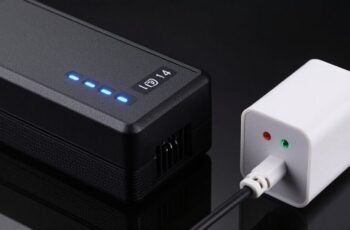
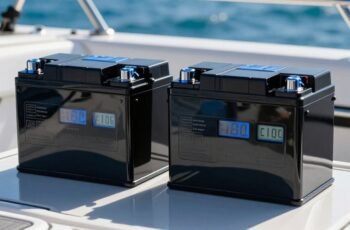
When we compare motorcycle lithium batteries with AGM batteries, we need to weigh more than purchase price. Lithium reduces weight, offers high energy density, and can deliver strong starting performance, while AGM provides proven reliability, simpler compatibility, and lower upfront cost. Temperature, charging requirements, maintenance, and expected service life also affect the decision. We’ll examine these factors closely to determine which battery better fits your motorcycle and riding conditions.
Key Takeaways
- Lithium motorcycle batteries are lighter, deliver stronger warm-weather cranking power, and provide a higher power-to-weight ratio than AGM batteries.
- AGM batteries offer reliable cold-weather performance, broad compatibility, and predictable power delivery across varying temperatures.
- Lithium batteries typically last longer, resist sulfation, self-discharge slowly, and tolerate deeper discharges when properly managed.
- AGM batteries cost less initially and work with most standard motorcycle charging systems, making them practical for budget-conscious riders.
- Choose lithium for weight savings and longevity; choose AGM for affordability, cold-weather reliability, and simple compatibility.
Motorcycle Lithium Battery vs AGM at a Glance
A motorcycle lithium battery is lighter, has a lower self-discharge rate, and typically delivers stronger cranking performance than an AGM battery, while AGM provides a lower upfront cost, broad charging-system compatibility, and more forgiving maintenance requirements. At a glance, we should treat these as different design priorities rather than direct equivalents. Lithium chemistry reduces mass and packaging volume, which can benefit motorcycles where weight distribution matters. AGM technology uses immobilized electrolyte and sealed construction, providing predictable installation and practical resistance to vibration. We’ll also find that battery selection depends on the motorcycle’s electrical architecture, available space, starting demand, and charging-system behavior. Lithium batteries generally require a compatible charging profile and protection circuitry. AGM batteries tolerate conventional motorcycle charging systems more broadly, making them a straightforward replacement when compatibility and simplicity guide our decision.
How Lithium and AGM Batteries Compare
When we compare lithium and AGM batteries directly, we’ll find that each makes different trade-offs in weight, power delivery, durability, charging compatibility, and cost. Lithium units typically weigh 60–70% less and occupy less space, while AGM batteries provide greater tolerance for cold storage, vibration, and charging-system variation. Lithium chemistry generally offers longer cycle life when properly managed, but it requires a compatible charger and a battery-management system. AGM technology accepts standard motorcycle charging equipment and usually costs less initially, although its service life can shorten under deep discharge or sustained heat.
- Weight: Lithium reduces motorcycle mass and simplifies installation.
- Maintenance: AGM is largely maintenance-free; lithium needs voltage-aware charging.
- Value: Lithium may repay its premium through lower weight and longer life.
We should verify terminal layout, charging voltage, physical dimensions, and manufacturer requirements before choosing either battery.
Which Battery Delivers Better Starting Power?
We’ll compare lithium and AGM batteries by their cold-cranking performance and rated starting current. Lithium batteries typically deliver stronger initial output, while AGM batteries provide dependable current across a wider range of conditions. We’ll examine how temperature, battery capacity, and motorcycle requirements affect the starting-power comparison.
Cold-Cranking Performance
Cold-cranking performance depends on how much current a battery can deliver while maintaining sufficient voltage in low temperatures. We should compare rated cold-cranking amps (CCA), internal resistance, and temperature behavior rather than relying on capacity alone. AGM batteries generally retain predictable output as temperatures fall, although their available CCA decreases progressively. Lithium batteries often provide higher power-to-weight ratios, yet their cold performance depends strongly on chemistry and battery-management design. Before judging either type, we should check these factors:
- Temperature rating: Confirm the manufacturer’s specified starting range.
- CCA measurement: Compare ratings tested under the same standard.
- Warm-up behavior: Some lithium batteries require a brief load to activate cells.
At freezing temperatures, lithium voltage may initially sag, then improve after activation. AGM output remains immediately available but may require greater mass and capacity to match sustained performance.гьыл
Starting Power Comparison
Starting power depends on whether the battery can deliver sufficient current without excessive voltage drop during cranking. We’ll compare lithium and AGM batteries by available current, voltage stability, and practical engine response.
| Battery | Starting-power behavior |
|---|---|
| Lithium | High cranking current; minimal voltage sag when warm |
| AGM | Strong, consistent output; greater sag under heavy load |
Lithium batteries generally deliver more starting power per pound because their lower internal resistance supports higher current and steadier voltage. That advantage produces faster starter-motor speed, particularly on performance motorcycles. However, cold temperatures can temporarily reduce lithium output; we may need to activate the battery with the headlights before cranking. AGM batteries remain dependable across broader conditions and tolerate repeated starts well, but their voltage falls more noticeably as temperatures drop or charge declines. We should thus choose lithium for maximum, lightweight starting performance, while AGM remains the more forgiving option for cold-weather reliability and imperfect maintenance.
Lithium vs AGM Battery Life and Maintenance
Lithium batteries typically last longer than AGM batteries because they tolerate deeper discharge cycles and resist sulfation, but their service life still depends on charging practices, temperature, and vibration. We’ll maximize either battery’s longevity by maintaining secure connections and preventing parasitic drain.
Lithium batteries often last longer, but proper charging, temperature control, secure connections, and minimizing parasitic drain extend either battery’s service life.
- Charging: Use a lithium-compatible charger with a battery-management system; AGM batteries require regulated lead-acid charging. We shouldn’t leave either battery chronically undercharged or overcharged.
- Maintenance: Lithium units are generally maintenance-free, while AGM batteries need periodic voltage checks and terminal inspection. Neither design requires adding water.
- Installation: We must match the battery’s capacity, charging-system limits, and physical fit. Excessive vibration can damage cells, terminals, or internal plates.
AGM batteries often provide predictable, lower-cost service, whereas lithium batteries offer longer cycle life and reduced weight. Manufacturer specifications should determine replacement intervals and charging procedures.
How Cold Weather Affects Both Batteries
Temperature adds another variable to battery performance, especially when we’re starting a motorcycle after it sits outdoors. Cold increases electrolyte viscosity and slows electrochemical reactions, reducing available capacity in both AGM and lithium batteries. AGM batteries typically deliver predictable, gradual losses as temperatures fall, although their starting current and capacity decline markedly below freezing.
Lithium batteries behave differently. Their cells can retain substantial stored energy in cold conditions, but internal resistance rises, limiting discharge current. We shouldn’t draw heavily from a cold lithium battery immediately; powering the motorcycle briefly can generate internal heat, provided the battery’s management system permits that function. Charging requires greater caution: lithium cells generally shouldn’t accept charge below freezing because plating can damage them. AGM batteries tolerate cold charging better, though charging becomes slower. Either type benefits from insulation, a fully charged state, and avoiding prolonged exposure to extreme temperatures.
Which Motorcycle Battery Should You Choose?
To choose between lithium and AGM, we’ll compare battery performance under real riding conditions, including cold-start capability and service life. We’ll also evaluate purchase cost, charging requirements, and long-term value. Finally, we’ll identify which option best matches your motorcycle, usage pattern, and maintenance preferences.
Battery Performance
Which motorcycle battery should you choose for the best performance? We should compare how each chemistry delivers current, handles temperature, and supports repeated starting cycles. Lithium batteries generally provide higher energy density, lower weight, and strong cranking output relative to their size. AGM batteries supply dependable starting power, tolerate vibration well, and perform predictably across typical riding conditions. However, lithium chemistry can lose available output in cold weather, requiring a brief electrical warm-up before starting. AGM voltage also declines more noticeably as the battery discharges, while lithium maintains a flatter voltage curve.
- Starting power: Lithium usually offers a stronger power-to-weight ratio.
- Temperature response: AGM is more consistent in cold conditions.
- Electrical stability: Lithium maintains voltage more effectively under load.
We should match the battery’s specifications to the motorcycle’s starter demand and charging system.
Cost And Maintenance
Beyond performance, we should compare purchase price, service requirements, and expected replacement intervals. AGM batteries generally cost less initially, making them practical for budget-conscious riders. However, they may require periodic charging, terminal inspection, and replacement sooner if repeatedly discharged or exposed to heat. We should also account for AGM self-discharge during storage, which can demand a maintenance charger.
Lithium batteries usually cost more upfront, but their lower self-discharge and longer cycle life can reduce ownership costs. We shouldn’t assume they’re maintenance-free: we must use a compatible lithium charger, protect them from deep discharge, and verify charging-system voltage. Lithium batteries also need appropriate cold-weather procedures. For frequent riders seeking minimum weight and potentially longer service, lithium can justify its price. For simple installation and lower initial expense, AGM remains the safer value.
Frequently Asked Questions
Can Lithium and AGM Batteries Be Safely Charged With the Same Charger?
Usually, we can’t safely charge lithium and AGM batteries with the same charger. We should use a lithium-compatible charger for lithium batteries and an AGM-specific setting for AGM, following each manufacturer’s voltage and charging requirements.
Are Lithium Batteries Compatible With Motorcycles Equipped With Battery Management Systems?
Yes, we can use lithium batteries in motorcycles with battery-management systems, provided the battery’s BMS supports the motorcycle’s charging voltage and current. We’ll verify compatibility, connector polarity, charging profiles, and manufacturer specifications first.
How Should You Dispose of Old Lithium or AGM Motorcycle Batteries?
We should take old lithium or AGM batteries to certified recycling centers or hazardous-waste facilities, not household trash. We’ll prevent short circuits, protect terminals, keep batteries upright, and follow local transport regulations.
Can Installing a Lithium Battery Affect My Motorcycle’s Warranty?
We’ll cut to the chase: installing a lithium battery may affect warranty coverage if it causes damage or violates specifications. We should check your owner’s manual, confirm compatibility, and retain professional installation records.
What Safety Precautions Are Needed When Storing Either Battery Indoors?
We store either battery upright in a cool, dry, ventilated area, away from flames, sparks, and children. We disconnect terminals, prevent short circuits, and periodically inspect for swelling, leakage, corrosion, or damage before reinstallation.
Conclusion
We’ve learned that choosing between lithium and AGM isn’t a ceremonial duel between futuristic technology and a dependable brick. Lithium batteries reduce weight, deliver strong starting performance, and typically last longer, while AGM units offer lower cost, simpler compatibility, and reliable cold-weather service. We should match the battery to our motorcycle’s charging system, climate, riding habits, and budget. In other words, we shouldn’t buy the flashiest battery—unless shedding grams matters more than shedding money.