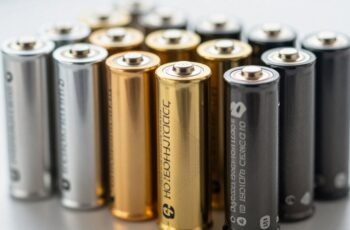
Lithium batteries are a double-edged engine: they store energy efficiently, yet they demand careful control. We’ll examine how lithium-ion chemistry influences energy density, power output, cycle life, safety, cost, and environmental impact. We’ll compare lithium iron phosphate, nickel manganese cobalt, and related formulations across practical applications. The right choice depends on more than capacity alone—and the trade-offs become clearer when we examine how each chemistry behaves under real operating conditions.
Key Takeaways
- Lithium-ion batteries offer high energy density, strong power output, low self-discharge, efficient charging, and relatively stable discharge voltage.
- Their disadvantages include thermal-runaway risks, performance degradation over time, sensitivity to heat, and complex safety-management requirements.
- LiFePO₄ provides excellent cycle life, thermal stability, and safety, but has lower energy density and may require larger battery packs.
- NMC and NCA deliver high energy density for electric vehicles, but involve higher costs, supply concerns, and stricter thermal-control needs.
- LTO enables exceptionally fast charging, long cycle life, and strong low-temperature performance, but costs more and stores less energy.
How Lithium Battery Chemistry Affects Performance
Lithium battery chemistry directly determines performance by controlling ion mobility, operating voltage, energy density, power output, cycle life, and thermal stability. We can evaluate these effects by examining electrode materials, electrolyte composition, and cell architecture. Cathode chemistry establishes nominal voltage and influences the amount of lithium the cell can reversibly store. Anode structure affects charging kinetics, low-temperature behavior, and usable capacity. Electrolyte additives form protective interphases that regulate reactions at both electrodes, improving coulombic efficiency and retention. Particle size, crystal structure, and conductive networks further govern diffusion distances and internal resistance. As we select a chemistry, we’re balancing energy density against rate capability, lifespan, and temperature response. Manufacturing quality also matters: uniform coatings and controlled interfaces help convert theoretical material properties into consistent, measurable cell performance.
Lithium-Ion Battery Pros and Cons
With chemistry established as a primary driver of cell behavior, we can assess the practical advantages and limitations of lithium-ion batteries. We gain high specific energy, strong power capability, and relatively low self-discharge, making this chemistry effective for portable electronics, electric vehicles, and stationary storage. Lithium-ion cells also support efficient charging and can deliver stable voltage across much of their discharge cycle. However, we must manage safety carefully. Overcharge, internal defects, physical damage, or elevated temperatures can trigger thermal runaway, so battery-management systems, monitoring, and protective circuitry remain essential. Capacity gradually declines through cycle aging and calendar aging, particularly under high temperature or sustained full charge. We should also account for material costs, supply-chain constraints, and recycling requirements when evaluating overall system performance, reliability, and lifecycle economics.
Lithium Iron Phosphate Pros and Cons
We’ll evaluate lithium iron phosphate (LiFePO₄) batteries through three key factors: long cycle life, enhanced thermal safety, and lower energy density. We’ll examine how their stable cathode chemistry supports durability and reduces thermal-runaway risk. We’ll also assess how lower specific energy affects size, weight, and application suitability.
Long Cycle Life
Because lithium iron phosphate (LiFePO₄) cells undergo limited structural change during charge and discharge, they typically deliver a longer cycle life than many other lithium-ion chemistries. We can often expect thousands of cycles before capacity declines substantially, although actual results depend on depth of discharge, charging voltage, temperature, and current. Their stable olivine crystal structure reduces irreversible lithium loss and slows electrode degradation during repeated operation. Consequently, LiFePO₄ batteries can retain a high percentage of rated capacity over extended service periods, lowering replacement frequency and lifetime ownership costs. We should still follow the manufacturer’s charge and discharge limits, because excessive voltage, sustained high current, or deep cycling accelerates aging. This durability suits solar storage, electric vehicles, backup systems, and other applications requiring frequent cycling and predictable long-term performance.
Enhanced Thermal Safety
Long cycle life is valuable, but safe heat behavior matters just as much in demanding applications. Lithium iron phosphate (LFP) cells use a chemically stable cathode structure that resists oxygen release when abused. This stability reduces thermal-runaway propagation compared with several nickel-rich chemistries, although it doesn’t eliminate fire risk. We should still combine LFP cells with appropriate controls:
- Higher thermal-runaway onset temperature
- Lower oxygen-release tendency during overheating
- Reduced propagation between neighboring cells
- Better tolerance of high-current operating events
- Improved safety margin under mechanical or electrical abuse
These characteristics can simplify pack-level protection, but they don’t replace temperature sensors, current limiting, cell balancing, containment, or a battery-management system. We must also respect charging limits and investigate abnormal swelling, voltage behavior, or temperature rise. Therefore, LFP provides stronger intrinsic thermal safety, while system engineering determines practical risk.
Lower Energy Density
Lower energy density is one of LFP’s main trade-offs: these cells store less energy per unit mass and volume than many nickel-rich lithium-ion chemistries. For the same driving range or runtime, we may need a larger, heavier battery pack. That penalty affects electric vehicles, portable equipment, and applications where space or payload is limited. LFP’s lower nominal cell voltage and cathode capacity contribute to this difference, although actual pack-level performance also depends on packaging, cooling, usable state-of-charge limits, and power requirements. We shouldn’t interpret lower energy density as lower overall efficiency; LFP can deliver strong round-trip efficiency and stable output over many cycles. When weight and compactness dominate, higher-nickel chemistries may fit better. When durability, cost, and safety matter more, LFP’s additional mass may be an acceptable engineering trade-off.
Lithium Nickel Manganese Cobalt Pros and Cons
We’ll examine how lithium nickel manganese cobalt (NMC) cells achieve high energy density through their layered cathode chemistry. We’ll also assess the resulting cost tradeoffs, including nickel and cobalt material prices and supply constraints. Finally, we’ll evaluate safety considerations, particularly thermal stability and the need for effective battery-management systems.
High Energy Density
Why does lithium nickel manganese cobalt (NMC) chemistry deliver such high energy density? We can attribute its performance to layered oxide electrodes, where nickel contributes substantial reversible capacity, while manganese and cobalt help maintain structural integrity and electrochemical kinetics. Compared with many alternative lithium chemistries, NMC stores more energy per unit mass and volume, supporting compact battery packs.
Key factors include:
- High nickel content increases specific capacity.
- Layered crystal structures enable efficient lithium-ion intercalation.
- Cobalt stabilizes cathode ordering and improves conductivity.
- Manganese supports lattice stability during cycling.
- Optimized particle engineering reduces inactive material.
We can also tune NMC compositions to balance capacity and voltage, allowing designers to match cells with demanding space and weight requirements. Its high volumetric energy density particularly benefits electric vehicles, portable electronics, and stationary systems where footprint matters. Consequently, NMC remains a widely used high-energy lithium-ion platform.
Cost And Safety Tradeoffs
Although NMC cells deliver high energy density, that performance involves important cost and safety tradeoffs. We typically pay more for nickel and cobalt than for iron and phosphate, while cobalt’s volatile supply chain can increase pricing and raise ethical sourcing concerns. Higher nickel content can reduce cobalt dependence and improve specific energy, but it also narrows thermal-stability margins. If we abuse, overcharge, or damage an NMC cell, its reactive cathode can release oxygen and accelerate thermal runaway. As a result, we need precise battery-management systems, reliable separators, thermal sensors, and robust mechanical protection. These safeguards add weight, complexity, and manufacturing expense. We can reduce risk through conservative charging limits and effective cooling, yet those measures may sacrifice usable capacity or power. NMC thus suits applications where energy density justifies added cost and engineering controls.
Compare Lithium Chemistries by Use Case
When we compare lithium chemistries by use case, we should weigh energy density, power output, cycle life, safety, cost, and operating temperature rather than treat one formulation as universally superior. We can relate each chemistry’s electrochemical behavior to representative applications:
Lithium chemistries should be evaluated by application, balancing energy density, power, durability, safety, cost, and temperature performance.
- LCO: High specific energy supports lightweight consumer electronics, but limited cycle life and thermal margin constrain demanding service.
- NMC: Balanced energy, power, and packaging efficiency suit electric vehicles and portable equipment.
- LFP: Strong cycle durability and thermal stability benefit buses, stationary storage, and frequent cycling.
- NCA: High energy density supports long-range vehicles, while tighter thermal control remains important.
- LTO: Exceptional rate capability, low-temperature performance, and cycle life serve rapid-charge systems, despite low energy density.
We should also account for discharge profiles, ambient conditions, allowable mass, and required service life when comparing measured performance across applications.
Choose the Right Lithium Battery Chemistry
Selecting the right lithium chemistry starts with defining the application’s dominant constraints: required energy, peak power, cycle life, safety margin, temperature range, physical size, and cost. We should then match those requirements against each cathode’s electrochemical behavior. Lithium iron phosphate (LFP) suits systems prioritizing thermal stability, long service life, and frequent cycling, although its lower energy density increases mass and volume. Nickel-manganese-cobalt (NMC) provides a stronger balance of energy density and power for electric vehicles and portable equipment, but demands tighter thermal and charge management. Lithium nickel cobalt aluminum oxide (NCA) maximizes specific energy, while lithium titanate (LTO) tolerates rapid charging and extreme cycling at substantial energy-density and cost penalties. We shouldn’t select chemistry independently of the battery-management system, enclosure, cooling strategy, certification requirements, and expected duty cycle. Testing under realistic conditions should confirm the choice.
Frequently Asked Questions
How Should Lithium Batteries Be Stored Safely?
We should store lithium batteries cool, dry, and away from direct sunlight, moisture, metal objects, and combustibles. We’ll prevent short circuits, maintain manufacturer-recommended charge levels, inspect damage, and isolate swollen batteries immediately.
Can Lithium Batteries Be Recycled After Reaching the End of Their Lifespan?
Yes, lithium batteries can be recycled after reaching their lifespan. We’ll transport them to certified facilities, where technicians recover metals, separate components, neutralize residual charge, and process materials through mechanical, hydrometallurgical, or pyrometallurgical methods safely.
What Charging Practices Help Extend Lithium Battery Life?
We can extend lithium battery life by avoiding full discharges, limiting charging to roughly 80%, preventing heat exposure, using manufacturer-approved chargers, and minimizing prolonged storage at either extreme state-of-charge.
Are Lithium Batteries Safe to Transport on Airplanes?
Yes, we can transport lithium batteries on airplanes, but restrictions apply. Carry spare batteries and power banks in carry-on baggage, protect terminals, and verify airline limits; checked-baggage rules generally prohibit uninstalled batteries.
How Should Damaged or Swollen Lithium Batteries Be Disposed Of?
We should isolate damaged or swollen lithium batteries, avoid charging or puncturing them, and contact local hazardous-waste authorities or the manufacturer for instructions. Don’t place them in household trash, recycling, or airline baggage.
Conclusion
When we choose a lithium battery chemistry, we’re balancing performance, safety, cost, and sustainability like engineers tuning a finely calibrated instrument. Lithium-ion delivers energy density; LFP prioritizes stability and longevity; NMC combines power with compact capacity. No chemistry leads in every application. By matching cell characteristics to operating conditions, thermal controls, duty cycles, and recycling plans, we can reduce risk and improve lifetime value. The right chemistry becomes the foundation—not merely the spark—of reliable energy storage.