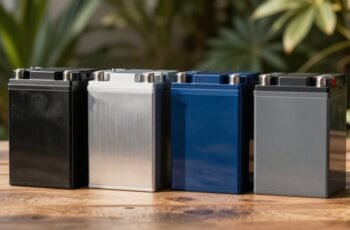
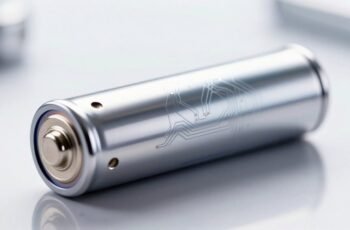
Choosing between solar lithium and lead-acid batteries can feel like comparing two entirely different energy worlds. We’ll examine how lithium’s 90–98% efficiency, deeper usable capacity, and 10–15+ year lifespan compare with lead-acid’s lower cost, roughly 50% usable capacity, and 3–7 year service life. We’ll also assess maintenance, cycling demands, system compatibility, and lifetime value—because the cheapest battery upfront may not deliver the most sustainable or economical result.
Key Takeaways
- Lithium batteries provide 80–95% usable capacity, compared with approximately 50% for lead-acid batteries.
- Lithium offers 90–98% efficiency, while lead-acid typically achieves 70–85%, losing more energy during charging and discharging.
- Lithium batteries generally last 10–15 years and 3,000–6,000 cycles; lead-acid typically lasts 3–7 years and 500–1,500 cycles.
- Lead-acid batteries cost less initially, but lithium can offer lower lifetime costs through reduced replacements and maintenance.
- Lithium suits frequent cycling and higher solar usage, while lead-acid works best for smaller systems with infrequent, steady demand.
Solar Lithium vs. Lead-Acid at a Glance
Lithium solar batteries generally deliver higher usable capacity, longer cycle life, faster charging, and greater energy efficiency than lead-acid systems, while lead-acid remains attractive for its lower upfront cost and established recyclability. For a quick overview, we can view lithium as a compact, high-performance storage option suited to frequent cycling and limited installation space. Lead-acid provides a familiar, widely supported alternative for applications with modest daily energy demands and tighter initial budgets. Both technologies can support solar power systems, yet their practical value depends on operating conditions, maintenance expectations, and project priorities. Lithium typically requires battery-management electronics, whereas lead-acid demands careful charging practices and ventilation planning. We should also consider safety controls, installation compatibility, and responsible end-of-life handling when selecting a sustainable storage architecture.
How Lithium and Lead-Acid Batteries Compare
We’ll compare lithium and lead-acid batteries by examining energy storage capacity, lifespan, and maintenance requirements. These factors show how usable energy, replacement frequency, and long-term resource efficiency affect solar-system performance. Let’s evaluate each criterion to identify the most practical and sustainable option for your needs.
Energy Storage Capacity
When comparing energy storage capacity, lithium batteries deliver more usable energy in a smaller, lighter package than lead-acid batteries. We calculate capacity in kilowatt-hours, but usable capacity depends on depth of discharge. Lithium systems commonly provide about 80–95% of their rated capacity, while lead-acid systems typically use only 50% to limit performance losses under deeper discharge. Consequently, a lithium battery with the same nameplate rating can supply substantially more solar energy before recharging. Lithium cells also maintain more consistent voltage as their charge declines, helping inverters and appliances operate efficiently. Lead-acid batteries require greater physical capacity to deliver equivalent usable energy, increasing weight, space requirements, and material demand. By sizing lithium storage around daily loads and solar production, we can maximize renewable-energy utilization without oversizing the battery bank.
Lifespan And Maintenance
How long will your solar battery last, and what upkeep will it require? Lithium batteries typically deliver 3,000–6,000 cycles, translating to 10–15 years under proper operating conditions. Their battery-management systems balance cells, control temperature, and prevent overcharging, so we generally need only periodic inspection and firmware checks. They also maintain usable capacity without routine watering.
Lead-acid batteries commonly provide 500–1,500 cycles, or roughly 3–7 years, depending on depth of discharge and temperature. We must limit discharge, ensure ventilation, clean terminals, and, for flooded models, replenish distilled water and equalize cells. Their declining capacity and higher maintenance can increase replacement waste and lifecycle costs.
Although lithium usually costs more initially, its longer service life, greater efficiency, and reduced maintenance often improve sustainability and total ownership economics. We should still size either system conservatively and follow manufacturer limits.
Compare Solar Battery Capacity and Efficiency
Although both technologies are rated in kilowatt-hours (kWh), usable solar battery capacity and efficiency differ considerably between lithium and lead-acid systems. We can typically discharge lithium batteries to about 80–95% of their rated capacity, while lead-acid batteries generally deliver only 50–60% to limit capacity loss and voltage decline. Lithium chemistry also converts stored energy more efficiently, often achieving 90–98% round-trip efficiency. Lead-acid systems commonly reach approximately 70–85%, so more solar generation disappears during charging and discharging. For the same nominal storage, lithium hence supplies more usable electricity and supports a smaller installation for an equivalent daily load. We should also compare capacity under the intended discharge rate, because lead-acid output falls as current rises. Evaluating usable kWh, conversion losses, and solar input helps us select the lower-waste solution.
Weigh Solar Battery Lifespan and Maintenance
Lithium solar batteries generally last 10–15 years or more, while lead-acid systems often require replacement after 3–7 years under comparable cycling conditions. We should evaluate lifespan alongside usable cycle count, depth of discharge, temperature, and charging discipline. Lithium chemistry tolerates deeper discharge and typically retains capacity more consistently, reducing replacement frequency and material consumption. Lead-acid batteries need regular inspection, terminal cleaning, ventilation, and, for flooded models, distilled-water replenishment. Lithium systems are largely maintenance-free, although we should monitor battery-management-system alerts, connections, temperature, and state-of-charge readings. High heat accelerates degradation in both chemistries, so adequate ventilation and temperature control remain essential. Although lithium batteries usually cost more initially, their longer service life and lower maintenance burden can reduce lifetime operating costs and environmental impacts. We should also recycle either chemistry through approved channels.
Match Each Battery to Your Solar Setup
We’ll assess your daily energy demand, peak loads, and available solar generation before selecting a battery. We’ll compare lithium and lead-acid systems by usable capacity, cycle life, replacement needs, and total cost. This analysis will align your battery choice with your system’s performance, budget, and sustainability goals.
Assess Energy Needs
How much energy does your solar system need to store and deliver each day? We’ll calculate daily consumption in kilowatt-hours (kWh), then identify peak loads, backup duration, and usable battery capacity. Add appliance wattages multiplied by operating hours, and include inverter losses and seasonal production uncertainty. For example, a 5 kWh load requiring two days of autonomy needs at least 10 kWh of usable storage. We’ll then compare that requirement with each chemistry’s practical discharge limits and power delivery.
| System profile | Suitable battery focus |
|---|---|
| Small, steady loads | Lead acid |
| High cycling, variable loads | Lithium |
Lithium batteries typically provide more usable capacity and stronger surge performance, while lead acid may suit systems with shallow, infrequent cycling. We’ll also confirm voltage compatibility, charge-controller settings, ambient temperature, and available solar input. Matching capacity and power prevents unnecessary oversizing, protects reliability, and supports efficient renewable-energy use.
Compare Lifespan And Cost
When we compare lifespan and cost, we should evaluate total ownership rather than purchase price alone. Lithium batteries typically cost more initially, yet they deliver 3,000–8,000 cycles, deeper discharge, higher efficiency, and fewer replacements. Lead-acid batteries cost less upfront, but usable capacity, ventilation, maintenance, and shorter 500–1,500-cycle lives can increase long-term expenses.
- Choose lithium for daily cycling and limited installation space.
- Choose lead-acid for low-budget, occasional backup use.
- Calculate cost per usable kilowatt-hour, not nameplate capacity.
- Include inverter compatibility, installation, recycling, and replacement costs.
- Match expected cycle frequency to the battery’s rated life.
We should also compare warranties, temperature performance, and round-trip efficiency. A lithium system often reaches a lower lifetime cost when solar production cycles the battery regularly. Lead acid can remain practical where demand is modest, cycling is infrequent, and the installation already supports its maintenance requirements.
Choose the Right Solar Battery for Your Budget
Choosing the right solar battery for your budget requires comparing more than its purchase price. We should evaluate usable capacity, round-trip efficiency, cycle life, warranty coverage, installation requirements, and replacement costs. Lithium batteries typically cost more initially, but their deeper discharge capability, higher efficiency, and longer service life can reduce the cost per stored kilowatt-hour. Lead-acid batteries may suit smaller systems or lower-use applications where capital is limited, although we’ll need more capacity because their recommended depth of discharge is lower. We should also match the battery to our energy profile, inverter, climate, and available solar production. By calculating lifetime cost rather than focusing on upfront price, we can choose a system that delivers reliable backup, minimizes material waste, and supports sustainable energy use. A professional load analysis helps confirm the most economical chemistry.
Frequently Asked Questions
Can Solar Lithium Batteries Operate Safely in Extreme Hot or Cold Temperatures?
Yes, we can operate solar lithium batteries safely in extreme temperatures when manufacturers’ limits, insulation, ventilation, and monitoring are respected. We shouldn’t charge frozen cells or overheated batteries; thermal management preserves performance, lifespan, and safety.
Are Lithium Batteries Recyclable at the End of Their Solar Storage Life?
Yes, we can recycle lithium batteries after solar service; like a medieval guild sorting precious metals, specialized facilities recover lithium, nickel, cobalt, copper, and aluminum, while safely processing residual electrolyte and damaged cells.
Do Solar Lithium Batteries Require Special Fire-Safety Precautions?
Yes, we’ll need specific fire-safety precautions: install certified batteries with battery-management systems, maintain clearances, provide ventilation, avoid damage, follow local codes, and use appropriate detection, suppression, and emergency-shutdown procedures.
Can Existing Lead-Acid Solar Systems Be Upgraded to Lithium Batteries?
Yes, we can upgrade existing systems, but we’ll need compatible lithium batteries, a suitable charge controller or inverter, rewiring, and battery-management integration. We should verify voltage, charging profiles, protection, capacity, and installer requirements before commissioning safely.
How Do Lithium and Lead-Acid Batteries Perform During Power Outages?
Ironically, outages expose battery differences: lithium delivers steadier power, deeper usable capacity, faster recovery, and longer service life. Lead-acid works reliably but needs oversizing, ventilation, limited discharge, and earlier replacement, increasing environmental and operating costs.
Conclusion
When we compare solar lithium batteries with lead-acid options, we’re really choosing between long-term performance and lower entry cost. Lithium delivers 90–98% efficiency, deeper cycling, and 10–15+ years of service, while lead-acid typically uses only half its rated capacity and lasts 3–7 years. Think of it as buying durable work boots instead of disposable shoes: the upfront price is higher, but repeated use rewards durability. For frequent cycling, we’ll usually find lithium the more sustainable value.