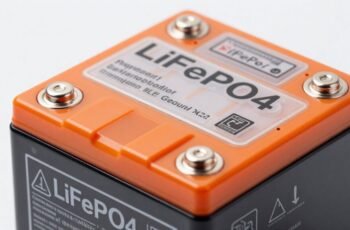
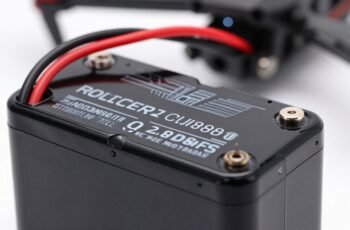
Choosing the best LiFePO4 battery brand means comparing more than capacity and price. We should evaluate cell quality, battery-management-system protection, cycle life, thermal safety, certifications, warranty coverage, and real-world support. Battle Born, Dakota Lithium, Renogy, SOK, and Power Queen each serve different priorities across RV, marine, and solar applications. The right choice depends on your system’s voltage, charging equipment, installation environment, and required runtime—but several important differences can change long-term value.
Key Takeaways
- Battle Born stands out for premium RV and marine batteries, dependable BMS protection, durable construction, and extensive warranties.
- SOK offers competitively priced batteries with serviceable components, detailed monitoring, and strong long-term value.
- Dakota Lithium is well suited to marine and demanding applications, emphasizing long cycle life, robust construction, and cold-weather protection.
- Renogy provides broad system compatibility, monitoring options, integrated features, and accessible batteries for solar and RV installations.
- LiTime and Power Queen deliver affordable LiFePO4 options, but carefully verify cell quality, discharge ratings, safety certifications, warranty terms, and support.
What Makes the Best LiFePO4 Batteries?
The best LiFePO4 batteries combine high-quality cells, a reliable battery management system (BMS), and robust construction to deliver safe, consistent performance. We should evaluate cell matching, usable capacity, cycle life, and continuous discharge ratings rather than relying on nominal amp-hour claims. A well-designed BMS protects against overcharge, over-discharge, excessive current, short circuits, and unsafe temperatures while balancing cells during charging. We also want low internal resistance, secure terminals, flame-resistant materials, and effective thermal monitoring. Verify that the battery’s voltage limits match your charger and equipment; LiFePO4 batteries generally require a lithium-compatible charging profile. Cold-weather charging deserves special attention, because charging below freezing can permanently damage cells unless the battery includes low-temperature cutoff or heating. Finally, we should confirm independent test data, warranty terms, and relevant safety certifications.
Best LiFePO4 Battery Brands for Overall Value
When we compare LiFePO4 battery brands for overall value, we should weigh usable capacity, cycle life, BMS protection, cold-weather performance, warranty coverage, and price rather than choosing solely by upfront cost. Brands such as Battle Born, SOK, Dakota Lithium, Renogy, and Power Queen offer different balances of these factors. Battle Born emphasizes long warranties and robust construction, while SOK often adds serviceable components and detailed monitoring at competitive prices. Dakota Lithium targets premium cycle life, and Renogy and Power Queen frequently compete through accessible pricing and useful integrated features. We should verify continuous discharge ratings, low-temperature charging cutoffs, certifications, and published test conditions before comparing models. A reliable value choice delivers stable voltage, effective cell balancing, and transparent support without overstating capacity or longevity claims.
Top LiFePO4 Brands for RVs and Marine Use
For RVs and marine systems, we should prioritize LiFePO4 brands that provide reliable BMS protection, vibration-resistant construction, high continuous discharge ratings, and clear low-temperature charging safeguards. We should also match capacity and terminal design to our installation, then verify certifications and warranty support.
- Battle Born: Proven RV integration, robust cases, and dependable BMS performance, though pricing is premium.
- Dakota Lithium: Strong marine reputation, high cycle life, and useful cold-weather protection for demanding outings.
- LiTime: Competitive value, varied capacities, and models suited to straightforward RV service upgrades.
- Renogy: Broad accessory compatibility and monitoring options simplify coordinated electrical installations.
We shouldn’t judge brands by amp-hours alone. We need to confirm peak versus continuous current, charger compatibility, fuse sizing, and alternator protection. For boats, secure batteries against movement, protect terminals from moisture, and maintain ventilation and inspection access. We should never charge below the specified temperature limit without approved heating control.
Best LiFePO4 Batteries for Solar Storage
Choosing the best LiFePO4 battery for solar storage requires us to evaluate usable capacity, continuous charge and discharge ratings, cycle life, round-trip efficiency, and BMS protections—not just the advertised amp-hours. We should match the battery’s voltage to the inverter and size capacity for our daily energy use, expected autonomy, and depth-of-discharge limit. High-quality cells, low-temperature charging protection, overcurrent cutoff, and accurate state-of-charge monitoring improve safety and reliability. For off-grid systems, we’ll prioritize batteries supporting parallel expansion and communication with compatible inverters. A battery with strong continuous output can handle starting surges and demanding loads, while efficient charging captures more solar energy. We must install approved fusing, disconnects, cabling, and ventilation according to manufacturer instructions. Avoid mixing batteries with different ages, capacities, or charge states; balanced packs perform more predictably.
Which LiFePO4 Brands Offer the Best Warranties?
We’ll compare LiFePO4 brands by warranty length, covered components, and stated cycle or capacity limits. We’ll also assess exclusions, registration requirements, claim procedures, and the quality of technical support. A strong warranty should reflect reliable battery management, safe operating limits, and confidence in long-term performance.
Warranty Length
When comparing LiFePO4 battery brands, we should evaluate warranty length alongside cycle life, capacity-retention guarantees, and usable operating conditions. A longer term matters only when its limits match our application. Many reputable brands offer five to ten years, while some specify both calendar years and a cycle threshold, whichever comes first.
- Five years: Adequate for light, seasonal use, but we should verify retained-capacity requirements.
- Seven years: A stronger baseline for daily residential cycling and moderate temperatures.
- Ten years: Best suited to frequent cycling, provided thermal and charging limits are followed.
- Lifetime claims: We should read the defined cycle count, throughput limit, and prorating schedule carefully.
We’ll compare warranties by usable value, not headline duration. Charging below freezing, exceeding recommended current, improper storage, or operating outside specified temperatures can invalidate protection and accelerate degradation. A clear, measurable capacity guarantee makes long coverage more meaningful.
Coverage And Support
Although headline warranty terms matter, we should compare LiFePO4 brands by the coverage they actually provide, including cycle limits, capacity-retention thresholds, exclusions, claim procedures, and technical support. We should favor brands that specify measurable performance, such as retaining 80% capacity after a defined number of cycles, rather than offering only calendar years. Strong policies also cover manufacturing defects in cells, busbars, and battery-management systems, while clearly excluding misuse, overcharging, freezing, improper storage, and unauthorized modification. We’ll get better protection when the manufacturer provides responsive troubleshooting, documented installation guidance, and accessible replacement procedures. Brands such as Battle Born, SOK, and Dakota Lithium are widely recognized for extensive support, but we should verify current terms before purchasing. A safe warranty should require appropriate charging equipment and installation, not conceal vague conditions that could invalidate legitimate claims.
How to Choose the Right LiFePO4 Brand
Choosing the right LiFePO4 brand requires us to evaluate more than price: we should compare cell quality, battery-management-system protections, rated capacity, cycle life, certifications, warranty coverage, and manufacturer support. We’ll also verify that specifications reflect usable energy, not merely nominal capacity.
- Cells: Prefer reputable, matched cells with documented testing and low internal resistance.
- BMS: Confirm overcharge, over-discharge, overcurrent, short-circuit, and temperature protection, plus suitable continuous-current ratings.
- Performance: Compare verified cycle-life conditions, charge limits, operating temperatures, and independent capacity tests.
- Assurance: Look for relevant certifications, traceable safety documentation, a clear warranty, responsive technical support, and accessible replacement parts.
We shouldn’t trust marketing claims without test methods or installation guidance. Finally, we’ll match the battery’s voltage, current capability, communications, and enclosure rating to our application. A transparent brand makes safer, more predictable long-term performance easier to achieve.
Frequently Asked Questions
Are Lifepo4 Batteries Safe to Use Indoors?
Yes, we can use LiFePO4 batteries indoors safely when we choose certified models, provide ventilation, install battery-management protection, prevent short circuits, follow charging limits, and keep them away from heat, moisture, and children.
How Should Lifepo4 Batteries Be Stored During Winter?
We should store LiFePO4 batteries indoors, cool, dry, and partially charged—about 40–60%. We’ll disconnect loads, prevent freezing, avoid heat, inspect terminals, and check voltage periodically. Don’t charge below 0°C unless manufacturer-approved protection exists.
Can Lifepo4 Batteries Be Recycled?
Yes, we can recycle LiFePO4 batteries, though facilities remain less common than lithium-ion recyclers. We should never discard or dismantle them; instead, contact certified recyclers, prevent short circuits, and follow local hazardous-waste regulations.
Do Lifepo4 Batteries Require Special Chargers?
Yes, we need special chargers: LiFePO4 batteries are a carefully tuned shield, requiring chargers with correct voltage limits, lithium profiles, and no equalization. Using lead-acid settings can cause undercharging, damage, or unsafe operation.
What Causes Lifepo4 Batteries to Swell?
LiFePO4 batteries swell when internal gas builds from overcharging, excessive heat, physical damage, manufacturing defects, or lithium plating during freezing. We shouldn’t use a swollen battery; disconnect it safely, avoid puncturing, and seek recycling.
Conclusion
We’ve seen that the best LiFePO4 battery brands combine dependable cells, protective BMS technology, clear specifications, and strong support. Whether we’re powering an RV, marine system, or solar storage bank, we should match capacity, voltage, temperature limits, charging requirements, and warranty coverage to our application. By choosing proven manufacturers and installing batteries correctly, we’ll gain safer, steadier, longer-lasting performance—and greater peace of mind. Smart selection today supports reliable, resilient energy tomorrow, wherever our systems operate.