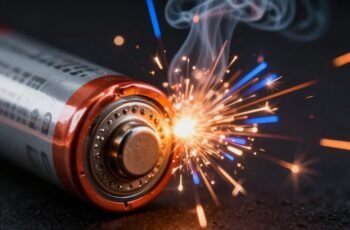
Just as a spark can ignite a wildfire, improper handling of lithium batteries can lead to devastating fires. As professionals committed to safety, we recognize the importance of understanding the risks, proper procedures, and prevention strategies. Ensuring safe practices is not just a matter of compliance but a critical step in protecting lives and property. To minimize hazards, it’s essential to master the guidelines that govern lithium battery safety—knowledge that could make all the difference in an emergency.
Key Takeaways
- Recognize signs of battery damage, swelling, or overheating to prevent fire escalation.
- Store and handle batteries in cool, dry, well-ventilated areas away from flammable materials.
- Use approved chargers and follow proper charging protocols to avoid overcharging and thermal runaway.
- Employ appropriate fire extinguishers, such as Class D powders, for lithium battery fires; avoid water or foam.
- Have emergency response plans in place, including evacuation, fire containment, and contacting professional services.
Understanding Lithium Battery Fire Risks and How Fires Start
Although lithium batteries are widely used due to their high energy density and efficiency, they pose significant fire risks when damaged or improperly handled. Internal components, such as the electrolyte and lithium metal, are highly reactive. Mechanical damage, thermal stress, or manufacturing defects can breach separator layers, resulting in internal short circuits. Once a short circuit occurs, rapid heat generation ensues, causing thermal runaway—a self-sustaining process where elevated temperatures further accelerate reactions, producing more heat. This chain reaction can ignite the electrolyte, leading to fires or explosions. Additionally, overcharging, puncturing, or exposure to extreme conditions can destabilize the battery’s chemical integrity. Understanding these failure mechanisms is essential for implementing safety measures and preventing fire hazards associated with lithium battery misuse or damage.
Recognizing Signs of Damaged or Faulty Lithium Batteries
Identifying damaged lithium batteries requires careful observation of physical and functional indicators. Visible damage, such as cracks or leaks, signals potential failure, while abnormal behavior like rapid discharging or overheating suggests internal issues. Swelling or deformation of the battery casing is a critical warning sign that immediate action is necessary to prevent fire hazards.
Visible Physical Damage
Visible physical damage is one of the most immediate indicators that a lithium battery may be compromised and poses a safety risk. Such damage can compromise the integrity of the battery’s internal components, increasing the likelihood of thermal runaway. Common signs include swelling, cracks, punctures, or corrosion. The table below summarizes key physical indicators:
| Damage Type | Description | Potential Risk |
|---|---|---|
| Swelling | Bulging or deformation | Internal gas buildup |
| Cracks/Punctures | Visible fractures or holes | Leakage, short circuit |
| Corrosion | Discoloration or deposits | Material degradation |
Any physical damage warrants immediate removal from service and proper disposal to prevent fire hazards.
Unusual Battery Behavior
Have you noticed your lithium battery behaving unexpectedly? Unusual behavior can indicate internal damage or faults that compromise safety. Signs include sudden loss of power, inconsistent charging or discharging patterns, and frequent resets or shutdowns. You might observe overheating during use or charging, which suggests abnormal internal reactions. Audible hissing, crackling, or popping sounds are clear warnings of potential thermal runaway. Additionally, the battery may emit a foul odor or produce visible corrosion. These signs reflect internal chemical instability or structural compromise, increasing the risk of failure or fire. Recognizing these indicators early allows for prompt action—discontinuing use and safely disposing of the battery—to prevent hazardous incidents. Always treat any abnormal behavior as a serious safety concern.
Swelling or Deformation
When a lithium battery begins to swell or deform, it signals a critical internal failure that can compromise safety. This physical change indicates gas buildup from internal chemical reactions, increasing the risk of rupture or fire. Recognizing swelling early is essential for preventing catastrophic events.
- The battery’s casing appears bulged or puffed out
- Visible distortion or warping of the battery’s shape
- Elevated temperature around the device or battery area
- Unusual tightness or difficulty in fitting the battery into its compartment
- Audible hissing or bulging noises during operation or handling
These signs require immediate action, including disconnecting power, isolating the battery, and disposal according to safety protocols. Addressing swelling promptly can prevent fires and protect users from injury.
Safe Handling and Storage Practices for Lithium Batteries
Proper handling and storage of lithium batteries are critical to ensuring safety and preventing fires. We must follow strict storage techniques, such as keeping batteries in a cool, dry environment and avoiding contact with conductive materials. Additionally, adhering to recommended charging procedures and handling precautions minimizes risks associated with thermal runaway and damage.
Proper Storage Techniques
To guarantee lithium batteries remain safe during storage, it is essential to follow strict handling and storage guidelines that minimize the risk of thermal runaway and fire. Proper storage involves controlling environmental conditions and ensuring safe placement to prevent accidental damage. Key practices include storing batteries in a cool, dry, well-ventilated area away from direct sunlight and heat sources. Batteries should be kept in non-conductive containers or designated storage bins, avoiding metal contact that could cause short circuits. It’s critical to separate fully charged batteries from discharged ones to reduce stress on the cells. Regular inspection for signs of damage or swelling is necessary to prevent potential hazards.
- Store in a temperature range of 20-25°C
- Use fire-resistant storage cabinets
- Keep batteries in a cool, dry area
- Avoid stacking or overcrowding
- Regularly inspect for damage or swelling
Handling Precautions
Handling lithium batteries safely requires strict adherence to recommended procedures to prevent accidents and minimize risks. Proper handling mitigates the potential for thermal runaway, leaks, or fire hazards. Always wear appropriate protective gear, such as gloves and eye protection, when handling batteries. Store batteries in a cool, dry environment, away from direct sunlight and conductive materials. Avoid puncturing, crushing, or disassembling batteries, as mechanical damage can lead to internal short circuits. The following table summarizes key handling precautions:
| Precaution | Description | Rationale |
|---|---|---|
| Use insulated tools | Prevents accidental short circuits | Avoids internal damage |
| Avoid metallic contact | Keeps terminals isolated | Prevents sparks and shorts |
| Handle in a ventilated area | Reduces exposure to potentially hazardous fumes | Minimizes inhalation risk |
| Store upright | Prevents leakage and damage | Maintains structural integrity |
Charging Safety Measures
Have you ever wondered what safety measures are critical when charging and storing lithium batteries? Proper handling minimizes risks of thermal runaway and fire hazards. Ensuring correct procedures is essential for safety and battery longevity.
Key safety measures include:
- Using only approved chargers with correct voltage and current ratings
- Charging in well-ventilated, fire-resistant areas
- Avoiding overcharging or deep discharging the battery
- Storing batteries at recommended temperatures, typically between 20-25°C
- Keeping batteries away from flammable materials and direct sunlight
These practices help prevent overheating, short circuits, and potential fires. Strict adherence to manufacturer guidelines and safety protocols is paramount for safe charging and storage, safeguarding both people and property.
Essential Safety Equipment and Fire Extinguishers for Lithium Fires
Effective fire safety for lithium battery fires relies heavily on the proper selection and deployment of specialized equipment and extinguishers. Conventional extinguishers are ineffective against lithium fires; instead, Class D fire extinguishers designed for combustible metals are essential. These extinguishers contain agents such as sodium chloride, copper powder, or graphite that suppress the high-temperature reactions. Additionally, fire-resistant blankets and spill containment kits are vital for control and suppression. The following table illustrates key safety equipment:
| Equipment | Purpose | Key Features |
|---|---|---|
| Class D Extinguisher | Extinguish lithium metal fires | Sodium chloride, copper powder |
| Fire-resistant Blanket | Smother flames and isolate | Heat-resistant, non-reactive |
| Spill Containment Kit | Control leaks and spills | Absorbent materials, neutralizers |
| Personal Protective Equipment | Protect responders | Fire-resistant gloves, goggles |
| Fire Alarm System | Alert personnel | Rapid detection, notification |
Step-by-Step Procedures to Extinguish a Lithium Battery Fire Safely
To extinguish a lithium battery fire safely, we first assess the fire’s severity to determine the appropriate response. Next, we employ the correct extinguishing agent—typically a Class D or specialized lithium fire extinguisher—while avoiding water. Finally, we evacuate the area and guarantee proper ventilation to prevent smoke inhalation and contain the hazard.
Assess Fire Severity
Evaluating the severity of a lithium battery fire is a critical initial step to guarantee appropriate and safe extinguishing measures. This assessment determines the fire’s intensity, potential for escalation, and necessary response. Key indicators include the size of the flames, heat intensity, smoke production, and any venting or rupturing of the battery casing.
- Visible flames or large smoke plumes indicate high severity.
- Excessive heat suggests rapid internal chemical reactions.
- Persistent smoke with chemical odors signals ongoing thermal runaway.
- Structural damage or swelling of the battery points to advanced internal failure.
- Evidence of venting or electrolyte leaks highlights imminent danger of explosion or toxic release.
Promptly analyzing these factors allows us to choose the safest and most effective firefighting approach.
Use Correct Extinguishing Agent
When confronting a lithium battery fire, selecting the appropriate extinguishing agent is crucial to suppress the blaze safely and prevent escalation. Lithium fires are unique; they require specific agents to avoid worsening the fire or causing dangerous reactions. Use Class D extinguishing powders designed for metal fires, such as sodium chloride or copper-based agents, to effectively suppress lithium fires. Avoid water or foam, which can intensify the fire or produce hazardous reactions. Proper selection minimizes risks and guarantees safety.
| Extinguishing Agent | Suitable Use Cases |
|---|---|
| Class D Powder | Lithium, magnesium, aluminum fires |
| Dry Sand | Small fires, smothering heat |
| Special Metal Fire Extinguisher | Controlled, professional use |
| NOT WATER OR FOAM | Avoid reactions and escalation |
| CO2 or ABC Extinguishers | Ineffective and unsafe |
Evacuate and Ventilate Area
In the event of a lithium battery fire, immediate evacuation and ventilation are critical to guarantee safety and prevent the spread of toxic fumes. Promptly alert personnel, clear the area of non-essential individuals, and establish a safe perimeter. Open windows and exhaust vents to facilitate airflow, dispersing hazardous gases and reducing inhalation risk. Turn off ventilation systems if possible to prevent oxygen supply fueling the fire. Use designated fire extinguishers if trained, but prioritize evacuation over firefighting efforts. Ensure all personnel are accounted for and remain at a safe distance until authorities declare the area safe. Proper ventilation minimizes inhalation exposure and limits fire spread, safeguarding both personnel and property from further damage.
What Not to Do During a Lithium Battery Fire Emergency?
During a lithium battery fire, it’s critical to avoid actions that can exacerbate the situation or pose additional hazards. Do not attempt to extinguish the fire with water, as lithium reacts violently with moisture, potentially causing explosions or spreading the fire. Avoid using standard fire extinguishers not rated for electrical or lithium fires; instead, specialized Class D extinguishers should be employed if available. Do not move the burning device unless it’s in a location where evacuation is impossible, as movement can trigger thermal runaway or spills of hazardous chemicals. Refrain from opening the battery casing or puncturing it, which can release flammable electrolyte and intensify the fire. Always prioritize safety by calling emergency services and maintaining a safe distance.
How to Prevent Lithium Battery Fires in Daily Use?
To prevent lithium battery fires in daily use, it is essential to follow proper handling and storage protocols that minimize risks. Safe practices reduce the likelihood of damage, overheating, and short circuits. Proper handling involves avoiding physical impacts, such as dropping or crushing devices, which can compromise the battery’s integrity. Storage should be in cool, dry environments, away from flammable materials and direct sunlight, to prevent thermal build-up. Regularly inspecting batteries for signs of damage or swelling helps identify potential hazards early. Additionally, using chargers specifically designed for lithium batteries and avoiding overcharging or deep discharging enhances safety.
- Store batteries in a temperature-controlled environment
- Use manufacturer-approved charging equipment
- Avoid exposing batteries to moisture or extreme heat
- Never leave devices charging unattended
- Keep batteries away from conductive materials
Tips for Safe Disposal and Recycling of Lithium Batteries
Proper disposal and recycling of lithium batteries are critical to preventing environmental contamination and reducing fire hazards. Lithium batteries contain hazardous materials that can cause fires if improperly handled. Always adhere to local regulations for disposal; do not throw batteries in regular trash. Instead, utilize certified recycling centers or collection programs equipped to safely process lithium batteries. Before recycling, verify batteries are fully discharged to minimize risk. Cover the terminals with non-conductive tape to prevent short circuits during transport. Handle batteries with care, avoiding puncturing or crushing, which could ignite internal chemicals. Proper labeling and packaging are essential to prevent accidental activation. By following these technical guidelines, we contribute to environmental safety and mitigate fire risks associated with lithium battery disposal.
Recognizing When to Call Emergency Services for Lithium Fires
Recognizing when to call emergency services during a lithium fire is vital for ensuring safety and minimizing damage. Immediate action is necessary when the situation exceeds basic firefighting capabilities or poses significant health risks. Indicators include persistent or rapidly spreading flames, smoke that intensifies despite attempts to extinguish, or the release of toxic fumes. Additionally, if the fire involves large battery packs or if there’s structural compromise, professional intervention is essential. Critical signs include:
- Flames exceeding 2 feet or spreading quickly
- Heavy, acrid smoke or chemical odors
- Difficulty controlling or extinguishing the fire with a fire extinguisher
- Battery swelling or rupture
- Exposure to visible toxic fumes or fumes that do not dissipate
In these scenarios, prompt emergency response prevents escalation and safeguards lives.
Educating Yourself and Others About Lithium Battery Fire Safety
Understanding lithium battery fire safety is essential for effective prevention and response. Educating ourselves and others guarantees that everyone recognizes hazards, understands proper handling, and responds appropriately during incidents. We should provide thorough training on safe storage, charging protocols, and emergency procedures, emphasizing risks like thermal runaway and fire suppression strategies. Knowledge transfer must be precise, focusing on identifying signs of battery failure and implementing immediate actions to mitigate damage. Regular drills, clear signage, and accessible safety resources reinforce awareness. By fostering an informed environment, we reduce the likelihood of accidents and improve response effectiveness. Ensuring that all personnel are equipped with this knowledge is critical in maintaining safe operations and minimizing the impact of lithium battery fires.
Frequently Asked Questions
Are There Specific Brands With Higher Lithium Fire Risks?
Certain brands with lower manufacturing standards or unverified quality control tend to have higher lithium fire risks. We recommend choosing reputable brands, inspecting batteries regularly, and following safety guidelines to mitigate potential hazards effectively.
How Do Temperature Changes Affect Lithium Battery Fire Safety?
Temperature fluctuations act like a double-edged sword, destabilizing lithium batteries and increasing fire risk. We monitor and control thermal environments meticulously, knowing that extreme heat or cold can ignite internal reactions, demanding rigorous safety protocols.
Can Lithium Battery Fires Be Extinguished With Household Items?
Lithium battery fires cannot be reliably extinguished with household items; instead, we recommend using a Class D dry powder extinguisher or copious amounts of water to cool and suppress the flames effectively and safely.
What Are Long-Term Health Effects of Lithium Fire Smoke Exposure?
Exposure to lithium fire smoke can cause respiratory irritation, neurological symptoms, and potential long-term lung damage. We recommend immediate medical evaluation and ongoing monitoring, as prolonged exposure may result in chronic health issues needing professional intervention.
Are There Legal Regulations for Lithium Battery Fire Safety Standards?
Are you aware of the strict legal standards governing lithium battery fire safety? We guarantee compliance with international and local regulations, including UL 1642 and UN 38.3, to mitigate risks and protect public safety effectively.
Conclusion
In our journey through lithium battery fire safety, we’ve uncovered crucial precautions and response strategies. It’s no coincidence that awareness and proper handling often prevent incidents before they start. By staying vigilant, using correct safety equipment, and understanding fire response procedures, we protect lives and property. Let’s remember that safety isn’t just a protocol—it’s a shared responsibility, and staying informed keeps us one step ahead of potential hazards.