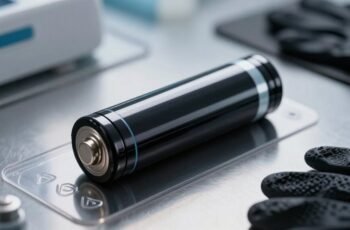
It’s a coincidence that as more households adopt lithium battery storage, the importance of safety measures becomes increasingly critical. Ensuring these systems operate reliably involves precise installation, ongoing inspection, and environmental controls. Neglecting these aspects can lead to serious hazards like thermal runaway or fires. To effectively protect property and lives, we need to understand best practices for safe usage and maintenance—an area that warrants careful attention before problems arise.
Key Takeaways
- Proper installation in well-ventilated, temperature-controlled areas minimizes thermal risks and prevents overheating.
- Regular inspections for damage, swelling, or corrosion help detect early signs of battery malfunction.
- Using certified batteries with integrated BMS ensures safe charging, discharging, and overall system management.
- Implement environmental monitoring and ventilation systems to prevent heat buildup and gas accumulation.
- Recognize signs of failure like excessive heat, swelling, or foul odors and respond promptly to prevent fires or explosions.
Understanding Lithium Batteries and Their Role in Home Storage
Lithium batteries are electrochemical energy storage devices that have become indispensable in home energy systems due to their high energy density, efficiency, and long cycle life. They operate through the movement of lithium ions between cathode and anode during charge and discharge cycles, enabling compact and lightweight design. These batteries typically use lithium-ion chemistries, such as lithium nickel manganese cobalt oxide (NMC) or lithium iron phosphate (LFP), offering high voltage stability and thermal performance. Their ability to deliver consistent power output over numerous cycles makes them ideal for residential applications like solar energy storage and backup power. Precise control of charging and discharging processes is crucial to maximize lifespan and performance, ensuring reliable energy supply while minimizing degradation over time.
Key Safety Risks Associated With Lithium Home Batteries
Thermal runaway remains a critical safety concern in lithium home batteries, potentially leading to fires or explosions if uncontrolled. Ensuring proper ventilation is essential to prevent heat buildup and mitigate this risk. We must understand these hazards thoroughly to implement effective safety measures.
Thermal Runaway Risks
When a lithium home battery experiences a failure or is subjected to external damage, it can trigger a rapid, uncontrolled increase in temperature known as thermal runaway. This process occurs when internal cell damage causes a self-sustaining exothermic reaction, releasing heat faster than it dissipates. The elevated temperature leads to the breakdown of electrolyte and separator materials, releasing flammable gases. If uncontrolled, thermal runaway can cause fires, explosions, or release toxic fumes. Factors such as manufacturing defects, mechanical damage, or thermal stress can initiate this chain reaction. Preventing thermal runaway requires robust cell design, quality control, and protective circuitry that isolates faulty cells. Recognizing the risks and implementing safeguards are essential steps in ensuring the safety of lithium battery systems in home storage applications.
Proper Ventilation Importance
Proper ventilation plays a vital role in maintaining the safety of lithium home batteries, especially given the risks associated with thermal runaway and gas buildup. Lithium batteries release combustible gases when overheated or damaged, increasing the risk of fire or explosion if these gases accumulate. Adequate ventilation guarantees these gases disperse rapidly, preventing dangerous concentrations from forming. Proper airflow also helps maintain consistent temperatures, reducing thermal stress and minimizing the potential for thermal runaway. Ventilation systems should be designed to provide continuous airflow without creating turbulence that could damage the battery enclosure. Regular inspection of ventilation pathways is essential to identify obstructions or degradation. Overall, effective ventilation is a key safety measure that mitigates gas accumulation and thermal risks associated with lithium battery operation in a home environment.
How to Properly Install Your Lithium Battery System for Safety
Installing your lithium battery system correctly is vital to guarantee safety and peak performance. Begin by selecting a well-ventilated, temperature-controlled location that minimizes exposure to moisture, direct sunlight, and vibration. Secure the battery on a stable, non-combustible surface using appropriate mounting hardware, ensuring proper weight distribution. Follow manufacturer guidelines for wiring, ensuring all connections are tight, corrosion-free, and protected with appropriate fuses or circuit breakers to prevent overloads. Use high-quality, compatible cabling rated for the system’s voltage and current specifications. Implement proper grounding procedures to eliminate electrical faults. Confirm that the battery management system (BMS) is properly integrated and functioning. Regularly inspect installations for signs of wear, loose connections, or physical damage to sustain safety and peak operation.
Best Practices for Maintaining Lithium Batteries at Home
Proper charging techniques and safe storage practices are essential for maintaining lithium batteries at home. We must follow manufacturer specifications for charging voltages and avoid overcharging to prevent thermal runaway. Additionally, storing batteries in a cool, dry environment reduces degradation and minimizes safety risks.
Proper Charging Techniques
To guarantee lithium batteries remain safe and maintain peak performance, it’s essential to follow specific charging practices. First, always use chargers compatible with the battery’s specifications to prevent overvoltage or undervoltage conditions. Second, avoid charging to full 100% unless necessary; partial charges (around 80-90%) reduce stress and prolong lifespan. Third, implement a consistent charging schedule to prevent deep discharges, which can damage cells. Fourth, monitor temperature during charging; excessive heat accelerates degradation and safety risks. Adhering to these practices ensures ideal battery health, minimizes thermal runaway risks, and extends service life. Careful control of voltage, current, and temperature during charging is crucial for both safety and efficiency in home energy storage systems.
Safe Storage Practices
Have you considered how storage conditions directly impact the safety and longevity of lithium batteries at home? Proper storage involves maintaining a controlled environment with moderate temperatures between 15°C and 25°C to prevent thermal stress. Batteries should be stored in a dry, well-ventilated area, away from direct sunlight, moisture, and flammable materials. Keep the state of charge between 30% and 50% during extended storage to minimize capacity loss and chemical degradation. Use non-conductive, fire-resistant containers or shelving to prevent accidental short circuits. Regularly inspect stored batteries for signs of swelling, corrosion, or damage. Implementing these best practices minimizes risks of thermal runaway, reduces capacity degradation, and extends the usable life of lithium batteries in home storage systems.
Recognizing Signs of Battery Malfunction or Safety Concerns
How can we quickly identify when a lithium battery is malfunctioning or poses safety risks? Recognizing early warning signs is vital for safety. Key indicators include:
- Unusual Heat: Excessive or localized warmth during operation indicates potential internal damage.
- Swelling or Deformation: Physical expansion suggests electrolyte leakage or gas buildup.
- Unusual Odors: Foul or chemical smells point to thermal runaway or electrolyte breakdown.
- Operational Anomalies: Sudden power loss, failure to charge, or erratic behavior signals internal faults.
Monitoring these signs allows prompt intervention, reducing risk of fire or explosion. Maintaining vigilance and understanding these indicators guarantees safer home storage practices and minimizes potential hazards associated with malfunctioning batteries.
The Importance of Adequate Ventilation and Fire Safety Measures
Adequate ventilation is essential when storing or charging lithium batteries, as it helps dissipate heat and reduces the risk of hazardous buildup. Proper airflow prevents temperature spikes that can accelerate thermal runaway, a critical safety concern. Ventilation systems should guarantee continuous exchange of air, minimizing the accumulation of flammable gases such as hydrogen, which can be released during overcharge or internal failure. Fire safety measures include installing fire-resistant barriers, ensuring accessible fire extinguishers rated for electrical fires, and maintaining clear escape routes. Monitoring temperature and gas levels with appropriate sensors enhances safety protocols. Implementing these measures reduces the likelihood of fire incidents and enhances the overall safety of lithium battery storage environments, safeguarding property and lives.
Choosing Certified and Approved Lithium Battery Products
Selecting lithium batteries that are certified and approved by relevant safety authorities is essential to guarantee reliable performance and minimize risk. Certification confirms the product complies with rigorous safety, quality, and performance standards. When evaluating options, consider these key factors:
- Certification Labels: Verify presence of certification marks from recognized agencies such as UL, IEC, or CE, confirming adherence to safety protocols.
- Manufacturing Standards: Assure batteries are produced following established quality management systems like ISO 9001.
- Battery Management System (BMS): Confirm the inclusion of a certified BMS that monitors voltage, temperature, and current to prevent unsafe conditions.
- Traceability and Documentation: Require detailed documentation and traceability records that verify origin, testing results, and compliance history.
Choosing certified products minimizes hazards and assures the battery’s integrity under operational conditions.
Safely Charging and Discharging Your Home Battery System
To guarantee safety during the operation of your home battery system, it is essential to follow proper protocols for charging and discharging. Always use manufacturer-recommended charging equipment and adhere to specified voltage and current limits to prevent thermal stress or overcurrent conditions. Implement automated monitoring systems that track battery parameters such as voltage, temperature, and state of charge (SOC), ensuring operation within safe thresholds. During discharging, avoid excessive draw that can lead to voltage drops or capacity degradation; regulate load levels accordingly. Maintain consistent communication with the battery management system (BMS) to receive real-time alerts for abnormal conditions. Properly scheduled charging cycles and controlled discharging protocols minimize risks of overvoltage, deep discharge, or thermal runaway, ensuring safe, reliable system performance.
What to Do in Case of a Lithium Battery Fire or Emergency?
In the event of a lithium battery fire or emergency, prompt action is vital to minimize hazards. We must focus on immediate fire suppression techniques, guarantee safe evacuation procedures, and handle hazardous materials properly. Understanding these steps helps prevent injury and contain the incident effectively.
Immediate Fire Suppression Steps
When a lithium battery fire occurs, immediate action is critical to minimize damage and guarantee safety. First, activate the fire suppression system if available, such as a Class D extinguisher designed for metal fires. Second, if an extinguisher isn’t accessible, use a large quantity of water to cool the battery and suppress flames, ensuring the fire is fully extinguished. Third, avoid using foam or powder extinguishers, as they may react adversely with lithium. Fourth, monitor the area continuously for re-ignition, as residual thermal activity can reignite the fire. Prompt, targeted responses are essential to prevent escalation, protect property, and ensure safety. Always follow manufacturer guidelines and local fire regulations for lithium battery emergencies.
Evacuation and Safety Tips
During a lithium battery fire or emergency, swift and organized action can considerably reduce risks to individuals and property. First, immediately activate the fire alarm and alert everyone nearby. Evacuate the area promptly, making certain all occupants move to a safe distance—at least 25 feet away—and avoid inhaling smoke or fumes. Do not attempt to extinguish the fire with water, as this can worsen the situation; instead, use a Class D or specialized lithium fire extinguisher if trained and available. Once evacuated, contact emergency services and provide clear details about the incident. Guarantee all individuals remain at a safe distance until professionals declare the scene safe. Proper evacuation and safety protocols are critical to minimizing harm during lithium battery emergencies.
Handling Hazardous Materials
Handling hazardous materials like lithium batteries requires immediate and informed action to prevent escalation of the incident. First, quickly assess the situation; if a fire occurs, prioritize safety and avoid inhaling fumes. Second, use a Class D fire extinguisher or dry sand to smother the flames, avoiding water which can intensify the fire. Third, disconnect the battery’s power source if accessible, to halt thermal runaway. Fourth, notify emergency services promptly and inform them of the battery type and situation details. Proper containment and suppression are critical to prevent chemical release or explosions. Always wear appropriate personal protective equipment, including gloves and respirators, when handling the emergency. Swift, precise actions can greatly reduce hazards and ensure safety in hazardous material incidents.
Regular Inspection and Monitoring to Ensure Long-Term Safety
Regular inspection and monitoring are crucial components of maintaining lithium battery safety over time, as they enable early detection of potential issues before failures occur. Consistent visual inspections help identify physical damage, swelling, corrosion, or leakage, indicating compromised integrity. Monitoring voltage, temperature, and internal resistance provides real-time data to detect anomalies suggestive of capacity degradation or thermal runaway risks. Implementing automated monitoring systems with alarms and data logging ensures prompt response to abnormal conditions. Regular maintenance schedules and diagnostic tests are indispensable for verifying battery health and performance. By systematically tracking these parameters, we can prevent safety hazards, extend battery lifespan, and guarantee reliable operation in home storage systems. This proactive approach minimizes risks associated with aging, misuse, or manufacturing defects.
Frequently Asked Questions
Can Lithium Batteries Be Recycled Safely at Home?
We can’t recycle lithium batteries safely at home due to their chemical complexity and risk of fire or toxic leaks. Instead, we recommend contacting certified recycling facilities that follow strict safety protocols for proper disposal and recycling.
How Do Temperature Fluctuations Affect Lithium Battery Safety?
Temperature fluctuations can cause lithium batteries to expand, contract, and develop internal stress, increasing the risk of thermal runaway, fires, or explosions. We must maintain stable temperatures and avoid extreme conditions to guarantee safety during storage and use.
Are There Specific Safety Standards for DIY Lithium Battery Setups?
Yes, there are specific safety standards for DIY lithium battery setups, like UL 9540 or IEC 62619, that we must follow. Ignoring these can lead to dangerous failures, so strict adherence is essential for safe, reliable energy storage.
What Are the Signs of a Lithium Battery Developing Internal Damage?
We look for swelling, leaks, or unusual heat, which indicate internal damage. Voltage fluctuations, rapid discharges, or persistent error messages also signal potential issues, prompting us to disconnect the battery immediately and inspect it thoroughly.
How Do External Impacts Influence Lithium Battery Safety?
External impacts can compromise lithium battery safety by damaging internal components, causing thermal runaway, or puncturing cells. We must handle batteries carefully, avoid impacts, and inspect for physical damage to prevent potential hazards or failures.
Conclusion
In the end, managing lithium batteries safely is like tending a high-strung dragon—you must understand its needs, monitor its temper, and keep it in a secure, well-ventilated lair. Neglect, and you risk a fiery spectacle that could turn your home into a dragon’s den. So, let’s stay vigilant, follow best practices, and treat these power sources with the respect they demand—before they decide to breathe fire when you least expect it.