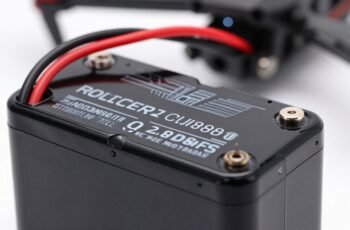
When we choose a lithium battery charger, we often discover that two chargers with similar labels can produce very different results. We’ll start by matching the charger’s output voltage to the battery’s chemistry, then verify charging current, connector type, and BMS compatibility. We’ll also examine balancing, overcharge protection, temperature limits, and fault detection, because a small mismatch can reduce battery life or create a hazard. The final choice depends on details many specifications don’t make obvious.
Key Takeaways
- Match the charger’s voltage, chemistry, and charging profile to the battery’s specifications.
- Confirm the charger’s maximum current stays within the battery and BMS charging limits.
- Choose a charger with constant-current/constant-voltage control, balancing, temperature monitoring, and overcharge protection.
- Verify connector type, polarity, cable ratings, and compatibility before connecting the charger.
- Avoid charging damaged, swollen, frozen, or overheated batteries, and follow the manufacturer’s environmental and safety instructions.
Match the Charger to Battery Voltage
Start by matching the charger’s output voltage to the battery’s nominal voltage and chemistry. We should treat nominal voltage as the battery’s operating reference, not the charger’s maximum output. Next, verify the charger’s regulated charge voltage against the battery manufacturer’s specifications. A 12-volt lithium battery, for example, may require a substantially higher charging voltage, but the exact limit depends on its design and battery-management system. We must never substitute a charger intended for lead-acid, nickel-based, or another lithium voltage class. Excess voltage can trigger protection, damage cells, or create thermal hazards; insufficient voltage can prevent full charging. Check the battery label, datasheet, and charger markings before connecting anything. If the voltage ratings don’t align exactly, we shouldn’t charge the battery. Include polarity and connector checks before energizing the circuit.
Confirm the Lithium Battery Chemistry
Voltage matching alone isn’t enough; we also need to confirm the battery’s lithium chemistry. Lithium-ion, lithium iron phosphate (LiFePO4), lithium-titanate, and other formulations use different charge-voltage limits and control requirements. We should identify the chemistry from the battery label, datasheet, manufacturer, or battery-management-system documentation rather than infer it from appearance or nominal voltage.
Next, we should verify that the charger explicitly supports that chemistry. A charger designed for conventional lithium-ion cells may apply an unsuitable voltage profile to LiFePO4 batteries, while a lead-acid charger’s maintenance or equalization functions can create serious hazards. We shouldn’t use a generic lithium charger unless its specifications clearly match the battery’s chemistry and approved charging method. If the chemistry remains uncertain, we should stop and obtain authoritative documentation before connecting power. This confirmation prevents overcharging, reduced service life, thermal events, and permanent battery damage.
Choose the Right Charging Current
Once the chemistry is confirmed, we should select a charging current that stays within the battery manufacturer’s specified limits. We’ll find this value on the battery label, datasheet, or approved charging guide, usually expressed in amperes or as a C-rate. We shouldn’t assume that a charger designed for one lithium battery can safely serve another. We’ll match the charger’s maximum output to the battery’s permitted charge current, choosing a lower setting when necessary. A current that’s too high can cause overheating, cell damage, venting, or thermal runaway. We’ll also verify that the battery management system supports the selected current and that the charger regulates it accurately. If the documentation is unclear, we won’t guess; we’ll contact the manufacturer or use an approved charger. We should never bypass current-limiting protection.
Check Capacity and Charging Time
After confirming the permitted charging current, we’ll compare the battery’s capacity with the charger’s output to estimate charging time. Use amp-hours (Ah) and amperes (A), but allow for charging losses and the taper near full charge. A practical estimate is:
Time ≈ capacity (Ah) ÷ charger current (A) × 1.1–1.3
| Capacity | Charger output | Approximate time |
|---|---|---|
| 10 Ah | 2 A | 5.5–6.5 hours |
| 20 Ah | 4 A | 5.5–6.5 hours |
| 50 Ah | 10 A | 5.5–6.5 hours |
We’ll verify that the charger’s rated output matches the battery’s specified charging range, not merely its voltage. A higher-current charger may shorten the calculation, but we won’t exceed the manufacturer’s limit. We’ll also account for ambient temperature and battery condition, which can extend the cycle. Confirming these figures helps us select a realistic schedule without stressing the cells.
Look for BMS and Safety Features
We should choose a charger with a Battery Management System (BMS) that monitors voltage, current, and cell balance. Overcharge protection should stop charging when the battery reaches its safe limit. Thermal safety controls should detect overheating and shut down or regulate output to reduce risk.
Battery Management System
How does a battery management system (BMS) protect your lithium battery during charging? We rely on a BMS to monitor each cell’s voltage, temperature, and charging current, then coordinate safe operation with the charger. It balances cell voltages so a series pack remains uniform, improving usable capacity and service life. It also detects abnormal conditions, including excessive temperature, short circuits, sensor faults, and current outside programmed limits. When a hazardous condition appears, the BMS can disconnect the charge path, isolate the pack, or signal the charger to stop. When choosing a charger, confirm that its output profile matches the battery chemistry, nominal voltage, and BMS requirements. We should also verify communication compatibility, temperature-sensor support, and documented safety certifications. A compatible BMS-charger system provides controlled, traceable charging.
Overcharge Protection
What prevents a lithium battery from accepting excessive charge? We rely on coordinated protection between the charger and the battery management system (BMS). Select a charger with a precise voltage limit matched to the battery’s chemistry and series-cell count. The BMS should monitor individual cell voltages, disconnecting or reducing charge current when any cell reaches its maximum permitted level. Prefer chargers that stop charging automatically rather than maintaining an indefinite trickle, which can stress lithium cells. Verify that the charger and BMS use compatible charge profiles, connectors, and communication protocols when applicable. Look for independent overvoltage protection, current limiting, charge-time termination, and fault shutdown. Never bypass the BMS or substitute a charger with a higher voltage rating. Confirm the manufacturer’s specifications before connecting the system.
Thermal Safety Controls
Beyond voltage and current limits, thermal controls keep charging within safe operating conditions. We should choose a charger that communicates with the battery management system (BMS), which monitors cell temperature and can stop charging when readings exceed configured limits. The charger should also include temperature-sensor compatibility, automatic thermal shutdown, and fault recovery that requires safe conditions before restarting.
| Feature | Function | What we verify |
|---|---|---|
| BMS communication | Stops unsafe charging | Protocol compatibility |
| Temperature sensing | Detects overheating | Sensor support |
| Thermal shutdown | Interrupts power | Listed cutoff limits |
| Controlled restart | Prevents immediate recharging | Manual or timed reset |
We should confirm the BMS and charger share compatible voltage, current, and temperature parameters. Avoid chargers that ignore sensor faults or automatically resume after overheating. Install equipment with adequate ventilation, keep connectors clean, and follow the battery manufacturer’s temperature range. These safeguards reduce thermal runaway risk and protect battery life.
Select the Right Charger Connector
Selecting the correct charger connector guarantees a secure electrical connection and prevents polarity, fit, and compatibility errors. We should first match the connector to the battery’s specified charging interface, not merely its physical appearance. Verify the plug size, pin arrangement, contact configuration, and locking mechanism against the battery and charger documentation. Then confirm polarity with the manufacturer’s wiring diagram or a properly rated meter; never assume the center pin is positive. We also need to check the connector’s voltage and current ratings, ensuring they meet or exceed the charger’s output. Inspect contacts for corrosion, damage, looseness, or contamination before each use. We shouldn’t force a mismatched plug or use improvised adapters. Seat the connector fully, keep it dry, and disconnect power before changing connections.
Compare Smart, Solar, and Portable Chargers
We’ll compare smart chargers’ monitoring and protection features with solar chargers’ power-source requirements and control limits. We’ll also assess portable chargers for capacity, output stability, and transport safety. This comparison helps us select a charger that matches your battery chemistry, operating conditions, and charging needs.
Smart Charger Features
Smart chargers monitor battery voltage, current, temperature, and charge state to adjust each charging phase automatically, reducing overcharging and thermal stress. We should confirm lithium chemistry, pack voltage, and battery-management-system compatibility before connecting one. Look for cell balancing, short-circuit protection, reverse-polarity detection, and automatic shutdown. Status indicators or app diagnostics help us verify progress without guessing.
| Feature | Benefit | Safety check |
|---|---|---|
| Voltage sensing | Accurate phase control | Match pack rating |
| Temperature sensing | Limits overheating | Place sensor correctly |
| Cell balancing | Equalizes cell voltages | Confirm BMS support |
| Fault detection | Stops unsafe charging | Test alarms periodically |
Compared with basic portable chargers, smart models provide better control but may cost more and require correct configuration. Portable units suit temporary, supervised use; smart chargers suit routine charging where repeatable settings matter. We shouldn’t use either with damaged batteries, unattended connections, or incompatible connectors. Always follow the manufacturer’s current and cutoff specifications.
Solar Charging Options
Solar chargers add an energy-source constraint to the same voltage, current, and BMS requirements that govern smart charging. We should select a solar charger whose regulated output matches the battery’s lithium chemistry and series count. Confirm that its charge profile includes the manufacturer’s specified voltage limits, termination behavior, and temperature protections. Because sunlight varies, we must verify the panel’s operating voltage and current across expected conditions, then size a controller to prevent overvoltage, excessive current, and reverse flow. MPPT controllers generally harvest more energy than PWM designs when panel and battery voltages differ, but compatibility remains essential. We should use fuses, correctly rated wiring, and connectors, and never bypass the battery’s BMS. Solar charging can be slower and intermittent, so we should monitor status indicators and stop charging if the battery overheats, swells, or shows faults.
Portable Charger Benefits
Portable chargers give us a compact, convenient option when grid power or sunlight isn’t available, but we must match their output to the battery’s lithium chemistry, series count, and BMS limits. Unlike solar chargers, they provide predictable power without changing weather conditions. Compared with basic adapters, smart portable chargers regulate voltage, current, and charging stages, reducing overcharge and overheating risks. We should verify the charger’s nominal voltage, maximum current, connector polarity, and lithium profile before connecting it. A portable unit with adjustable settings can support several packs, but incorrect selection remains hazardous. We shouldn’t charge damaged, swollen, frozen, or excessively hot batteries. During charging, place the pack on a nonflammable surface, maintain ventilation, and monitor temperature and status indicators. We’ll disconnect the charger when the cycle completes unless its instructions permit safe maintenance charging.
Avoid These Lithium Charger Mistakes
When we choose a lithium charger, we must avoid mismatched voltage profiles, incorrect charge currents, and chargers designed for other battery chemistries. First, we should confirm the battery’s nominal and maximum charging voltages, then select a charger that matches its chemistry, such as lithium iron phosphate or lithium-ion. We shouldn’t assume a higher current means faster, safer charging; we must stay within the battery manufacturer’s specified rate and verify connector polarity. We also need to avoid charging damaged, swollen, frozen, or excessively hot batteries. A charger lacking proper constant-current/constant-voltage control, termination, or protection features can cause overheating and cell damage. Before connecting, we’ll inspect cables, terminals, and ventilation. We shouldn’t leave charging unattended unless the system includes reliable battery-management protections and certified safety controls.
Frequently Asked Questions
Can I Leave a Lithium Battery Connected to Its Charger Overnight?
We can leave a lithium battery connected overnight only if its manufacturer permits it and the charger is compatible. Otherwise, we shouldn’t. We’ll reduce risk by unplugging after charging and monitoring heat or swelling.
How Should I Store a Lithium Battery Charger When It Is Not in Use?
We don’t need elaborate storage: unplug the charger, let it cool, and coil its cable loosely. Store it indoors, dry, clean, and ventilated, away from heat, moisture, children, and combustible materials; inspect before reuse.
Can One Charger Safely Charge Batteries From Different Manufacturers?
Yes, we can use one charger for different manufacturers only when voltage, chemistry, connector, polarity, charging profile, and battery-management requirements match. Otherwise, we shouldn’t; verify specifications and manufacturer approval first to prevent damage or fire.
What Warranty Should I Expect When Buying a Lithium Battery Charger?
Expect a one- to three-year warranty, covering manufacturing defects, but not misuse, incorrect voltage, overheating, or unauthorized modifications. We’ll verify written terms, exclusions, claim procedures, replacement coverage, and technical support before purchasing.
How Can I Tell Whether a Lithium Charger Is Counterfeit?
We can spot counterfeit lithium chargers by verifying certification marks, model numbers, manufacturer databases, seller authorization, packaging quality, and electrical specifications. Don’t use suspicious units; counterfeit protection circuits can cause overheating, fires, battery damage, or unsafe charging.
Conclusion
Choosing a lithium battery charger becomes straightforward when we match voltage, confirm chemistry, select appropriate current, and verify connector compatibility. We should calculate charging time, check BMS communication, and prioritize overcharge, short-circuit, and temperature protection. Whether we choose a standard, smart, solar, or portable charger, we must follow the manufacturer’s specifications and avoid mismatched equipment. By checking each requirement systematically, we’ll protect the battery, improve charging efficiency, and support safe, reliable performance.