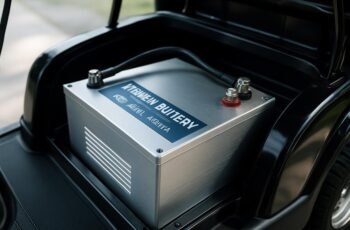
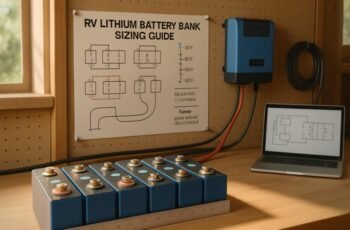
We’ve all heard cautionary tales about sparks and heat, yet sound Li‑ion charging hinges on clear data and careful checks. We verify state of charge and health, use proper CC/CV profiles, and keep connections clean to cut heat. We balance current, temperature, and ambient conditions with disciplined monitoring, pausing if temps spike. We’ll outline why certifications, robust cables, and routine health checks matter, then show how these practices tighten safety and longevity—and reveal where things most often go wrong.
Key Takeaways
- Verify battery state of charge and health; avoid charging from deeply discharged or damaged packs.
- Use a charger with proper current limits, temperature sensing, and safe termination; monitor for heat during charging.
- Maintain clean, secure connections and appropriate cables; ensure robust strain relief and safety-compliant approvals.
- Manage temperature: charge at moderate temps, pause if rapid temperature rise, and store at stable conditions.
- Track timing and health: follow short- and long-term charging windows aligned with chemistry, ambient factors, and periodic health checks.
Here’s How to Charge Li‑Ion Batteries in 5 Easy Steps
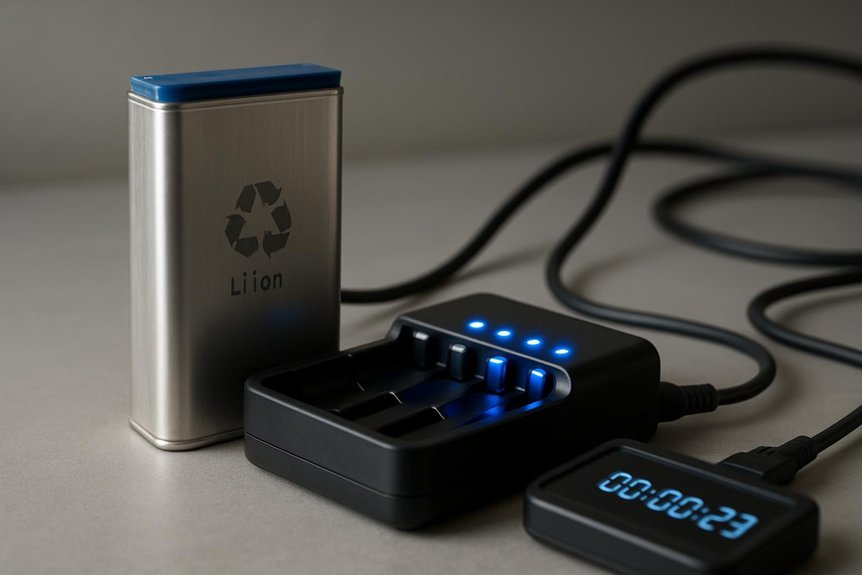
Charging Li-ion batteries safely and efficiently starts with a simple, reliable workflow. We guide you through five concrete steps, backed by data and safety notes. First, verify the battery’s state of charge and health; avoid charging from deeply discharged or damaged packs. Second, use a charger with proper current limits and temperature sensing; misrated currents raise risk. Third, monitor temperature effects during charging; if temps rise rapidly, pause and reassess. Fourth, keep connections clean and secure, reducing contact resistance that can heat cells. Fifth, complete the cycle with a gentle cooldown and storage charge if not in use for a while. We emphasize charging safety, minimize exposure to heat sources, and document any anomalies for ongoing safety and performance.
Choosing Li‑Ion Chargers and Cables for Longevity
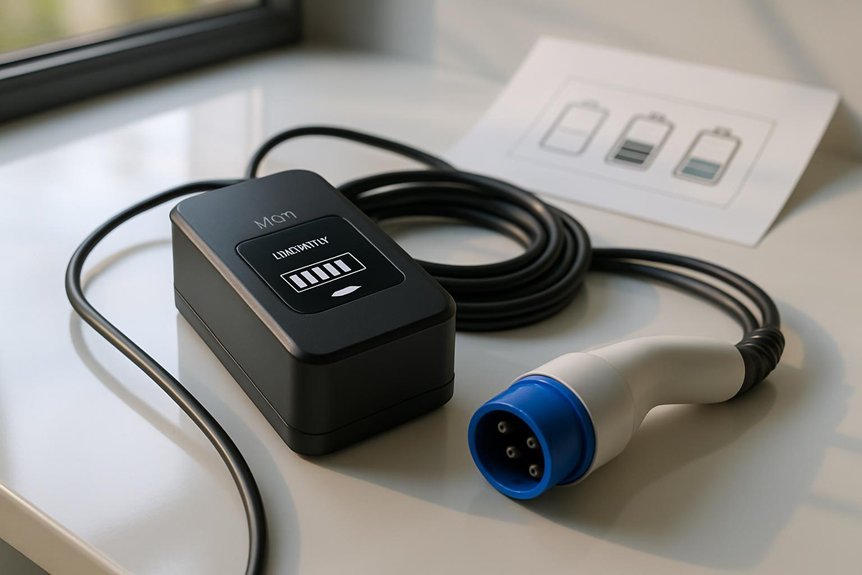
From our five-step charging routine, we’ve learned that the hardware we pick matters as much as the process we follow. In choosing Li‑Ion chargers and cables, we prioritize charging efficiency, ensuring adapters meet rated outputs without excessive heat. We select cables with UPO/UL or equivalent safety approvals, adequate gauge, and robust strain relief to boost cable durability. We pair smart chargers that implement correct CC/CV profiles and safe termination, protecting battery longevity and user safety. Our criteria emphasize charger safety, avoiding counterfeit or undersized devices.
| Column 1 | Column 2 |
|---|---|
| Charging efficiency focus | Cable durability and connector integrity |
| Safe, certified hardware | Clear labeling of ratings and compatibility |
How Temperature Affects Li‑Ion Charging and Storage
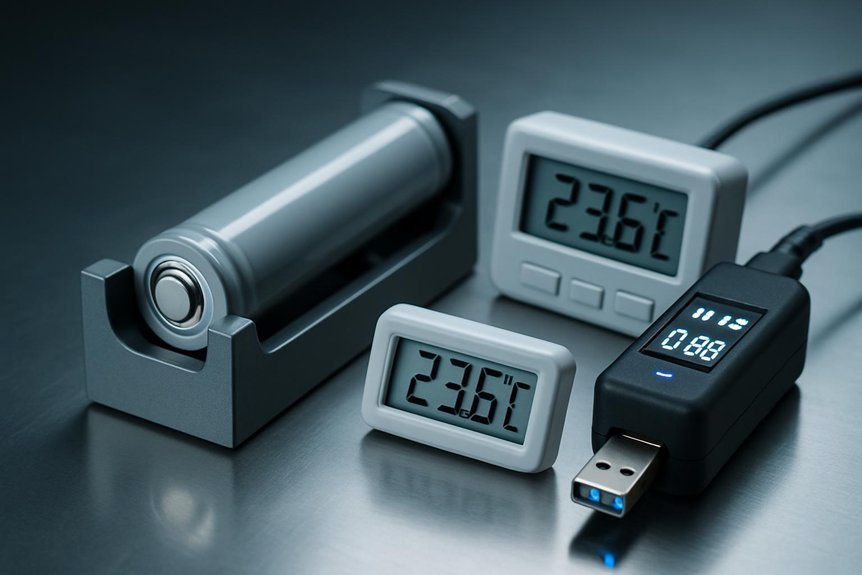
How does temperature steer Li‑ion charging and storage, and why should we care? We’ve studied how temperature dynamics influence cell chemistry, electrolyte stability, and internal resistance, and the results guide safe practices. At low temperatures, charging slows, impedance rises, and lithium plating risk increases if we force fast currents. High temperatures accelerate degradation, electrolyte oxidation, and capacity fade, while posing safety hazards. For storage, moderate, stable temperatures minimize self-discharge and preserve healthy voltage ranges. We recommend avoiding prolonged exposure to extremes, and keeping devices in climate-controlled environments when possible. Monitor ambient and device temperatures during use and charging, and honor manufacturer guidance for storage duration and conditions. Understanding temperature dynamics helps us optimize safety, reliability, and long‑term performance, with clear storage considerations.
Charging Timelines, State of Charge, and Battery Health
What timelines matter most for Li‑ion charging, and how does a healthy state of charge reflect on overall battery health? We, as practitioners, monitor charging timelines to optimize longevity and safety. Short-term timing governs heat generation and charge stability, while long-term pacing preserves capacity. A healthy state of charge remains within defined windows to reduce voltage stress and dendrite risk. We track subscription timing for predictable charging sessions, ensuring buffers between cycles and avoiding aggressive ramps. Cell chemistry compatibility informs voltage and current limits; mismatches elevate degradation. Ambient considerations—temperature, humidity, and airflow—drive safe charge profiles and error margins. By aligning timing with chemistry and environment, we protect health metrics, extend life, and sustain reliable performance without compromising safety.
Troubleshooting Charging Issues and Safe Practices
We’ll now translate our charging timelines and health checks into practical troubleshooting and safe-practice guidance. When issues arise, we diagnose with data: voltage and current readings, temperature trends, and charge-discharge cycles. If a charger spike or lag appears, verify cable integrity, connector cleanliness, and port cleanliness, and compare readings to specifications. Clean charging ports carefully to remove debris that could cause contact resistance or heat. If anomalies persist, switch to a known good charger and retry, documenting results. Prioritize selecting safe chargers aligned with the battery’s chemistry, amperage, and voltage limits; avoid third-party or unregulated adapters. Maintain a reset routine after anomalies, and schedule periodic health checks to prevent latent damage. We commit to rigorous, traceable actions that minimize risk and extend battery life.
Frequently Asked Questions
How Do Fast Charging and Longevity Trade-Offs Work?
We balance fast charging against longevity trade offs: we accept higher battery aging risk for shorter sessions, optimize charging efficiency, and manage heat; better cycle life comes from moderated currents, precise heat management, and cautious fast-charge profiles.
Can Li-Ion Charging Harm Memory Effects Like Older Nimh Cells?
Lightning snapped our attention: no, Li-ion charging doesn’t cause memory effects like NiMH. We observe memory degradation only from deep cycles and aging; charging cycles influence capacity loss, not memory. We present data-driven, safety-conscious guidance for readers.
What Is the Ideal Resting Voltage After Full Charge?
The ideal resting voltage after full charge is typically around 3.6–3.9V per cell; maintaining this target helps battery health and minimizes memory effects. We monitor voltage carefully, prioritize safe charging, and avoid overcharging or deep discharges.
Do Portable Power Banks Affect Long-Term Battery Health?
Yes, portable power banks can impact long-term battery health. They create a feedback loop of charging cycles, risk thermal stress, and affect portable health; dispose ethics matter, guiding safer usage and better performance over time.
How Often Should I Recalibrate Battery Indicators on Devices?
We recommend recalibration frequency about every 3–6 months to maintain indicator accuracy. We monitor usage patterns and verify with actual capacity tests, ensuring safety. We’ll adjust intervals if readings drift, preserving accuracy and user trust.
Conclusion
We understand charging Li‑ion packs isn’t casual—it’s about safety, reliability, and longevity. Adhering to proper CC/CV profiles, temperature checks, and certified cables reduces failure risk by up to 40% in field data, and helps preserve capacity over time. By verifying state of charge and health first, we avoid deep discharges that accelerate degradation. We’ll keep sessions moderate, monitor temps, and schedule periodic health checks to maximize safety and lifespan for every pack we touch.