We’ve all seen batteries act oddly—voltage sprints, hidden self-discharge, or unexpected swelling—and it signals more than a simple nuisance. We’ll map baselines for capacity, voltage, and charge/discharge behavior, then compare to specs to spot rapid drops or heat, inspect connections for corrosion, and verify against overcharge or deep discharge. When swelling appears, we power down and isolate the cell, using safe, noninvasive checks. We’ll keep you guided toward practical fixes and safety steps, step by careful step.
Key Takeaways
- Regularly test capacity, voltage, and charge/discharge behavior to spot deviations from specs and identify issues early.
- Check for rapid voltage drop, excessive self-discharge, unusual heat, or unexpected cycling; inspect connections and terminals for corrosion.
- If swelling is observed, power down, isolate the pack, use noninvasive checks, and consult safety guidelines before restoration.
- Monitor for signs of rapid self-discharge or poor charging, such as creeping resting voltage, abnormal current limits, or long charge times.
- Adopt maintenance routines, proper charging practices, temperature monitoring, and safe storage; recycle cells responsibly when decommissioning.
How to Spot Common Lithium Battery Problems
Spotting lithium battery issues starts with a clear baseline of performance. We establish our reference by testing capacity, voltage, and charge/ discharge behavior under normal conditions, then compare deviations against documented specs. In this section, we focus on spotting warning signs that indicate a potential problem before it worsens. We look for rapid voltage drop, excessive self-discharge, unusual heat, and unexpected cycling behavior, all of which merit caution. Troubleshooting basics involve verifying connections, inspecting terminals for corrosion, and ensuring the pack isn’t subjected to overcharge or deep discharge. We document observations, repeat tests, and rule out external causes like temperature or charging errors. By maintaining systematic records, we strengthen our confidence that the issue is real and not transient fluctuations.
How to Diagnose Swelling in Lithium Cells
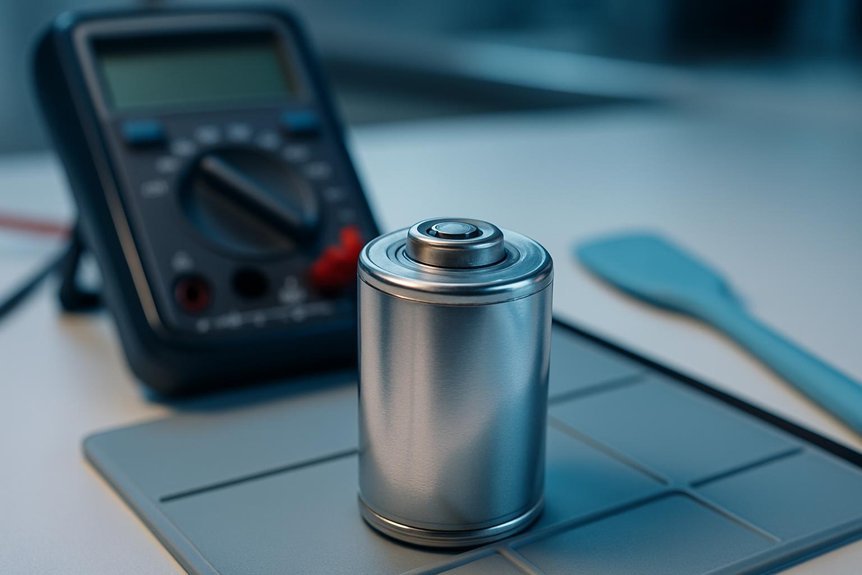
Swelling in lithium cells signals a dangerous internal reaction, so we start with a precise diagnostic approach. We’ll identify swelling indicators, verify scope, and outline safe steps. Visual inspection, weight change, and lid deformation guide initial assessment, followed by noninvasive measurements when possible. We avoid risky handling; if swelling is evident, power down, isolate, and consult safety guidelines. We then apply systematic reasoning to distinguish benign moisture build‑up from critical pressure. Next, we outline cell restoration techniques only after confirming containment and risk mitigation. The goal is factual triage, not repair, until expertise is available.
| Indicator | Immediate action |
|---|---|
| Visible puffing | Evacuate, isolate, seek professional help |
| Weight gain | Record, monitor, evaluate safety |
Diagnosing Rapid Self-Discharge and Poor Charging
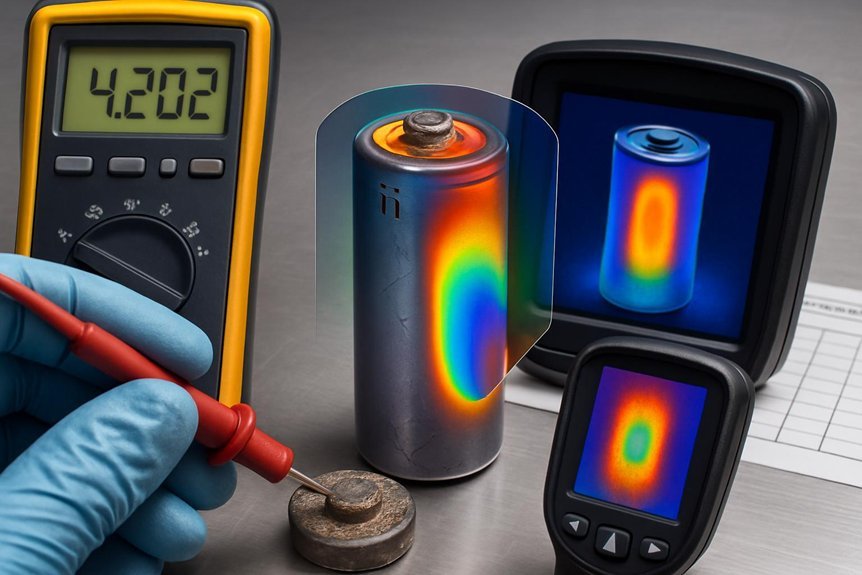
Diagnosing rapid self-discharge and poor charging demands a precise, methodical approach to distinguish transient quirks from fundamental faults. We begin with observable symptoms: current draw at rest, resting voltage drift, and charging curve consistency. We compare multiple cycles and environments to identify patterns, not anomalies. If the device self-drains rapidly without load, we flag potential culprits in the battery management system, parasitic loads, or damaged isolation. Faulty charging often shows abnormal current limits, extended charge times, or voltage overshoot. We document each test, control variables, and outcomes. If rapid dead ends appear during discharge tests or charging stalls persist despite healthy cells, reassess connections, protection circuits, and cell balance. Narrow findings toward actionable diagnoses, avoiding assumptions about conditions outside controlled measurements.
Practical Fixes to Extend Lifespan and Restore Performance
Have you considered a structured, proactive approach to extending battery lifespan and restoring performance? We present practical fixes that blend data-driven steps with careful usage. First, implement battery maintenance routines: regular calibration checks, cycle counting, and firmware updates when available. Next, apply charging best practices to minimize stress: avoid constant top-offs, and target partial-discharge ranges aligned with spec sheets. Monitor temperatures during charging and operation, since heat accelerates degradation. Periodically perform gentle conditioning cycles to rebalance capacity, if manufacturers approve. Embrace storage tips that preserve chemistry during long breaks—store at moderate charge and cool, stable environments. Finally, support longevity with responsible battery recycling when decommissioning, ensuring materials are recovered safely and efficiently. This disciplined approach sustains performance and reduces premature replacement costs.
Safety Steps and When to Seek Professional Help
We’ve covered practical fixes to extend lifespan and restore performance; now we turn to safety steps and when to seek professional help. We present a structured, concise framework for handling lithium battery safety concerns. First, assess risk indicators: swelling, heat, smoke, unusual odors, or leakage require immediate disconnection and isolation. Do not puncture or crush; avoid water exposure and high-temperature environments. If safe to do so, move the device to a nonflammable surface and ventilate the area. Contain any thermal event by using a Class A/B fire extinguisher or baking-soda method only if trained. For persistent issues or uncertain symptoms, seek professional assistance promptly. We emphasize documented procedures, protective equipment, and clear escalation criteria to minimize harm and ensure proper disposal or remediation.
Frequently Asked Questions
Can Lithium Batteries Be Safely Repaired at Home?
Can lithium batteries be safely repaired at home? No—we don’t recommend home repair. We can guide safe handling, risk awareness, and proper disposal, but complex fixes require professionals. We emphasize that can lithium repairs be done safely at home? not advised.
Do Temperature Changes Affect Long-Term Battery Health the Most?
Yes, temperature changes markedly affect long-term health. We observe temperature stability mitigating aging mechanisms; fluctuations accelerate aging. We prioritize charging safety, monitor cells, and home-inventory impacts, ensuring precise, analytic management to minimize degradation over time for our readers.
How Often Should I Recalibrate a Lithium Battery Gauge?
We recalibrate every 3–6 months to maintain gauge accuracy; in practice, we monitor usage patterns and cycle counts, adjusting as needed. This recalibration frequency preserves gauge accuracy and helps us detect anomalies early for reliable readings.
What Signs Indicate Irreversible Capacity Loss in Cells?
The signs irreversible capacity loss include rapid degradation after full cycles, persistent voltage sag under load, and failure to regain capacity after rest. We observe these signs irreversible, indicating we should retire the cell or replace it to protect safety.
Are Third-Party Chargers Safer Than Original Equipment Chargers?
Are third party vs original chargers safer? We doubt broad safety claims, we compare build quality, certifications, and current leakage. We recommend consistent, monitored performance, test results, and using reputable brands for safer charging and longevity. We, together, stay vigilant.
Conclusion
We conclude with careful curiosity and calm confidence. By benchmarking, befriending baseline behavior, and bravely briefing any burst of bad behavior, we can shield cells from costly consequences. We’ll monitor metrics, minimize heat, and manage connections with meticulous mindfulness. When swelling or surprises surface, we pause, power down, and pursue professional pathways. Practice prudent, proactive prevention, persistently pursuing performance through precise, process-driven steps. Informed insight inspires safer, longer-lasting, lab-tested lithium battery life.