When we shop for cheap lithium-ion batteries online, we should compare cost per watt-hour rather than relying on the listed price. We also need to match voltage, capacity, chemistry, dimensions, and discharge ratings to our device. Seller reviews, warranty terms, safety certifications, and shipping conditions reveal whether a bargain is genuine or risky. By evaluating these factors together, we can identify affordable options without sacrificing performance—but the lowest-priced listing may conceal the most important detail.
Key Takeaways
- Compare batteries by cost per watt-hour, chemistry, voltage, capacity, current rating, and expected cycle life—not purchase price alone.
- Verify voltage, cell configuration, dimensions, connector polarity, protection circuitry, and runtime requirements before ordering.
- Choose reputable sellers offering verified reviews, clear specifications, traceable manufacturers, warranties, and hassle-free returns.
- Request relevant documentation, including capacity-test results, UN 38.3 shipping compliance, and applicable safety certifications.
- Avoid suspiciously cheap batteries lacking test evidence, or showing swelling, damaged insulation, exaggerated capacity claims, or unclear seller information.
Compare Cheap Lithium Ion Battery Types
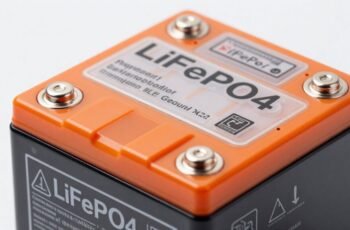
When comparing cheap lithium-ion batteries, we should evaluate chemistry, energy density, cycle life, safety, and total cost rather than purchase price alone. Lithium iron phosphate (LiFePO₄) cells typically deliver about 90–160 Wh/kg, tolerate roughly 2,000–5,000 cycles, and offer strong thermal stability. Nickel manganese cobalt (NMC) cells generally reach 150–250 Wh/kg, but their cycle life often falls near 1,000–2,000 cycles and demands stricter thermal management. Lithium titanate (LTO) costs more initially and stores less energy, commonly 50–90 Wh/kg, yet can exceed 10,000 cycles and charge rapidly. We should also inspect capacity-test data, internal resistance, certification, warranty terms, and manufacturer traceability. A lower-cost chemistry may provide better value when its operating environment, service life, and replacement frequency align with our application requirements. Balancing these metrics prevents misleading price comparisons.
Match Battery Voltage and Capacity
We’ll verify the battery’s voltage rating against your device’s required operating range to guarantee electrical compatibility. We’ll then compare capacity in ampere-hours or watt-hours with your estimated load and runtime requirements. This analysis helps us select a battery that delivers sufficient energy without unnecessary size, cost, or weight.
Verify Voltage Ratings
How do we verify voltage ratings before buying a lithium-ion battery online? We’ll first identify the device’s required nominal voltage, then compare it with the battery listing and datasheet. Nominal voltage describes the pack’s operating average, while maximum charge voltage determines charger compatibility. For example, a 3.7-volt lithium-ion cell typically reaches 4.2 volts when fully charged; a three-cell series pack is thus 11.1 volts nominal and 12.6 volts maximum. We shouldn’t substitute ratings based only on physical fit or connector type. We’ll confirm the chemistry, cell count, series configuration, and seller-stated tolerances. The battery-management system must also support the specified charging limits and discharge cutoff. If the listing omits these values, we’ll request manufacturer documentation or choose a verifiable supplier before ordering.
Compare Capacity Requirements
After confirming voltage compatibility, we’ll compare the device’s required capacity with the battery’s rated ampere-hours (Ah) or watt-hours (Wh). We’ll estimate demand by multiplying operating current by runtime: Ah = amperes × hours. For watt-hour calculations, we’ll multiply voltage by ampere-hours, then account for conversion losses. If a device draws 2 A for 5 hours, it needs at least 10 Ah; adding a 20% reserve raises the target to 12 Ah. We shouldn’t treat capacity as a guaranteed runtime, because temperature, discharge rate, battery age, and cutoff settings reduce usable energy. We’ll also verify the battery’s continuous and peak current ratings against the device’s load. Choosing a pack with adequate capacity and current capability prevents voltage sag, premature shutdowns, overheating, and accelerated cell degradation during operation.
Find Cheap Lithium Ion Batteries Online
To find cheap lithium-ion batteries online, we’ll compare prices by voltage, capacity, chemistry, and cost per watt-hour rather than relying on the listed price alone. We’ll also evaluate seller reliability through verified reviews, warranty terms, return policies, and transparent specifications. These metrics help us identify genuine value while reducing the risk of counterfeit, degraded, or unsafe cells.
Compare Battery Prices
Comparing lithium-ion battery prices online starts with more than the sticker price: we should evaluate cost per watt-hour, capacity, voltage, cycle life, warranty coverage, shipping, and seller reputation. We can calculate cost per watt-hour by dividing the delivered price by nominal voltage multiplied by amp-hours. This normalizes comparisons between differently sized packs. Next, we should estimate lifetime energy cost: divide purchase price by expected lifetime watt-hours, calculated from usable capacity, rated cycles, and depth-of-discharge limits. A battery with a higher initial price may cost less over time if it offers greater cycle durability or usable capacity. We should also separate included accessories, taxes, and shipping from the battery price, then compare equivalent specifications. Discounts matter, but we shouldn’t sacrifice required voltage, current capability, or documented capacity to achieve a lower total.
Check Seller Reliability
Before we buy a cheap lithium-ion battery online, we should verify the seller’s reliability through independent reviews, transaction history, warranty terms, and responsive customer support. We’ll compare evidence rather than trust star ratings alone. Review volume, recency, verified-purchase ratios, and complaint patterns can reveal fulfillment or safety problems.
- Confirm the business identity, physical address, and contact channels.
- Check marketplace feedback across multiple platforms and dates.
- Read warranty, return, and refund conditions for exclusions.
- Request test data, certifications, and documented shipping practices.
We should also examine product-specific reviews for capacity accuracy, cycle life, swelling, and delivery damage. Sellers that publish datasheets, lot numbers, and compliance documentation demonstrate stronger traceability. Before paying, we’ll ask technical questions and measure response quality: clear, prompt answers indicate accountability. Finally, we should use protected payment methods and avoid listings with unusually low prices, copied specifications, or pressure to pay off-platform.
Compare Prices Beyond the Listing
When we compare lithium-ion battery prices online, we should evaluate the total delivered cost rather than the headline listing price. We’ll calculate a comparable unit cost by adding shipping, taxes, payment fees, required accessories, and expected replacement expenses. A $20 battery with $12 shipping may cost more than a $27 battery with free delivery. We should also normalize specifications: divide price by watt-hours, amp-hours, or usable capacity, while matching voltage and chemistry. A 10,000 mAh label at 3.7 volts represents approximately 37 Wh before conversion losses; advertised capacity alone can mislead comparisons. We’ll record seller price, delivery charge, estimated arrival, warranty duration, and return costs in a spreadsheet. Then we can rank offers by delivered cost per usable watt-hour, not promotional discounts, coupons, or artificially low base prices.
Check Battery Safety Certifications
Delivered cost only matters if the battery meets basic safety requirements. When we compare lithium-ion batteries online, we should verify certification marks against the exact model, chemistry, and rated voltage—not rely on generic marketplace claims. A legitimate listing should identify the testing laboratory, certificate number, and applicable standard.
- UL 1642: evaluates lithium-ion cells.
- UL 2054: covers household and commercial battery packs.
- IEC 62133-2: addresses portable sealed secondary cells and batteries.
- UN 38.3: confirms transport testing, including altitude, vibration, shock, and thermal cycling.
We should download certificates from the laboratory or manufacturer, then check that dates, capacities, and pack configurations match the product. CE marking alone may indicate conformity, not independent testing. Missing documentation, altered logos, or certificates naming different models are measurable warning signs, so we should exclude those batteries before comparing prices further. Safety certification lowers uncertainty; it doesn’t prove performance, capacity, or longevity.
Evaluate Sellers, Warranties, and Reviews
Which seller can substantiate its claims after the sale? We should compare documented warranty terms, return procedures, and review quality—not headline price alone. A credible seller publishes capacity tolerances, manufacturing dates, support contacts, and clear exclusions. We should verify whether the warranty covers premature capacity loss, swelling, or dead-on-arrival units, and record the required evidence and response window.
| Evidence | What we should check |
|---|---|
| Warranty | Duration, exclusions, replacement process |
| Reviews | Verified purchases, recurring failure patterns |
Treat reviews as a dataset: prioritize recent, verified feedback; separate shipping complaints from electrical failures; and look for consistent reports across platforms. Sellers with many reviews but unexplained rating spikes deserve scrutiny. We should also confirm invoice availability and whether the seller—not an anonymous marketplace intermediary—handles claims. A slightly higher price can reduce expected cost when warranty fulfillment is measurable, responsive, and supported by traceable documentation.
Choose Batteries for Your Specific Device
Before we compare models, we should match the battery to the device’s electrical and physical requirements. Start with the manufacturer’s specifications, then verify each value against the listing. Voltage must match exactly; even small deviations can affect performance or damage circuitry. Capacity, measured in milliamp-hours, estimates runtime, but higher capacity may increase weight and dimensions. We should also confirm chemistry, cell format, connector polarity, and protection-circuit requirements.
- Voltage: Match the nominal and maximum charging values.
- Capacity: Compare mAh ratings under comparable test conditions.
- Dimensions: Measure length, width, thickness, and terminal placement.
- Current: Ensure continuous and peak discharge ratings meet device demand.
Consider temperature range and cycle-life data when the device operates continuously. We shouldn’t modify connectors or force an incompatible pack. A precise fit supports reliable operation, charging compatibility, and predictable runtime.
Avoid Dangerous Lithium Ion Battery Deals
When we evaluate online lithium-ion battery deals, we shouldn’t treat unusually low prices as savings until the seller provides verifiable specifications and safety information. We should confirm nominal voltage, capacity in watt-hours, cell chemistry, continuous discharge rating, and dimensions against the device manufacturer’s requirements. Listings lacking a model number, datasheet, traceable manufacturer, or independent test evidence deserve rejection. We should also check for reputable certifications, including UL, IEC, or UN 38.3 transport testing, while recognizing that logos alone don’t prove compliance. Avoid packs with swollen cells, damaged insulation, mismatched specifications, or claims such as “universal” high capacity without supporting measurements. We should inspect warranty terms, return procedures, seller history, and review patterns for reports of overheating or capacity fraud. A modestly higher price often buys documented quality control, protection circuitry, and lower fire risk.
Frequently Asked Questions
Can Lithium-Ion Batteries Be Recycled After They No Longer Hold a Charge?
Yes, we can recycle lithium-ion batteries after they stop holding charge. We should deliver them to certified collection centers, where operators recover metals, separate components, manage fire risks, and process remaining materials safely.
How Should Lithium-Ion Batteries Be Stored When They Are Not Being Used?
Store lithium-ion batteries cool and dry, but never frozen or damp. We’ll keep them at roughly 30–50% charge, away from metal objects, sunlight, and heat, and inspect regularly for swelling or damage.
What Is the Typical Lifespan of a Lithium-Ion Battery?
A lithium-ion battery typically lasts 2–5 years or 500–1,000 full charge cycles. We’ll extend its service life by avoiding heat, deep discharges, overcharging, and prolonged storage at either extreme state-of-charge levels.
Can Lithium-Ion Batteries Be Shipped Internationally?
Yes, we can ship lithium-ion batteries internationally, but regulations vary by destination. We’ll classify chemistry, watt-hours, packaging, and transport mode, then verify IATA, IMDG, carrier, customs, and import requirements before dispatch.
How Can I Dispose of a Damaged or Swollen Lithium-Ion Battery Safely?
We should isolate the damaged or swollen battery, avoid charging, puncturing, or transporting it, and contact local hazardous-waste services or firefighters for instructions. Don’t place it in household trash, recycling, water, or metal containers.
Conclusion
We can find cheap lithium-ion batteries online without treating the lowest price as the best value. By comparing watt-hours, chemistry, certifications, warranty coverage, and verified reviews, we reduce both cost and risk. A useful image is that a 10,000 mAh battery at 3.7 V stores about 37 Wh—enough to expose major differences in price per watt-hour across listings. Let’s match voltage and capacity precisely, verify seller policies, and reject suspicious deals lacking traceable safety information.