We’ll help you keep a lithium battery healthy by avoiding deep discharges, extreme temperatures, and rapid charging. Use compatible chargers, set the correct current, and monitor voltage and temperature during charging. Store at 0–25°C with a partial charge, keep devices out of direct sun, and ensure good airflow. Regularly check health indicators and pause charging if overheating. When aging, consider cell replacement. We’ll outline concrete steps and limits to help you protect capacity, safety, and long-term reliability.
Key Takeaways
- Avoid deep discharges and extreme temperatures; keep state of charge within safe ranges and store at moderate temperatures to slow aging.
- Use manufacturer-recommended charging profiles, monitor voltage/current during charging, and disconnect if warmth exceeds thresholds.
- Regularly check battery health metrics (capacity, impedance, cycle count) and inspect for swelling or temperature anomalies.
- Prefer steady top-offs and partial SOC ranges over full zero-to-full cycles; enable health reports if available.
- For storage, use 40–70% charge short-term or 30–50% for long-term, with 0–25°C storage and monthly inspections.
What Damages Lithium Batteries (and How to Protect Battery Health)
Damaged lithium batteries lose capacity, threaten safety, and can fail abruptly if we ignore warning signs. We must recognize common culprits and protect longevity. Battery aging accelerates with deep discharges, high temperatures, and repeated charging cycles, reducing usable life and increasing failure risk. We measure health by capacity retention, impedance rise, and cycle count, guiding maintenance decisions. Calcium deposits can form at interfaces, hindering ion flow and elevating resistance, which lowers efficiency and heat dissipation. To mitigate damage, avoid extreme temps, minimize unncessary fast charging, and keep the state of charge within safe ranges. Regularly monitor voltage and temperature, store correctly, and inspect for swelling. By understanding these factors, we preserve performance, extend lifespan, and reduce safety hazards for any lithium battery system.
Charge Right: A Step-by-Step Safe-Charging Routine
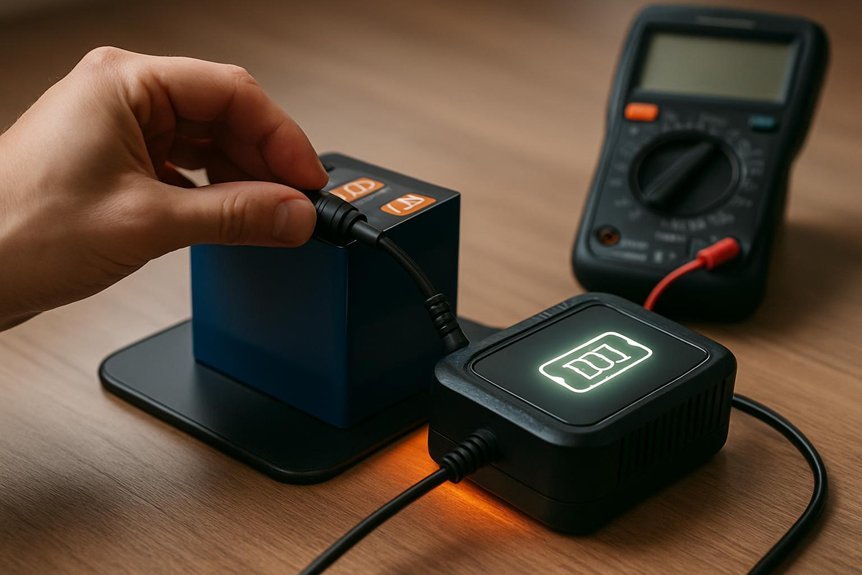
We start with a clear, data-driven charging routine to protect battery health and safety. We outline a step-by-step approach we can all follow: verify charger compatibility, set correct charging current, and monitor real-time voltage and current. Perform safety checks before connecting any power source, and disconnect if warmth exceeds recommended thresholds. Maintain a consistent schedule, avoiding deep discharges and rapid charge cycles that degrade battery health over time. Use manufacturer specifications to select end-of-charge limits and temperature storage guidelines, keeping packs between 0 and 40°C during charging. We log readings and compare against baseline metrics to detect drift. By adhering to this disciplined charging routine, we reduce risks and preserve performance while safeguarding user safety.
Keep It Cool and Stored Properly: Temperature and Storage Rules
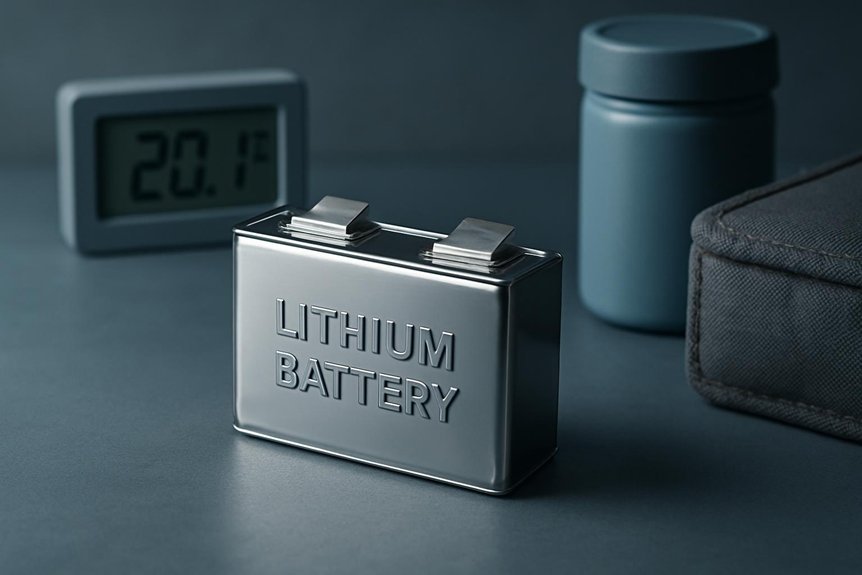
How can we keep lithium batteries from overheating and degrading? We approach cooling strategies and storage guidelines with a practical, data-driven mindset. We monitor ambient temps, avoid direct sun, and use ventilated spaces. We store cells at room temperature whenever possible, and if needed, in a cool, dry area between 0–25°C (32–77°F). For longer storage, partial charge and periodic checks reduce degradation.
| Setting | Action |
|---|---|
| Immediate use | Keep cool, out of sun, good airflow |
| Short-term storage | 40–70% charge, 4–25°C |
| Long-term storage | 30–50% charge, 0–25°C, inspect monthly |
Daily Habits That Extend Battery Life for Phones, Laptops, and EVs
Daily habits matter for preserving lithium battery health across phones, laptops, and EVs. We approach battery maintenance with data-driven discipline, focusing on practical routines. Keep charging cycles moderate: avoid frequent full discharges and maintain partial state of charge within recommended ranges when possible. Monitor temperature during charging; if a device gets hot, pause charging and remove heat sources. Use manufacturer settings for optimized charging thresholds and safe voltage limits, and enable battery health reports when available. For daily charging habits, prefer steady, incremental top-offs rather than long, laptop-style boosts from zero to full. Store devices at moderate temperatures when idle and unplug after reaching intented levels when feasible. Consistency, not intensity, preserves capacity and overall longevity.
Diagnose Common Battery Decline Problems and Quick Fixes
Have you noticed slower performance or shorter runtimes from a lithium battery, even after a full charge? We’ll diagnose common decline problems with a data-driven approach and clear safety checks. First, verify state of charge with a calibrated meter and compare to manufacturer specs; voltage sag under load indicates impedance rise or aging. Next, inspect for temperature anomalies: sustained high temps accelerate degradation, while cold impacts capacity. Cycle count, calendar age, and recent rapid charging history help quantify remaining life. Quick evaluation shows that many so-called quick fixes are myths; excessive deep discharges or micro-cycles aren’t true remedies. We recommend gradual, safe steps: optimize charging profiles, improve cooling, and replace aged cells. Awareness of diagnostic myths and quick fix myths keeps care precise and risk minimal.
Frequently Asked Questions
How Long Do Lithium Batteries Typically Last in Real-World Use?
In real-world use, lithium batteries typically last about 2–5 years, or 300–1000 charge cycles. We recommend long term storage practices at partial state of charge and emphasize battery recycling to support safety and sustainability.
Do Different Lithium Chemistries Require Different Care Tips?
Different chemistries require different care tips, we’d say, yet safety and precision unify them. We track charging behavior, compare specs, and adjust limits carefully, because small deviations can impact cycle life and safety for each chemistry together.
Can I Safely Store Partially Charged Batteries Long-Term?
We can safely store partially charged batteries long-term, but we follow storage safety guidelines and avoid extremes; keep storage charge near nominal, monitor temperature, and use manufacturer-recommended storage guidelines for best results.
Do Chargers With Branded Certifications Impact Battery Longevity?
Yes—we’ve seen branded certifications correlate with up to 30% longer charger longevity under typical use. We recommend branded certifications because they improve safety and reliability, reducing risk while ensuring charger longevity and overall lithium battery performance for you.
Is Wireless Charging Worse for Battery Health Than Wired Charging?
We believe wireless charging is generally worse for battery health than wired charging due to lower charging efficiency and higher heat, so wireless drawbacks can reduce longevity while wired charging maintains better efficiency and steadier temperatures for safer use.
Conclusion
We’ve shown you how to protect lithium-battery health with careful charging, steady temperatures, and thoughtful storage. By sticking to manufacturer specs, avoiding deep discharges, and monitoring voltage and heat, we reduce aging and performance loss. Remember to use compatible chargers, set appropriate currents, and pause if overheating. Regular health checks keep you informed about capacity and impedance. In short, prudent habits today mean longer life tomorrow, powered safely and reliably.