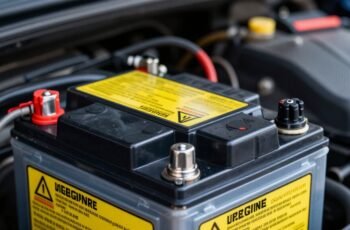
Ensuring safety when charging lithium batteries is critical to prevent potential hazards such as thermal runaway, fires, or damage to the device. We recognize the importance of following precise protocols, from selecting compatible chargers to monitoring temperature and handling damaged cells properly. By adhering to proven safety practices, we can mitigate risks effectively. Let’s examine essential guidelines that help maintain safety and extend the lifespan of your batteries, starting with how to choose the right charger for your specific needs.
Key Takeaways
- Use certified chargers matching the battery’s voltage, current, and chemistry specifications to prevent overcharging and damage.
- Monitor charging temperatures regularly, keeping surface temperatures between 20°C and 45°C, and stop if exceeding 60°C.
- Charge batteries in well-ventilated, cool environments away from extreme heat and moisture.
- Handle damaged or swollen batteries with caution and dispose of them at authorized facilities.
- Avoid charging in confined spaces and supervise the process to prevent thermal runaway and safety hazards.
How Lithium Batteries Can Be Dangerous During Charging
Although lithium batteries are widely used for their high energy density and rechargeability, they pose significant risks during charging if not properly managed. During the charging process, excessive heat can generate within the cell due to internal resistance, leading to thermal runaway, which can cause fires or explosions. Overcharging can damage the battery’s internal structure, causing dendrite formation that may puncture separators and short-circuit cells. Inconsistent charging voltages or currents can destabilize the chemical balance within the battery, increasing the risk of thermal events. Additionally, manufacturing defects, such as faulty separators or compromised cathodes, heighten vulnerability to internal short circuits. Proper management of charging parameters and thermal regulation is vital to prevent these hazards and ensure safe operation.
Choosing the Right Charger for Your Lithium Battery
Selecting the appropriate charger requires careful attention to compatibility with your lithium battery’s specifications to guarantee safe and efficient charging. Charging speed is also a critical factor, as exceeding recommended rates can compromise battery integrity. We must evaluate both compatibility and speed to optimize safety and performance.
Compatibility Considerations
How do you guarantee your lithium battery receives the correct charge? Ensuring compatibility between your battery and charger is critical for safety and longevity. Select a charger with a voltage and current output matching your battery’s specifications. Using an incompatible charger can cause overcharging, overheating, or capacity loss. Always verify the chemistry type—Li-ion, LiPo, or others—to match the charger’s settings.
| Charger Specification | Battery Compatibility |
|---|---|
| Voltage Output | Match battery voltage |
| Current Rating | Equal or slightly higher than battery’s recommended charging current |
| Chemistry Type | Same chemistry as battery |
| Connector Type | Properly fitted connector |
Proper compatibility minimizes risks and optimizes performance.
Charging Speed Factors
Choosing the right charger involves understanding how various factors influence charging speed and overall battery health. One key factor is current regulation; chargers delivering higher current charge batteries faster but can cause overheating if not properly managed. Voltage consistency also impacts speed; chargers must match the battery’s nominal voltage to maximize efficiency and prevent damage. Additionally, the charger’s power output and circuitry design determine how quickly energy transfers without compromising safety. Temperature management features, such as built-in cooling systems, help sustain ideal charging rates while preventing thermal stress. Ultimately, the battery’s chemistry and capacity set practical limits on charging speed—overly aggressive charging can degrade lifespan. Balancing these factors ensures efficient, safe charging tailored to your lithium battery’s specifications.
Best Practices for Safe Charging at Home and on the Go
To guarantee safe charging both at home and on the go, we must adhere to strict protocols that minimize risks such as overheating, short circuits, or fire hazards. Use chargers specifically designed for lithium batteries, ensuring they meet recognized safety standards. Always connect batteries to chargers with compatible voltage and current ratings, avoiding overcurrent conditions that can lead to thermal runaway. Maintain a stable environment; avoid exposing devices to extreme temperatures or moisture during charging. When on the move, utilize portable charging solutions with built-in safety features like auto shutoff and temperature regulation. Regularly inspect cables and connectors for signs of wear or damage, replacing them immediately. Adhering to these practices ensures efficient charging while considerably reducing potential safety hazards.
How to Detect and Prevent Overheating and Fire Risks
To prevent overheating and fire risks, we must continuously monitor charging temperatures to identify abnormal heat buildup. Proper ventilation around the charger and battery helps dissipate heat effectively, reducing thermal stress. Implementing these measures enhances safety and minimizes the chance of thermal runaway incidents.
Monitor Charging Temperatures
Monitoring charging temperatures is essential to prevent overheating and reduce fire risks associated with lithium batteries. Consistent temperature tracking allows early detection of abnormal heat buildup, which can indicate potential failure. Use a reliable thermometer or thermal sensor to measure battery surface temperature during charging. Maintain temperatures within manufacturer-recommended ranges, typically between 20°C and 45°C.
| Temperature Range | Action |
|---|---|
| Below 20°C | Ensure proper heating before charging |
| 20°C – 45°C | Ideal charging conditions |
| 45°C – 60°C | Monitor closely; reduce charging rate |
| Above 60°C | Stop charging immediately; inspect for damage |
Use Proper Ventilation
Proper ventilation is critical in dissipating heat generated during lithium battery charging, thereby preventing overheating and reducing fire risk. Effective airflow around the charger and batteries ensures thermal energy is carried away efficiently, maintaining ideal temperature levels. Enclosed or poorly ventilated spaces trap heat, increasing the likelihood of thermal runaway. To detect overheating, regularly monitor the temperature of the charger and batteries during operation with a reliable thermal sensor. Preventative measures include choosing well-ventilated areas, avoiding stacking batteries or chargers in confined spaces, and ensuring vents are unobstructed. Proper ventilation not only reduces the risk of fire but also prolongs battery lifespan by maintaining stable operating conditions. Consistent thermal management is essential for safe, reliable lithium battery charging.
What to Do If Your Battery or Charger Shows Signs of Damage
When you notice signs of damage on your lithium battery or charger, it’s essential to act immediately to prevent potential hazards. Discontinue use and carefully inspect for visible issues such as swelling, leakage, or burns. Do not attempt to repair damaged components. Proper disposal is crucial to avoid fire risks or chemical exposure. Use the following guidelines:
| Damage Type | Immediate Action | Disposal Method |
|---|---|---|
| Swelling or Bloating | Power off device, isolate battery, seek professional disposal | Contact authorized recycling centers |
| Leaking Fluid | Avoid contact, place in non-flammable container | Follow local hazardous waste protocols |
| Visible Burn Marks | Disconnect, avoid further handling | Dispose at certified hazardous waste sites |
| Cracks or Breaks | Cease use, secure the device, replace immediately | Discard in accordance with regulations |
Always follow manufacturer instructions and local regulations.
Proper Storage and Handling to Extend Battery Life and Safety
To maximize the lifespan and safety of lithium batteries, it’s essential to store and handle them correctly, as improper practices can lead to reduced performance or hazardous conditions. Proper storage involves maintaining optimal temperature, avoiding physical damage, and keeping batteries at a partial state of charge. Mishandling risks include exposure to extreme temperatures, mechanical shocks, and moisture, which can cause internal damage or thermal runaway. To ensure safety and longevity, consider these key practices:
- Store batteries in a cool, dry environment away from direct sunlight
- Avoid stacking or dropping batteries to prevent internal damage
- Maintain a storage charge level of approximately 30-50% for long-term storage
Adherence to these guidelines minimizes degradation and reduces safety hazards.
Common Mistakes to Avoid When Charging Lithium Batteries
Charging lithium batteries improperly can substantially compromise their safety and lifespan. One common mistake is using incompatible chargers that do not match the battery’s voltage and current specifications, risking overcharging or overheating. Another error is neglecting to monitor the charging process, which can lead to thermal runaway if the battery overheats or is charged at an excessive rate. Additionally, leaving batteries connected to chargers beyond full capacity can cause stress and degradation; always remove or disconnect once fully charged. Using damaged or counterfeit chargers markedly increases risk, as they may lack proper safety features. Lastly, charging in high-temperature environments accelerates degradation and raises safety concerns. Adhering to manufacturer guidelines, using certified chargers, and avoiding these mistakes help ensure safe, efficient charging and extend battery lifespan.
Frequently Asked Questions
Can Lithium Batteries Be Safely Charged With Wireless Chargers?
Yes, lithium batteries can be safely charged with wireless chargers if they’re designed specifically for such batteries, with proper voltage regulation and safety features; always guarantee compatibility and manufacturer recommendations before wireless charging.
Are There Specific Safety Certifications I Should Look for in Chargers?
We recommend looking for chargers with certifications like UL, CE, or FCC, as these guarantee compliance with safety standards. These certifications indicate the charger has undergone rigorous testing, reducing risks of overheating, fire, or damage during lithium battery charging.
How Often Should I Inspect My Lithium Battery for Safety Issues?
We inspect our lithium batteries weekly for signs of swelling, corrosion, or damage, ensuring connections are secure, and monitoring for abnormal heat or odors during use. Regular inspections help prevent safety hazards and maintain peak performance.
Can Temperature Fluctuations Affect Lithium Battery Charging Safety?
Temperature fluctuations can markedly impact lithium battery charging safety, causing thermal runaway or reduced efficiency. We advise monitoring ambient conditions carefully, as sudden changes can compromise battery integrity and safety, demanding precise control during charging processes.
What Are the Legal Regulations Regarding Lithium Battery Safety?
We adhere to regulations like UN38.3 for transport, IEC 62133 for safety standards, and local fire safety codes. These guarantee lithium battery safety during manufacturing, transportation, and usage, minimizing risks of thermal runaway and hazardous incidents.
Conclusion
While it might seem straightforward, neglecting proper lithium battery charging precautions can turn a simple task into a dangerous predicament. Ironically, the very devices designed to power our lives can become hazards if mishandled. By following strict safety protocols—using certified chargers, monitoring temperatures, and handling damage responsibly—we guarantee longevity and safety. After all, the true power lies in our diligence, not just in the batteries themselves. Stay vigilant; safe charging isn’t just a suggestion, it’s essential.