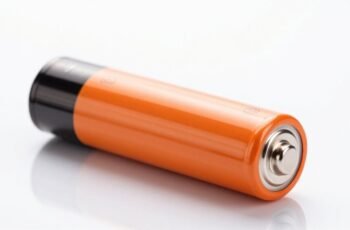
Imagine a smartphone battery overheating during charging, leading to a potential fire hazard. Such incidents highlight the importance of strict safety protocols for lithium-ion batteries. Ensuring proper handling, storage, and charging practices is essential to prevent accidents and device failures. Understanding these safety measures not only protects your equipment but also your safety. We’ll explore critical guidelines that can markedly reduce risks associated with lithium-ion batteries and help you maintain safe usage.
Key Takeaways
- Store batteries in cool, dry areas at around 50% charge to prevent capacity loss and safety hazards.
- Use only manufacturer-approved chargers and monitor charging to prevent overheating and overcharging.
- Inspect batteries regularly for swelling, corrosion, or leaks, and handle any damage immediately.
- Purchase from reputable sources, verify authenticity, and avoid counterfeit or tampered batteries.
- Follow safety regulations during transportation and handling to minimize fire, explosion, and environmental risks.
Understanding Lithium-Ion Batteries and Their Risks
While lithium-ion batteries are widely used due to their high energy density and rechargeability, understanding their fundamental properties and associated risks is essential for safe handling. These batteries consist of a lithium-based cathode, an anode typically made of graphite, and an electrolyte that facilitates ion movement. During operation, lithium ions shuttle between electrodes, generating electrical energy. However, their chemical composition makes them susceptible to thermal runaway if damaged or improperly charged, leading to fires or explosions. Internal short circuits, overcharging, or mechanical damage can compromise the separator or cause dendrite formation, increasing risk. Recognizing these vulnerabilities helps us appreciate the importance of proper design, manufacturing, and handling practices to mitigate hazards associated with lithium-ion battery usage.
Proper Handling and Usage Guidelines for Safety
Proper handling procedures and correct charging practices are essential to guarantee safety during lithium-ion battery use. We must follow manufacturer guidelines for safe handling, including avoiding punctures and exposure to extreme temperatures. Additionally, using approved chargers and monitoring charging cycles help prevent risks associated with overcharging and thermal runaway.
Safe Handling Procedures
Handling lithium-ion batteries safely requires strict adherence to established procedures to prevent accidents. We guarantee that batteries are stored in a cool, dry environment, away from direct sunlight and heat sources, to minimize thermal risks. When handling, we wear protective gloves and eye protection to prevent contact with electrolyte leaks or debris. We avoid puncturing, crushing, or applying excessive force to batteries, as mechanical damage can lead to internal short circuits or thermal runaway. We always inspect batteries for signs of damage, swelling, or corrosion before use or disposal, and do not use compromised units. Proper grounding and static precautions are mandatory to prevent electrostatic discharge. These disciplined handling practices are essential to mitigate safety hazards associated with lithium-ion batteries.
Proper Charging Practices
To guarantee safe and efficient operation, we must follow strict charging protocols for lithium-ion batteries. Proper charging involves using only manufacturer-approved chargers that match the battery’s voltage and current specifications. Overcharging can lead to thermal runaway, so active monitoring and the use of built-in safety circuitry are essential. Charging at recommended rates prevents excessive heat buildup, which can compromise cell integrity. Avoid charging in high-temperature environments, as elevated temperatures accelerate degradation and increase safety risks. Additionally, never leave batteries unattended during charging, and disconnect promptly once fully charged. Maintaining a consistent charging routine minimizes capacity loss and prolongs battery lifespan. Implementing these protocols ensures safety, optimizes performance, and reduces the risk of hazardous incidents associated with improper charging.
How to Recognize Signs of Battery Damage or Malfunction
Recognizing early signs of battery damage or malfunction is crucial for ensuring safety and preventing potential hazards. Visible deformations such as swelling or bulging indicate internal gas buildup caused by thermal stress or internal short circuits. Discoloration, corrosion, or leakage around the terminals suggest electrolyte leakage, which compromises structural integrity. Unusual heat generation during operation, even without external charging, signals internal resistance issues or thermal runaway risk. A rapid drop in voltage or unexpected shutdowns may reflect internal component failure. Additionally, persistent or abnormal odors can indicate electrolyte decomposition or venting. Regular inspection for these signs allows prompt action, reducing the risk of fire, explosion, or chemical leaks. Vigilance in identifying these symptoms helps maintain safe battery operation and prolongs device lifespan.
Safe Charging Practices to Prevent Overheating
Proper charging practices are essential to prevent overheating and maintain lithium-ion battery safety. We recommend always using chargers compatible with the battery’s specifications, as using incompatible chargers can cause voltage fluctuations leading to thermal stress. Avoid overcharging by disconnecting the device once it reaches full capacity, since continuous charging increases heat buildup. Implementing smart chargers with built-in temperature regulation can mitigate overheating risks. Charging in well-ventilated areas helps dissipate heat effectively. Additionally, avoid exposing the battery to external heat sources during charging, as elevated ambient temperatures elevate internal cell temperatures, increasing failure risk. Regularly inspect charging cables and connectors for damage or wear, replacing compromised components immediately to prevent short circuits and heat generation. Adhering to these practices minimizes thermal stress and enhances overall battery safety.
Storing Lithium-Ion Batteries Safely When Not in Use
When storing lithium-ion batteries for an extended period, maintaining ideal conditions is crucial to prevent capacity loss and safety hazards. We recommend storing batteries at a state of charge between 30% and 50%, as this minimizes stress and degradation over time. The storage environment should be cool, with temperatures between 15°C and 25°C, to reduce chemical activity and thermal risk. Avoid exposure to high humidity, which can lead to corrosion, and ensure batteries are kept in a dry, ventilated space. Use a non-conductive, flame-retardant container for added safety. Periodic inspection for swelling, leakage, or corrosion is essential, even during long-term storage. Adhering to these guidelines preserves battery integrity and minimizes potential safety concerns.
What to Do in Case of a Battery Fire or Explosion?
While careful storage minimizes risks, lithium-ion batteries can still pose fire hazards if damaged or improperly handled. If a battery catches fire or explodes, immediately activate a fire suppression method suitable for electrical fires, such as a Class D or lithium-ion fire extinguisher. Do not use water, as it can exacerbate the reaction. Evacuate the area to prevent inhalation of toxic fumes and ensure proper ventilation. If safe, disconnect the power source to prevent ongoing thermal runaway. Monitor the battery carefully until it is fully cooled, which can take several hours. Contact emergency services if the fire is uncontrollable or if toxic smoke persists. Prompt, precise action reduces damage and mitigates health risks associated with lithium-ion battery fires.
Choosing Quality Batteries and Avoiding Counterfeits
Ensuring the authenticity of lithium-ion batteries before purchase is critical to safety and performance. We recommend buying exclusively from reputable sources that provide verified product documentation. Verifying authenticity reduces the risk of counterfeit batteries, which can compromise safety and device integrity.
Verify Authenticity Before Purchase
To prevent potential safety hazards, it’s essential that we verify the authenticity of lithium-ion batteries before making a purchase. Authentic batteries feature specific identifiers such as serial numbers, holographic security labels, and manufacturer markings that can be cross-verified with official sources. We should scrutinize packaging for signs of tampering, inconsistent fonts, or poor print quality, which often indicate counterfeit products. Conducting thorough research on the seller’s credibility and reviewing product specifications against official datasheets helps confirm legitimacy. Additionally, purchase only from authorized distributors or directly from reputable manufacturers. Utilizing verification tools provided by manufacturers, such as QR codes or verification apps, can confirm authenticity before use. Confirming these steps reduces risks associated with counterfeit batteries, including thermal runaway, leakage, or failure.
Purchase From Reputable Sources
Purchasing lithium-ion batteries from reputable sources is essential to guarantee safety and performance. Counterfeit batteries often lack proper safety features, increasing the risk of failure, overheating, or fire. To ascertain authenticity and quality, consider these key factors:
- Verify supplier credentials, including certifications like ISO or UL, which indicate adherence to safety standards.
- Examine packaging for tampering, proper labeling, and holographic security features that confirm authenticity.
- Check product specifications against official manufacturer data to ensure compatibility and genuine construction.
Maintaining Your Devices to Extend Battery Life and Safety
Regularly monitoring and properly maintaining your devices can substantially extend both battery life and safety. Consistent calibration involves fully charging and discharging the battery periodically to guarantee accurate state-of-charge readings. Keep firmware updated, as manufacturers often release optimizations that improve battery management systems, preventing overcharge or over-discharge conditions. Avoid exposing devices to extreme temperatures; high heat accelerates chemical degradation, while cold temperatures reduce capacity temporarily. Use original chargers and cables to assure correct voltage and current delivery, minimizing risk of thermal runaway. Regularly inspect for signs of swelling, corrosion, or damage, and replace affected components immediately. Proper storage—specifically, keeping devices in a cool, dry environment with a 50% charge—prevents capacity loss during inactivity. These practices optimize battery longevity and mitigate safety hazards.
Legal and Regulatory Standards for Lithium-Ion Battery Safety
Legal and regulatory standards for lithium-ion battery safety establish essential guidelines that manufacturers and users must conform to in order to minimize risks associated with battery use. These standards guarantee safe design, manufacturing, and handling practices, reducing the likelihood of failures or hazards. Compliance with international and national regulations is critical for market access and safety assurance.
Legal standards ensure safe lithium-ion battery design, manufacturing, and handling to minimize risks and ensure market access.
Key aspects include:
- Transportation Regulations: Compliance with UN 38.3, which mandates testing for safe transport by air, sea, and land.
- Design Standards: Adherence to IEC 62133 and UL 2054, specifying safety requirements for rechargeable batteries.
- Manufacturing Oversight: Implementation of quality control protocols aligned with ISO standards to ensure consistency and safety throughout production.
Frequently Asked Questions
Can Lithium-Ion Batteries Be Safely Recycled at Home?
We advise against recycling lithium-ion batteries at home due to safety hazards, including fire risks and chemical exposure. Instead, we recommend using authorized recycling centers equipped to handle these batteries safely and comply with environmental regulations.
How Do Temperature Fluctuations Affect Battery Safety?
Temperature fluctuations can cause lithium-ion batteries to expand or contract, increasing the risk of internal damage, thermal runaway, or fires. We recommend maintaining stable temperatures and avoiding extreme heat or cold to guarantee safe operation and longevity.
Are There Specific Safety Concerns for Different Device Types?
We watch for varied vulnerabilities in device types—smartphones, laptops, or e-bikes—each with unique safety standards. Proper handling, regular inspections, and adhering to manufacturer instructions help prevent potential problems and promote battery safety across all devices.
What Are the Long-Term Risks of Battery Degradation?
Battery degradation over time reduces capacity and efficiency, leading to potential overheating and failure risks. We monitor cycle counts and temperature, but long-term, these issues can cause safety hazards, necessitating careful management and timely replacement to prevent accidents.
Can External Damage Compromise Battery Safety Without Visible Signs?
External damage, like cracks or dents, silently weakens internal structures, risking dangerous thermal events. We emphasize inspecting batteries regularly, as unseen damage can compromise safety, akin to a fragile glass vessel vulnerable to unseen fractures under pressure.
Conclusion
Together, we hold the power to safeguard our devices and lives by respecting lithium-ion batteries’ delicate nature. By following these safety principles, we act as vigilant stewards, preventing potential hazards from igniting like sparks in the dark. Let’s treat each battery with the precision of a craftsman, ensuring they serve us reliably and safely. In this vigilant dance, safety becomes our trusted compass, guiding us through a safer technological landscape.