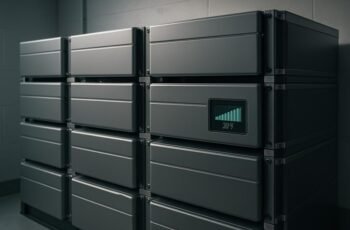
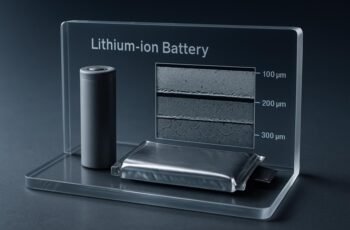
We take a methodical approach to solar lithium battery storage, starting with proactive planning and daily checks that keep systems safe and reliable. We’ll verify connections, torque, and logs, and use manufacturer-approved chargers while tracking SOC, SOH, and voltage against baselines. Temperature control, clean terminals, and secure cabling are non-negotiables, with seasonal recalibrations on the calendar. If something looks off, we follow a clear troubleshooting path and document every step—because the smallest detail can make the biggest difference.
Key Takeaways
- Establish a proactive maintenance plan: inspect connections, verify terminal torque, and log deviations to prevent faults.
- Conduct daily quick checks: surface cleanliness, secure connections, and document observations with follow-ups and completion times.
- Monitor charging health: use manufacturer-approved chargers, follow voltage profiles, and track SOC, SOH, and voltage against baselines.
- Implement temperature and cooling controls: keep ambient within specs, monitor temps during charge/discharge, and optimize airflow.
- Maintain records and seasonal planning: update maintenance calendar, recalibrate for seasonal extremes, and keep warranty/service documentation.
Why Solar Li Battery Storage Maintenance Matters
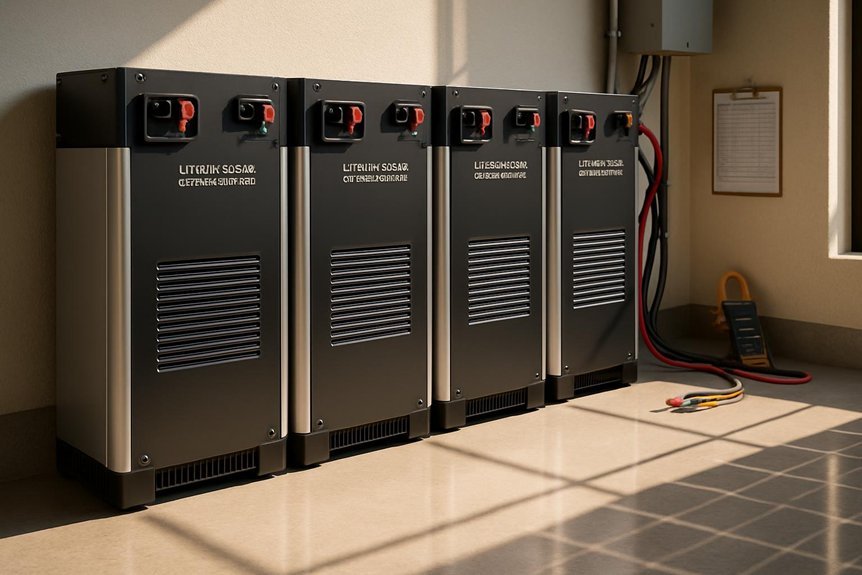
Solar Li battery storage maintenance matters because reliable energy storage hinges on consistent performance and safety. We approach this with a clear plan: we inspect connections, verify terminal torque, and log any deviations. Our method is proactive, addressing aging seals, insulation, and cooling paths before faults appear. Solar redundancy matters because a secondary pathway keeps critical loads powered during a single-component issue, which we implement through validated configurations and tested failovers. We also confirm warranty coverage, keeping records of installed components, dates, and service notes to preserve protection terms. Regular checks reduce degradation, optimize efficiency, and extend lifespan. By documenting trends, we anticipate maintenance windows, minimize downtime, and sustain safe operation. You gain reliability through disciplined, thorough care.
Daily Checks You Can Complete in Minutes

We’ll start with a quick Visual Inspection Routine, noting any cracks, corrosion, or signs of moisture. Next, a Battery Surface Check helps us confirm clean terminals and no residue, and we’ll finalize with a Connection Security Scan to ensure all leads are snug and protected. Together, these checks take minutes, set the day’s baseline, and prevent small issues from growing.
Visual Inspection Routine
Do a quick visual sweep each day to catch obvious issues before they escalate. We begin with a steady, deliberate approach to visual inspection, documenting any deviations from baseline photographs or noted tolerances. Each morning, we verify enclosure integrity, door seals, and vent clearances, then scan cables for signs of abrasion, corrosion, or loose connectors. We check labels, warning decals, and system indicators on the monitoring panel, noting any alarms or abnormal readings. We assess mounting hardware for vibration or looseness and ensure cooling fins remain unobstructed. We keep a concise log of observations, follow-up actions, and completion times as part of routine maintenance discipline. By staying observant and consistent, we reduce surprises and support long-term reliability of the solar lithium storage system.
Battery Surface Check
Have you ever wondered how quickly a daily surface check can catch looming battery issues before they escalate? We approach this with careful inspection of the pack exterior, noting any surface wear and dust accumulation that could indicate underlying problems. We keep movements deliberate, avoiding contact with terminals, and document any changes to guide our routine maintenance. Our goal is to detect minor imperfections early, so we can schedule proactive interventions rather than reactive repairs. By combining visual cues with consistent timing, we build a reliable breadcrumb trail for troubleshooting. If we spot unusual discoloration, swelling, or debris buildup, we flag it for further assessment.
- Surface wear indicators and their progression
- Dust accumulation patterns and cleaning steps
- Immediate actions to prevent escalating damage
Connection Security Scan
A daily Connection Security Scan is quick yet essential: we verify all fasteners, cables, and enclosure seals for tightness and integrity, then confirm no signs of wear or looseness that could lead to arcing or moisture ingress. We inspect enclosure gaskets, tighten suspected loose components, and log any adjustments. We test accessible disconnects for secure engagement and ensure cable routing remains clear of sharp edges and heat sources. We review data paths to confirm no frayed conductors or compromised insulation, and verify that cabinet doors seal properly after each check. We document findings, then implement corrective steps if needed. This routine reinforces connection security and protects data encryption integrity, reducing risk of faults and tampering while preserving system reliability.
Safe Temperature Ranges and Cooling Tips
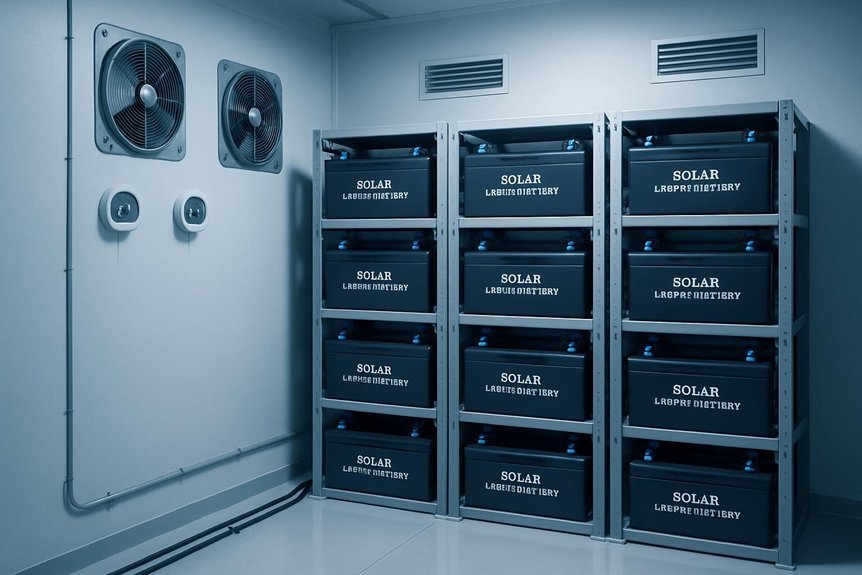
We’ll start by outlining the safe temperature range for our lithium battery storage and why maintaining it matters. We’ll share practical cooling steps you can apply, such as proper ventilation, avoiding direct sun, and using passive or active cooling as needed. We’ll explain how to monitor temperature, set thresholds, and act quickly if readings drift outside the optimum band.
Safe Temperature Range
Maintaining the right temperature is essential for solar lithium battery storage performance and longevity. We define our Safe Temperature Range based on manufacturer specs and real-world use, then verify it with regular checks. We stay within this band to minimize capacity loss and thermal stress, and we document any excursions for action. Our approach combines monitoring, environment control, and proactive planning, focusing on consistent conditions rather than reactionary fixes. By prioritizing Solar Temperature awareness and early warnings, we protect battery life and ensure dependable power delivery. We optimize airflow, avoid heat sources, and schedule usage to align with cooling cycles, keeping operations efficient and safe.
- Maintain ambient conditions within the recommended range to support Battery Cooling
- Track temperatures during charging and discharging to prevent excursions
- Use passive and active cooling strategies as needed to stabilize heat levels
Cooling Tips For Storage
Have you established a strict cooling protocol yet? We follows a precise approach to keep storage temperatures stable. First, we verify ambient conditions daily, aiming for a narrow range aligned with safe temperature guidelines. We position cooling fans to create uniform airflow across all modules, avoiding stagnant pockets near vents or connectors. Next, we inspect heat sinks for dust buildup and ensure contact with modules remains intact; we reapply thermal compound if needed and reseat blocks to maximize conduction. We monitor fan speeds and temperature sensors, adjusting thresholds to prevent thermal runaway without excessive power draw. We document any deviations and implement rapid corrective actions. Finally, we schedule routine maintenance checks, replacing any compromised components promptly to sustain reliable operation under load.
Charging Practices to Protect Capacity
Charging practices directly guard capacity, and we’ll start with a disciplined approach: keep charging to the manufacturer’s recommended voltages and use only approved chargers to avoid overvoltage stress on cells. We stay precise, monitoring limits, and prioritizing consistency over speed to protect long-term capacity retention and charging efficiency.
Charging to manufacturer voltages with approved chargers safeguards long-term capacity and efficiency.
- Follow rated charge voltages and profiles to minimize stress and keep chemistry stable
- Use certified, compatible chargers; avoid adapters or improvised cables
- Schedule regular, incremental top-offs rather than deep discharges, ensuring steady, efficient replenishment
Battery Health Indicators to Monitor (SOC, SOH, Voltage)
Monitoring battery health is essential for long-term reliability; by tracking state of charge (SOC), state of health (SOH), and voltage we can pinpoint aging trends early and intervene before performance declines. We’ll monitor monitoring indicators like SOC accuracy, SOH trends, and voltage consistency to guide decisions. Regular checks align with storage guidelines and help preserve capacity. In practice, we compare current readings to baseline metrics, flag deviations, and adjust usage or charging strategy accordingly. This approach sustains battery health, supports predictable performance metrics, and reduces risk of sudden failures. Table below summarizes key indicators and actions.
| Indicator | Condition | Action |
|---|---|---|
| SOC | Normal/low | Adjust usage; balance charging |
| SOH | Stable/declining | Plan replacement or rehab |
| Voltage | Within range/drift | VERIFY connections; recalibrate |
Cleaning, Corrosion Prevention, and Terminal Care
What steps can we take to keep connections clean and terminals secure for solar lithium storage? We approach cleaning, corrosion prevention, and terminal care with a disciplined routine. We establish cleaning schedules that fit our system’s exposure and ensure consistent checkups every 1–3 months. We inspect for loose lugs, oxidation, and water ingress, then wipe terminals with a dry microfiber, avoiding solvents near electronics. If corrosion signs appear, we gently remove discoloration and apply conductive gel or dielectric grease as appropriate for the connection type. We seal enclosures to deter moisture and temperature fluctuations, and test voltage after each session to confirm stability. Regular documentation reinforces accountability and reliability.
- Cleaning schedules ensure consistency and traceability
- Corrosion prevention hinges on proper protection and timely intervention
- Terminal care relies on secure fastening and post-maintenance verification
Seasonal Maintenance for Peak Performance
Seasonal maintenance is our proactive plan to keep solar lithium storage at peak performance year-round, adjusting our routines to reflect changing weather and usage patterns. We begin by reviewing seasonal load forecasts and solar installation angles, confirming that battery cooling and venting remain unobstructed in all conditions. Next, we recalibrate charging parameters for winter and summer extremes, documenting any deviations from baseline. We inspect insulation, seal gaps around housings, and verify that rooftop orientation remains optimal for sun exposure during critical hours. Regularly clean dust and debris from panels and vents, then test battery health indicators, capacity, and cycle counts. We schedule mid-season inspections and record performance trends, ensuring proactive maintenance aligns with safety guidelines and factory recommendations. Finally, we update the maintenance calendar for the next season.
Troubleshooting Common Issues and When to Call a Pro
When problems pop up, we tackle them methodically to keep your solar lithium storage reliable and safe. We’ll identify symptoms, verify connections, and rule out simple fixes before escalating. If issues persist, we discuss safe steps, documentation, and timing to call a pro. Our approach emphasizes Introduction to safety protocols, so you know what to shut down and how to isolate a fault without risk. We also consider warranty considerations, ensuring you preserve coverage while addressing faults promptly. Clear records help speed service and protect your investment. Trust our proactive process to minimize downtime and extend battery life.
- Symptom awareness and safe shutdown basics
- When to engage a professional and how warranty considerations apply
- Documentation and follow-up for reliable diagnostics
Frequently Asked Questions
Can Lithium Batteries Be Recycled After Solar Use, and How?
Yes, lithium batteries can be recycled after solar use. We follow recycling pathways, reclaiming metals and components, reducing environmental impact. We methodically sort, disassemble, and process cells, partnering with certified facilities to ensure safe, compliant, and efficient recovery.
Do Lithium Batteries Require Equalized Charging Like Lead Acid?
Do lithium batteries require equalized charging like lead acid? No, we don’t use equalization; we monitor cell balance and BMS protection instead, addressing the lead acid difference with careful voltage management and proactive, methodical maintenance. Can we proceed with checks?
How Do Temperature Swings Affect Long-Term Li Battery Life?
Temperature swings accelerate aging, so we see faster lifecycle aging in Li batteries; we monitor, isolate, and manage temps to minimize stress. We implement gradual charging, heat dissipation strategies, and cold-weather routines to sustain long-term performance.
What Backup Procedures Exist if the System Fails at Night?
We picture our grid as a quiet harbor; if the night fails, backup procedures kick in, keeping lights steady. We isolate the system at night time, monitor keystones, switch to reserve, and document every proactive action.
Are There Age-Related Degradation Patterns Unique to Solar Li Packs?
We see age-related degradation patterns in solar li packs, and yes, they differ from other chemistries. We’ll monitor cycles, temperature, and SOC to predict fades, implement proactive conditioning, and adjust usage to minimize gradual capacity loss.
Conclusion
We stay proactive with solar Li battery upkeep, following our structured checks, logs, and manufacturer guidelines to safeguard your system. By pairing daily quick looks with seasonal recalibrations, we catch deviations early and minimize risk. For example, imagine a homeowner noticing rising terminal resistance during a routine tap test; after tightening and logging the observation, a quick charger check shows SOC drift. Addressing it promptly prevents accelerated degradation and preserves capacity, reliability, and warranty coverage.