We want to understand lithium batteries safely, and we’ll share clear, practical steps you can take. We stay precise: use the right chargers, avoid damaged units, and store devices upright in a cool, ventilated space. We monitor for swelling, heat, or odors and pause use immediately if anything seems off. We’ll discuss how to respond to emergencies and how to choose safer technologies, because knowing the risks helps us prevent them—yet there’s more to contemplate as we go on.
Key Takeaways
- Lithium batteries are generally safe when using proper chemistry, quality manufacturing, and robust protection features to prevent overheating and short circuits.
- Watch for signs of safety issues: swelling, heat spikes, vents, or odors; pause use and inspect if observed.
- Use official chargers, follow manufacturer instructions, and avoid mixing damaged units with good ones.
- Store and transport batteries upright, cool, dry, and away from flammable materials, with terminals insulated.
- In a fire or thermal event, evacuate, call emergency services, and only use trained personnel and appropriate extinguishers if safe.
What Makes Lithium Batteries Safe: The Essentials You Need
What makes lithium batteries safe? We examine the essentials with a precise, methodical approach. We insist on safe chemistry: stable materials, proper electrolyte formulation, and controlled charge-discharge behavior to minimize heat and venting risks. We verify manufacturing quality: consistent cell construction, robust sealing, and rigorous quality checks that catch defects before they reach users. We train on protection features, including overcurrent and short-circuit safeguards, and we design with thermal management to prevent hot spots. We emphasize correct handling, storage, and charging protocols to maintain performance and reduce failure modes. We document test results and failure analyses to drive continuous improvement. By prioritizing safe chemistry and manufacturing quality, we create batteries that behave predictably under normal use and respond safely to anomalies.
Common Safety Risks With Lithium Batteries and How to Spot Them
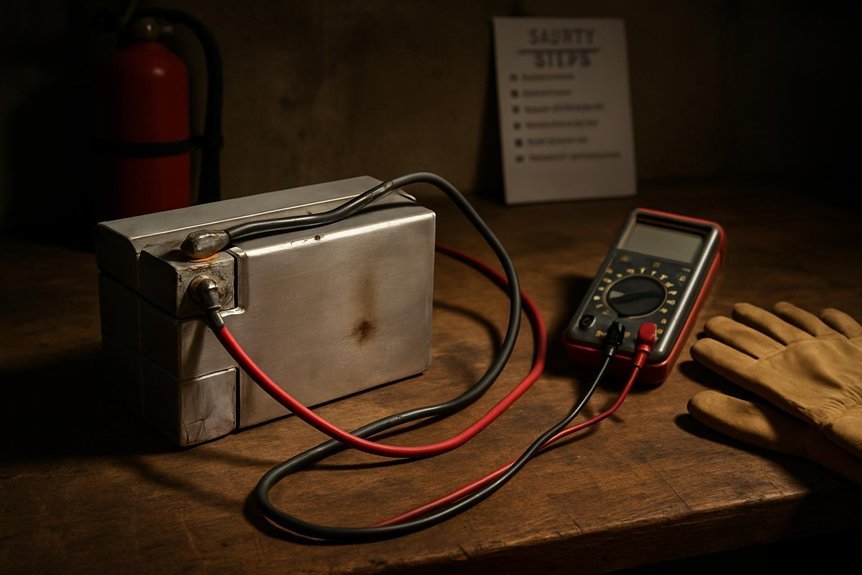
We’ll help you recognize key warning signs of thermal runaway, which include sudden swelling, heat, or smoking smells. We’ll also outline overcharge dangers and the precautions you should take, along with clear indicators of physical damage like cracks, bulges, or leaking. By spotting these indicators early, we can prevent incident and protect your devices and people.
Thermal Runaway Signs
Thermal runaway is a critical safety risk with lithium batteries, and spotting the warning signs early can prevent fires or explosions. We monitor for gradual temperature rise, unusual heat when charging or discharging, and unexpected swelling or deformation. We note sharp, localized warmth, creeping warmth across the surface, and any hissing, bubbling, or venting odors. Abnormal battery behavior—rapid disassembly of cell layers, smoke, or flame—needs immediate isolation and safe handling. We verify firmware alerts, abnormal voltage dips, and erratic charging currents as early thermal indicators. We document environmental stressors like high ambient temperatures or physical damage that can amplify risk. Our approach is procedural: pause use, remove power, cool safely, and inspect before reuse. Continuous awareness, routine checks, and disciplined handling minimize risk and protect people and property.
Overcharge Dangers Precautions
Are overcharge dangers a real, immediate risk we can mitigate with simple precautions? We believe yes, and we approach this with a calm, methodical plan. We start with proactive awareness: use qualified chargers, verify compatibility, and avoid undocumented adapters. We monitor charging duration and temperature, removing the device if heat climbs beyond a safe range. We emphasize features like overcharge protection circuitry and auto-shutoff, but we don’t rely on them alone; user vigilance matters. We recommend charging in a non-flammable, ventilated space and keeping batteries away from extreme heat or cold. We document and follow manufacturer guidance, never modifying or bypassing safeguards. If any abnormal swelling, heat spikes, or odor appears, we detach power and inspect for potential overcharge risks and charging hazards.
Physical Damage Indicators
- Deformed or swollen housing
- Cracks, splits, or shattered casings
- Heat buildup beyond normal operation
- Visible leakage or damp, corrosion-like residues
What Thermal Runaway Is and Why It Matters
Thermal runaway is a chain reaction where heat from internal faults triggers further heating, potentially leading to fire or venting. We’ll outline its causes, the safety implications and risks, and concrete prevention and mitigation steps. By understanding these elements, we can act proactively to reduce exposure and protect everyone involved.
Causes Of Thermal Runaway
Thermal runaway is a self-accelerating, dangerous chain reaction inside a battery cell that can lead to fire or explosion. We’re outlining its causes so you can prevent them, using precise, preventive language. We focus on identifiable triggers and the role of monitoring, not speculation.
- Internal defects or manufacturing flaws that create hotspots and abnormal currents
- Overcharging, high charge rates, or prolonged high temperatures that push cells beyond safe limits
- Mechanical damage or punctures that compromise the separator and cause short circuits
- Poor thermal management, leading to localized heating and cascading effects that lab testing and thermal indicators reveal
Safety Implications And Risks
Thermal runaway poses direct safety risks because it can escalate rapidly from a localized fault to a full-cell event and beyond. We face this risk with clear, evidence-based awareness: a single cell failure can propagate heat, venting, fire, and potentially structural damage. Understanding the chain helps us design safer use and handling practices. We track early indicators—rapid temperature rise, swollen cells, unusual smells—and act promptly to isolate affected units and prevent cascading effects. We debunk Safety myths that downplay severity; informed decisions rely on proper charging, storage, and isolation procedures. When discussions turn to Battery disposal, we emphasize responsible, compliant methods to prevent environmental harm and secondary hazards. Our goal is consistent, preventive reasoning that minimizes exposure and protects people, property, and performance.
Prevention And Mitigation Steps
So what exactly is thermal runaway, and why does it matter for safety and reliability? We’re focused on prevention and response, so we keep it precise and actionable. We’ll name the failure mode, outline its triggers, and define the consequences to inform our prevention strategies and mitigation techniques. Our approach is proactive, not reactive, and aims to minimize risk through clear steps.
- Identify hot zones and monitor temperatures routinely
- Segregate cells by chemistry, age, and state of charge
- Implement robust thermal management and fire suppression readiness
- Establish incident response and containment procedures for rapid mitigation
Safe Charging Practices for Everyday Use
What are the best practices for charging lithium batteries every day, and why do they matter? We approach charging with discipline and clarity, aiming to minimize risk while maximizing life. Always use equipment that matches the battery’s rated voltage and capacity, and avoid improvised power sources. Keep charging areas clean, dry, and ventilated, reducing heat buildup and potential fumes. Monitor temperature during charging; stop if indicators exceed safe thresholds. Use certified chargers with overcharge and short-circuit protection, and unplug when full. Maintain safe charging habits that extend lifespan and reliability, including avoiding frequent high-rate charging unless specified. Consider safe charging within home wiring limits, ensuring outlets aren’t overloaded. Store idle packs at recommended states of charge, away from heat sources, and never leave charging unattended for extended periods.
Handling, Storage, and Transport Guidelines for Li-Ion Batteries
We’ve covered safe charging practices, and now we turn to handling, storage, and transport guidelines for Li-ion batteries.
We approach this with clear steps to prevent incidents, following safety labeling and proper disposal in mind. Treat every battery as a potential hazard until proven safe, and minimize damage risk through careful handling, storage, and transport.
We treat every battery as a potential hazard, prioritizing safe handling, storage, and transport to minimize damage.
1) Handle with dry hands, avoid impacts, and keep terminals insulated when not in use.
2) Store upright, in a cool, dry, ventilated area away from heat sources, metal objects, and flammable materials.
3) Transport in a protective container, with terminals covered and batteries separated by type and state.
4) Follow disposal guidelines, label新品 as needed, and never mix damaged units with good ones. Battery disposal precautions apply.
Inspecting and Maintaining Battery Health at Home and on the Go
Regular checks help prevent surprises, so we’ll assess batteries you use at home and on the go by focusing on visible condition, performance cues, and safety features. We inspect casing for cracks, swelling, or corrosion, test endurance under typical loads, and confirm protective circuits function properly. If symptoms arise, we pause use and consult guidance. Maintain cleanliness, avoid moisture exposure, and store at recommended temperatures. Replace damaged units promptly and opt for official chargers with correct amperage. For handling, transport, and at‑home use, follow manufacturer instructions and document dates for safe disposal and battery recycling. Table summarizes key checks and actions.
| Visible condition | Performance cues | Safety features |
|---|---|---|
| Crack/swelling/corrosion | Run-time drop in capacity | Protection circuits functioning |
Fire and Emergency Response: What to Do If a Battery Is Compromised
Is a compromised battery a fire risk that you can manage calmly and effectively? Yes, and we’ll outline a clear, methodical approach for fire response and emergency response. We act as your guide to minimize harm, containing risk, and notifying authorities when needed.
1) Evacuate nearby occupants and move to fresh air, keeping doors closed to limit smoke exposure.
2) If safe, disconnect power and remove flammable items, then use a Class D or multipurpose extinguisher only if trained.
3) Call emergency services immediately and report the incident with location and battery type.
4) After containment, ventilate the area, monitor for re-ignition, and document conditions for responders and follow-up checks.
Choosing Safer Battery Technologies and Products for Daily Life
Are you choosing safer battery technologies and products for daily life by focusing on reliability, safety certifications, and realistic usage? We aim for selections that endure typical conditions, avoid overstatement, and minimize risk. We compare core chemistries for everyday devices, favoring proven safety records, robust thermal management, and verified failure data. We prioritize products with independent testing, clear safety documentation, and predictable performance under normal use. Our approach emphasizes transparent consumer labeling, so you can interpret capacity, cycle life, and warranty with confidence. Safe packaging matters too, reducing damage during transport and storage. We scrutinize charging recommendations and storage guidelines to prevent misuse. By aligning choices with strict standards and practical care, we reduce hazard exposure and promote dependable, long-lasting utility.
Frequently Asked Questions
How Do I Tell if a Battery Is Fake or Counterfeit?
We can spot fake lithium indicators by checking packaging, labels, and serials, and we follow counterfeit detection tips before purchase. We verify unknown brand verification, test performance cautiously, and avoid rushed replacements, safeguarding devices and users from unsafe batteries.
Do Lithium Batteries Lose Capacity Over Time With Usage?
We do lose capacity over time with use, showing battery aging and cycle wear. We’ll inspect for internal damage signs, counterfeit detection flags, and chemistry safety concerns, and plan home recycling to minimize risks.
Can I Recycle Lithium Batteries at Home?
We can’t recycle lithium batteries at home; proper recycling requires certified facilities. We’ll follow at home disposal guidelines by storing safely, preventing damage, and taking batteries to authorized drop-offs promptly, ensuring safe, compliant recycling and environmental protection.
What Are Common Signs of Hidden Internal Damage?
Hidden damage can lurk in lithium batteries; look for warning signs like unusual warmth, swelling, rapid voltage drop, strange odors, or leakage. We carefully inspect, report concerns promptly, and prevent incidents with methodical, preventive handling and timing checks.
Are All Lithium Chemistries Equally Safe?
Yes, not all are equally safe. We compare chemistries carefully, prioritizing safeguards and reliability; we assess safety comparisons rigorously, noting that lithium variants differ in thermal stability and fault tolerance. We guide you toward safer, well-managed choices.
Conclusion
We understand the stakes, and we’re not exaggerating when we say safety isn’t optional—it’s our daily shield. By sticking to proven chemistries, using official chargers, and handling, storing, and inspecting with discipline, we turn a potential hazard into a routine no-brainer. If anything seems off, we pause, assess, and act. With a calm, methodical plan and clear emergency steps, we keep our devices—and our lives—secure, every day. Let’s stay vigilant and prepared.