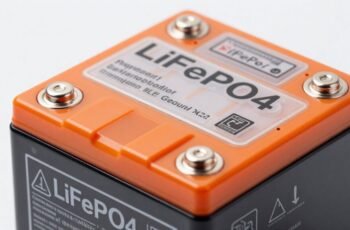
Although no lithium battery is risk-free, we consider lithium iron phosphate (LFP) the safest mainstream chemistry for home energy storage. Its phosphate-based cathode resists oxygen release and thermal runaway better than nickel-manganese-cobalt (NMC) cells, reducing the likelihood of fire during overheating or physical abuse. LFP also avoids cobalt and typically offers long cycle life. Still, chemistry alone cannot prevent hazards; system design, certification, installation, and maintenance matter—and the most important safeguards often sit outside the cells themselves.
Key Takeaways
- Lithium iron phosphate (LFP) is generally considered the safest lithium battery chemistry for home energy storage.
- LFP’s strong phosphate bonds release less oxygen during overheating, reducing combustion and thermal runaway risks.
- LFP tolerates higher temperatures and typically offers longer cycle life than nickel-manganese-cobalt (NMC) batteries.
- NMC batteries are more compact but require stricter thermal management because they are more sensitive to heat and overcharging.
- Regardless of chemistry, safety depends on certified equipment, professional installation, proper ventilation, monitoring, and maintenance.
Why LFP Is the Safest Lithium Chemistry
LFP (lithium iron phosphate) is generally considered the safest lithium-ion chemistry for home energy storage because its cathode is thermally and chemically more stable than those used in nickel- or cobalt-rich cells. For homeowners, that stability reduces the consequences of abuse, manufacturing defects, and aging, although it doesn’t eliminate risk. LFP cells also avoid cobalt and use comparatively abundant materials, which can support more consistent supply and reduce concerns associated with cobalt sourcing. Their lower energy density may require a larger, heavier battery for the same capacity, so we should evaluate installation space, structural loads, and ventilation requirements. Safety still depends on certified equipment, accurate battery-management controls, appropriate fusing, and professional installation. We should choose products tested to applicable standards, follow manufacturer limits, and maintain clearances from combustible materials.
How LFP Prevents Thermal Runaway
That stability limits the conditions that can trigger thermal runaway, a self-heating reaction in which a cell’s temperature rises faster than it can release heat. LFP’s phosphate-based cathode has strong chemical bonds, so it releases less oxygen when overheated than oxygen-rich layered oxides. With less oxygen available to feed combustion, internal reactions generally progress more slowly and produce less heat. LFP also tolerates higher temperatures before its cathode becomes highly reactive, giving protective controls more time to disconnect charging or loads. We still can’t treat this chemistry as fireproof: internal shorts, physical damage, manufacturing defects, overcharging, or external heat can overwhelm safeguards. Proper cell balancing, current limiting, temperature sensing, spacing, and certified battery-management systems remain essential. We should install packs according to manufacturer instructions and keep them away from ignition sources.
LFP vs. NMC for Home Energy Storage
When we compare LFP with NMC for home energy storage, we’re weighing safety, usable capacity, performance, cost, and service life rather than choosing a universally superior chemistry. For most stationary systems, LFP’s longer cycle life and stronger thermal stability reduce long-term risk and replacement frequency. NMC generally delivers higher energy density, so it can fit limited spaces, but it typically demands tighter thermal and charge management.
| Factor | Home-storage implication |
|---|---|
| LFP | Lower energy density; longer life and greater abuse tolerance |
| NMC | Smaller, lighter packs; higher sensitivity to heat and overcharge |
We should compare complete systems, not cells alone: warranties, tested operating limits, monitoring, installation, and enclosure design materially affect outcomes. NMC may suit space-constrained installations, while LFP often offers the more conservative risk profile. Neither chemistry eliminates hazards, and manufacturer data should determine usable capacity, temperature limits, and expected degradation. We’ll prioritize independently tested equipment and professional installation.
What Makes a Lithium Battery Safe at Home?
Chemistry influences home-battery risk, but safe operation depends on the complete system and its controls. We should look for a battery-management system (BMS) that monitors cell voltage, temperature, current, and state of charge. It must prevent overcharging, excessive discharge, overheating, and unsafe charging when cells fall outside defined limits. Properly matched chargers, inverters, fuses, disconnects, and wiring provide additional protection against faults and short circuits. Enclosures should resist heat, limit access, and prevent moisture or dust from reaching electrical components. Installation matters, too: we need adequate clearance, ventilation where specified, stable mounting, and compliance with local electrical and fire codes. Independent testing and recognized certifications offer useful evidence that the complete product—not merely its cells—meets applicable safety requirements. We should also follow manufacturer instructions, inspect damage, and maintain clear emergency access.
Choose the Right LFP Battery for Your Home
For home energy storage, we should choose an LFP battery by matching its usable capacity, continuous power rating, voltage, and installation environment to our loads and electrical system. First, we should calculate daily energy demand, then add an appropriate reserve without assuming the nameplate capacity is fully usable. We should compare continuous and surge ratings against refrigerators, pumps, heat pumps, and other motor-driven loads. The battery’s nominal voltage must match the inverter’s specified range; incompatibility can cause shutdowns or hazardous operating conditions. We should select a model with a documented battery-management system, cell-balancing functions, temperature protections, and independently verified safety testing. Certifications, warranty limits, cycle-life data, and replacement support matter because optimistic specifications can obscure risk. Finally, we should confirm the battery is explicitly approved for residential stationary storage and our climate.
Install and Maintain Lithium Batteries Safely
We’ll place lithium batteries in a dry, ventilated area away from heat, ignition sources, and combustible materials. We’ll follow the manufacturer’s installation requirements, including correct wiring, protection devices, clearances, and torque specifications. We’ll also inspect connections, temperature, swelling, and performance regularly so we can identify hazards before they cause failure.
Choose a Safe Location
Before installing a lithium battery, we’ll choose a dry, well-ventilated location away from heat sources, direct sunlight, combustible materials, and areas vulnerable to flooding or physical impact. Adequate airflow helps dissipate heat and limits accumulation of gases if cells vent. We’ll keep the battery outside bedrooms, living areas, exit routes, and enclosed cabinets unless the equipment is specifically designed and listed for that environment. A stable, noncombustible surface reduces tipping and limits fire spread. We’ll maintain clear space around the enclosure so heat can escape and responders can reach it quickly. The location should remain accessible for inspection without exposing anyone to routine contact, moisture, or corrosive chemicals. We’ll also consider local temperature extremes: excessive heat accelerates degradation, while freezing conditions can impair performance and damage cells during charging.
Follow Installation Guidelines
Once we’ve selected a suitable location, we’ll install the lithium battery exactly as specified by the manufacturer and applicable electrical codes. We won’t improvise clearances, mounting methods, cable sizes, or protective devices; deviations can increase overheating, short-circuit, shock, and fire risks.
- We’ll secure the enclosure to a load-bearing surface, keeping ventilation paths unobstructed and ignition sources outside required separation distances.
- We’ll use listed connectors, correctly sized conductors, overcurrent protection, and torque values specified in the installation manual.
- We’ll verify polarity, grounding, disconnect access, and system compatibility before energizing the battery.
A qualified electrician should complete utility-connected or high-voltage work. We’ll preserve labels, wiring diagrams, and emergency-shutdown instructions so responders can identify hazards quickly. We’ll also obtain required permits and inspections, because code compliance provides documented safeguards against installation errors.
Perform Regular Maintenance
Regular maintenance helps us detect heat, swelling, corrosion, loose connections, and abnormal performance before they escalate into equipment damage or fire. We should inspect batteries, enclosures, cables, terminals, and ventilation areas according to the manufacturer’s schedule. We’ll record inspection dates, voltage readings, temperatures, alarms, and capacity changes so we can identify trends rather than isolated symptoms.
We shouldn’t open sealed battery modules, bypass protection circuits, or repair damaged cells ourselves. Instead, we’ll isolate equipment that shows smoke, leaking electrolyte, severe swelling, unusual odor, repeated alarms, or rapid temperature rise, then contact a qualified technician or emergency services when necessary. We’ll keep vents unobstructed, remove dust without introducing moisture, and verify that monitoring systems and disconnects operate correctly. Following documented procedures preserves battery performance and reduces thermal-runaway risk.
Frequently Asked Questions
How Long Does an LFP Battery Typically Last in Home Applications?
An LFP battery typically lasts 10–15 years in home applications, or 3,000–6,000 full cycles. We’ll extend service life by avoiding heat, deep discharges, prolonged full charge, and inadequate monitoring or ventilation.
Can LFP Batteries Be Recycled After Reaching the End of Their Service Life?
Yes, LFP batteries can be recycled after service. As the saying goes, waste not, want not: we should use specialized recyclers to recover metals safely, prevent fires, and comply with local hazardous-waste regulations.
What Does an LFP Battery Cost Compared With Other Home Energy Storage Options?
LFP batteries generally cost more upfront than lead-acid systems but less than nickel-based lithium options. We’ll find their longer cycle life, lower degradation, and safety benefits often reduce total ownership costs.
Can LFP Batteries Power a Home During a Prolonged Grid Outage?
We can power your home through prolonged outages with LFP batteries, provided capacity, solar input, and generators match demand. Their roughly 3,000–6,000-cycle lifespan supports years of daily use, but weather, maintenance, and reserves remain critical.
Are LFP Batteries Suitable for Off-Grid Homes and Solar-Only Systems?
Yes, we can use LFP batteries in off-grid homes and solar-only systems. Their long cycle life, thermal stability, and high efficiency suit daily cycling, but we must size storage, inverters, charging, and backup capacity carefully.
Conclusion
For home energy storage, we consider lithium iron phosphate (LFP) the safest lithium chemistry because its phosphate-based cathode resists oxygen release, combustion, and thermal runaway better than NMC. That advantage doesn’t eliminate risk: correct sizing, certified equipment, ventilation, clearances, battery-management systems, and professional installation remain essential. Think of LFP as a stronger safety net, not a guarantee. We should follow manufacturer instructions, inspect systems regularly, and replace damaged batteries promptly to keep household energy storage within safe operating limits.