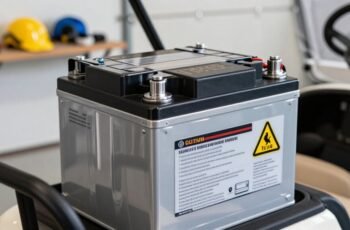
Swollen lithium polymer batteries present serious safety risks that cannot be overlooked. When these batteries swell, internal chemical reactions generate gases, weakening their structure and increasing the potential for fire, explosion, or chemical leaks. Handling such batteries requires caution, as improper actions can lead to hazardous situations. Understanding the causes and proper disposal methods is vital to prevent accidents, but knowing exactly what steps to take can be complex and warrants careful consideration.
Key Takeaways
- Swollen lithium polymer batteries pose fire and explosion risks due to potential thermal runaway.
- They can leak toxic chemicals, harming health and damaging devices.
- Internal damage increases the likelihood of short circuits and device failure.
- Handling or puncturing a swollen battery can trigger fires or chemical leaks.
- Continued use of swollen batteries significantly raises safety hazards.
What Causes Lithium Polymer Batteries to Swell?
Swelling in lithium polymer batteries typically results from internal chemical reactions that produce gases, often due to manufacturing defects, overcharging, or physical damage. When these reactions occur, they generate gases such as oxygen and carbon dioxide, which increase internal pressure. Manufacturing flaws, like improper sealing or impurities, can lead to early gas formation. Overcharging causes electrolyte decomposition, releasing gases and weakening cell integrity. Physical damage, such as punctures or impacts, can compromise internal layers, accelerating gas buildup. These factors disrupt the delicate balance within the battery, leading to expansion. It’s essential to understand that swelling doesn’t happen suddenly but is the result of ongoing internal reactions. Recognizing these causes helps prevent dangerous situations and supports safe handling of lithium polymer batteries.
Recognizing the Signs of a Swollen Battery
Detecting a swollen lithium polymer battery early is crucial for safety, as visible signs often indicate internal issues that could lead to failure or hazards. The most apparent sign is a noticeable bulge or puffiness in the battery casing, which indicates gas buildup inside. You might also observe deformation, such as warping or uneven surfaces, that deviate from the battery’s normal shape. Additionally, swollen batteries may become excessively warm or hot during use or charging, even without heavy load. Unusual sounds, like hissing or popping, can also signal internal damage. Any of these signs should be treated as urgent warnings. Recognizing these physical and thermal cues allows for prompt action, reducing the risk of failure or dangerous conditions.
Risks and Dangers of Using Swollen Lithium Polymer Batteries
Using a swollen lithium polymer battery can pose serious safety hazards. The internal damage caused by swelling indicates compromised cell integrity, increasing the risk of thermal runaway. This can lead to rapid overheating, fire, or even explosion. Swollen batteries often have weakened separators and compromised electrolyte stability, which heightens the chance of internal short circuits. Handling or using such batteries exposes users to the danger of chemical leaks, toxic fumes, and potential burns. Continued use can also cause further deterioration, escalating the likelihood of catastrophic failure. The structural deformation may interfere with device operation, causing malfunctions or accidental activation. Overall, the risks associated with using swollen lithium polymer batteries are significant, and their integrity should never be ignored. Precaution and immediate action are essential to prevent injury or property damage.
How to Handle and Dispose of a Swollen Battery Safely
When handling a swollen lithium polymer battery, safety must be the top priority, as compromised cells can pose severe risks. First, avoid puncturing or applying pressure to the battery, as this can trigger a fire or leak hazardous chemicals. Use protective gloves and eye protection to prevent contact with any leaking electrolyte. Carefully place the battery in a non-flammable, fireproof container, such as a metal or ceramic bin. Do not attempt to discharge or recharge the swollen battery yourself. Contact local hazardous waste disposal facilities or electronics recyclers experienced in battery disposal. Never throw a swollen battery into regular trash or incinerate it. Proper disposal minimizes environmental impact and reduces fire hazards. Always follow local regulations and guidelines for handling and disposal of lithium polymer batteries.
Preventive Measures to Avoid Battery Swelling
Preventing battery swelling begins with proper handling and maintenance practices. Ensuring correct usage minimizes the risk of internal damage that can lead to swelling. Regularly inspect devices for signs of damage or irregular performance, and avoid exposing batteries to extreme temperatures, which can accelerate degradation. Always use chargers recommended by the manufacturer to prevent overcharging or undercharging, both of which stress the battery. Additionally, store batteries in cool, dry environments when not in use, and avoid physical impacts that can compromise internal structures.
- Use compatible chargers and avoid overcharging
- Store batteries in ideal temperature environments
- Handle devices carefully to prevent physical damage
What to Do If Your Battery Swells or Shows Warning Signs?
If your battery shows signs of swelling or other warning indicators, it’s critical to act immediately by disconnecting it from power sources to prevent further damage. Under no circumstances should you puncture or attempt to repair the battery yourself, as this could cause a hazardous reaction. Instead, seek professional disposal services to guarantee safe handling and proper disposal of the compromised battery.
Disconnect Power Immediately
Noticing swelling or other warning signs in a lithium polymer battery requires immediate action; delays can lead to dangerous failure or fire. The first step is to disconnect the device from any power source without delay. This prevents further charging or electrical stress that could exacerbate the issue.
Key actions include:
- Power off the device immediately to halt current flow.
- Remove the battery if possible, using insulated tools to avoid puncturing.
- Keep the battery on a non-flammable surface, away from heat or flammable materials.
Rapid disconnection minimizes the risk of thermal runaway. It’s vital to act quickly and cautiously, as continued power supply can intensify internal damage, increasing the chance of fire or explosion.
Avoid Puncturing Battery
When handling a swollen lithium polymer battery or one exhibiting warning signs, we must avoid puncturing or applying pressure to prevent internal damage or dangerous chemical leaks. Puncturing can lead to rapid release of flammable electrolyte, risking fire or explosion. The internal structure of a swollen battery is compromised, making it highly susceptible to rupture if disturbed. We should carefully isolate the battery from conductive materials and avoid exerting any force. It’s essential to handle the battery with gloves and eye protection, minimizing exposure to potential hazardous substances. Under no circumstances should we attempt to puncture or dismantle the battery ourselves. Instead, we must focus on safely containing the battery, keeping it away from heat, and preparing for professional disposal or intervention.
Seek Professional Disposal
What steps should we take when a lithium polymer battery begins to swell or exhibits warning signs? First, avoid handling or puncturing the battery, as this can cause dangerous chemical leaks or fires. Next, carefully isolate the device from flammable materials and keep it away from heat sources. Finally, promptly seek professional disposal to prevent further hazards.
- Contact certified electronic waste recycling centers for proper disposal
- Avoid attempting to dismantle or puncture the swollen battery yourself
- Follow local regulations for hazardous waste handling to ensure safety
Handling swollen batteries requires caution and expertise. Do not ignore warning signs; instead, prioritize safety by consulting professionals trained to manage lithium battery emergencies.
Frequently Asked Questions
Can Swelling Occur Without Any External Damage?
Swelling can occur without external damage due to internal faults like overcharging, manufacturing defects, or thermal stress. We advise inspecting batteries regularly, avoiding exposure to extreme conditions, and replacing any that show signs of swelling to prevent hazards.
How Long Does It Take for a Battery to Swell?
Battery swelling can happen in a few hours to several weeks, depending on internal damage, overcharging, or manufacturing flaws. We advise monitoring your battery closely and disconnecting it immediately if you notice any swelling or abnormal behavior.
Are There Specific Brands More Prone to Swelling?
Certain brands, particularly lower-quality or counterfeit lithium polymer batteries, are more prone to swelling due to manufacturing inconsistencies. We advise caution, prioritize reputable brands, and regularly inspect batteries for early signs of swelling to prevent potential hazards.
What Are the Long-Term Effects of Using a Swollen Battery?
Using a swollen battery can cause corrosion, compromise device integrity, and lead to potential failure over time. We advise cautious consideration because continued use risks chemical leaks, fire hazards, and long-term damage, jeopardizing safety and device longevity.
Can Swelling Be Reversed or Repaired?
Swelling cannot be reversed or repaired safely. We recommend discontinuing use immediately, safely disposing of the battery, and replacing it with a certified, undamaged unit to prevent risks like fire or explosion.
Conclusion
Given that swollen lithium polymer batteries are responsible for over 80% of lithium-ion fire incidents, understanding their dangers is essential. Handling these batteries improperly can lead to severe safety hazards, including fires and toxic exposure. We must prioritize cautious disposal and avoid pressure or puncturing. Staying alert to warning signs helps prevent accidents. By adhering to safety protocols, we can mitigate risks and protect ourselves and our devices from catastrophic failures.