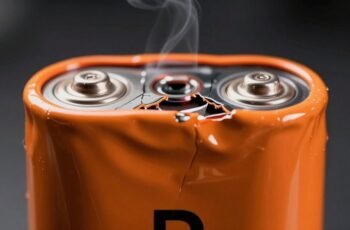
Many people overlook that improper handling of lithium polymer batteries can lead to thermal runaway, a hazardous condition that can cause fires or explosions. Understanding the precise safety measures needed is crucial to prevent such risks, yet many assume standard precautions are enough. We’ll explore critical practices to guarantee safe operation, storage, and disposal, which are indispensable for avoiding accidents and maintaining device integrity—details that might surprise you and are worth considering carefully.
Key Takeaways
- Always use a compatible charger with correct voltage and current limits, and avoid overcharging above 4.20V per cell.
- Store batteries in a cool, dry place at 50-70% charge and in fire-resistant containers.
- Inspect batteries regularly for swelling, discoloration, or leaks; discard damaged units immediately.
- Handle batteries carefully to prevent punctures, crushing, or exposure to sharp objects.
- Monitor batteries during charging and discharging to prevent overheating and thermal runaway.
How Lithium Polymer Batteries Work and Why Safety Matters
Although lithium polymer batteries are widely used for their high energy density and lightweight design, understanding their internal operation is essential for safety. These batteries consist of a polymer electrolyte sandwiched between an anode and cathode, enabling ion flow during charge and discharge cycles. The electrochemical reactions facilitate energy transfer, with lithium ions moving through the separator. Proper management of this process is critical because excessive heat or physical damage can compromise the separator, leading to internal short circuits. Such failures may result in thermal runaway, fires, or explosions. Hence, understanding the internal chemistry and structure helps us recognize the importance of safe handling, correct charging practices, and avoiding physical stress, all of which are indispensable to prevent hazardous failures and guarantee reliable operation.
Recognizing Signs of Battery Damage or Malfunction
Identifying early signs of battery damage or malfunction is essential for preventing potential safety hazards. Visible deformation, such as swelling or bulging, indicates internal gas buildup, compromising structural integrity. Discoloration, especially blackening or burn marks, suggests thermal runaway or overheating. Unusual smells, like a chemical or burnt odor, can signal internal damage or leakage. Reduced performance, such as diminished capacity or frequent unexpected shutdowns, often reflects internal cell degradation. Excessive heat during operation is another critical indicator; if the battery becomes noticeably warm or hot, it may be malfunctioning. Puffed or swollen cells should be handled with caution and replaced immediately. Recognizing these signs early helps prevent catastrophic failures, fires, or explosions, emphasizing the importance of regular visual inspections and prompt action upon detecting any abnormalities.
Best Practices for Charging and Discharging Lithium Polymer Batteries
Proper charging and discharging practices are essential to maintaining the safety and longevity of lithium polymer batteries. We recommend using a charger specifically designed for LiPo batteries, with appropriate voltage and current limits. Always monitor charging parameters closely; avoid exceeding the recommended charge voltage, typically 4.20V per cell, to prevent overcharging. Discharging should be controlled, maintaining a cutoff voltage around 3.0V per cell to prevent over-discharge, which can cause capacity loss and internal damage. Use a balancer during charging to ensure cell voltage uniformity and avoid imbalances that compromise safety. Avoid rapid charging or discharging beyond manufacturer specifications, as this increases thermal stress and risk of failure. Consistent adherence to these guidelines guarantees peak performance and reduces safety hazards.
Safe Storage and Handling Tips for Lithium Polymer Batteries
To guarantee lithium polymer batteries remain safe and functional, proper storage and handling are critical. Store batteries in a cool, dry environment with temperatures between 20°C and 25°C, avoiding extreme heat or cold that can degrade cell chemistry. Keep batteries at approximately 50-70% charge during long-term storage to minimize capacity loss and prevent over-discharge. Use fire-resistant containers for storage and avoid stacking batteries directly on each other to prevent physical damage. Handle batteries with care, avoiding punctures, crushing, or exposure to sharp objects. Always inspect batteries before use; discard any with swelling, corrosion, or visible damage. Adhere to manufacturer guidelines for storage duration and conditions to mitigate risks of thermal runaway or chemical leaks. Proper handling preserves battery integrity and safety.
Troubleshooting Common Lithium Polymer Battery Safety Issues
When lithium polymer batteries exhibit abnormal behavior or signs of damage, prompt and accurate troubleshooting is essential to prevent safety hazards. First, inspect for swelling or deformation; these indicate internal failure and require immediate disconnecting and disposal. Second, check for overheating during operation—excessive heat suggests internal short circuits or overcurrent issues. Third, observe any swelling or leakage of electrolyte, which signals compromised cell integrity. Fourth, monitor voltage levels; uneven or unexpectedly low voltages point to cell imbalance or internal damage. Address issues by isolating affected cells, avoiding further use until proper evaluation. Always use appropriate protective equipment and follow manufacturer guidelines. Proper troubleshooting minimizes risks, ensuring safe operation and longevity of lithium polymer batteries.
Frequently Asked Questions
How Often Should I Inspect My Lithium Polymer Battery for Safety?
We recommend inspecting your lithium polymer battery weekly for signs of swelling, leaks, or damage. Regular visual checks and cautious handling can prevent potential hazards, ensuring safe operation and prolonging battery lifespan effectively.
Can I Use Third-Party Chargers Safely With Lithium Polymer Batteries?
We advise against using third-party chargers with lithium polymer batteries unless they meet manufacturer specifications, have proper voltage and current ratings, and include safety features. Always verify compatibility to prevent damage, overheating, or potential safety hazards.
What Materials Are Best for Repairing Damaged Lithium Polymer Batteries?
We recommend using specialized lithium-ion repair kits with lithium-ion compatible materials like conductive adhesive, insulating tape, and electrolyte. Like a skilled mechanic, precise, compatible parts guarantee safe, reliable repairs, preventing further damage or safety hazards.
Are There Specific Environmental Conditions That Increase Safety Risks?
Extreme temperatures, high humidity, and exposure to direct sunlight considerably increase safety risks for lithium polymer batteries. We recommend operating within manufacturer-specified conditions, avoiding moisture, and storing batteries in temperature-controlled environments to prevent thermal runaway and degradation.
How Do I Dispose of Lithium Polymer Batteries Safely?
We carefully dispose of lithium polymer batteries by recycling through authorized facilities, avoiding landfill dumping, and following local hazardous waste regulations. This guarantees environmental safety and prevents fire hazards from improper disposal methods.
Conclusion
In summary, prioritizing safety with lithium polymer batteries isn’t just about avoiding accidents; it’s about ensuring reliability and longevity. For example, neglecting proper storage led to a fire in a hobbyist’s workshop, highlighting the importance of safe handling and monitoring. By following recommended practices—using appropriate chargers, inspecting batteries regularly, and handling them carefully—we can prevent hazards and extend battery life. Safety measures are essential for both personal and environmental protection.